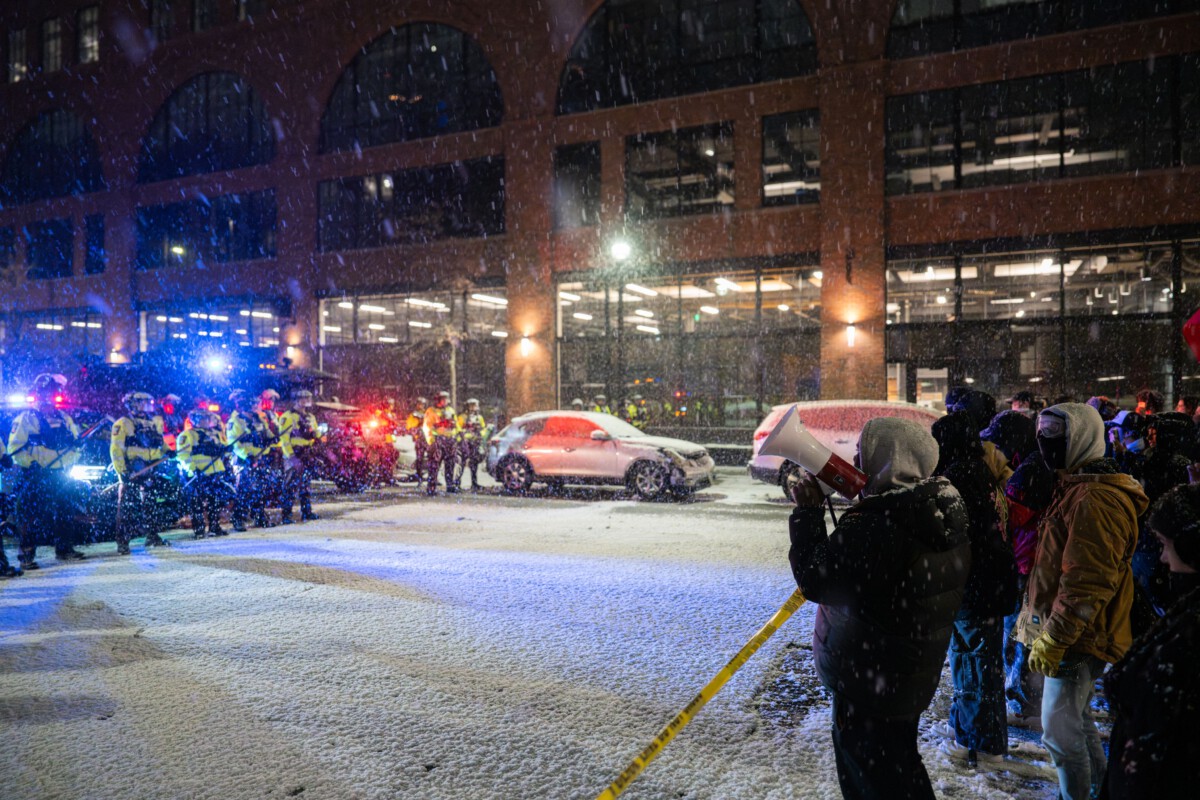


Deadly Clashes Spark Nationwide Scrutiny (Image Credits: Upload.wikimedia.org)
Minneapolis – Vice President JD Vance arrived in the city to address escalating conflicts surrounding federal immigration enforcement efforts.
Deadly Clashes Spark Nationwide Scrutiny
A recent shooting involving ICE agents heightened fears across the Twin Cities, drawing sharp criticism and protests. Demonstrators clashed with federal personnel, leading to arrests, including three individuals who disrupted a church service. Vance acknowledged imperfections in law enforcement responses during his visit but pointed to deeper issues fueling the disorder.
The operations targeted undocumented immigrants, with one high-profile case involving the detention of a 5-year-old boy. Local residents and advocates decried the tactics as overly aggressive, while federal officials maintained they followed protocol. This incident amplified calls for de-escalation from both sides.
Vance Lays Blame on Local Resistance
Vance directly criticized state and city leaders for failing to support ICE, arguing their lack of cooperation prolonged the unrest. He described “far-left agitators” as primary instigators, urging officials to “meet these guys halfway.” During a press conference with ICE agents, he emphasized that simple collaboration could restore calm.
“All we need is a little cooperation,” Vance stated, aiming to lower the overall temperature. He rejected immediate military involvement, noting no troops were required “right now.” His remarks contrasted with ongoing demonstrations, where protesters demanded an end to the crackdowns.
Key Demands from the Vice President
Vance outlined specific steps for Minneapolis authorities during his speech. His visit underscored the Trump administration’s commitment to immigration enforcement despite local pushback.
- Encourage police to assist federal agents in operations.
- Crack down on protest disruptions, such as church interruptions.
- Abandon policies that shield undocumented individuals.
- Publicly affirm support for national security priorities.
- Work jointly to prevent further violence.
Reactions from City Hall and Beyond
Minneapolis Mayor Jacob Frey responded to Vance’s critique, defending the city’s approach to public safety. Frey highlighted efforts to balance resident concerns with federal mandates. State officials echoed similar sentiments, citing humanitarian worries over family separations.
Lawyers representing detainees reported harsh conditions, fueling legal challenges. Advocacy groups organized rallies, while some community leaders called for dialogue. Vance’s presence, however, signaled Washington’s resolve to press forward.
Path Forward Amid Division
The Minneapolis episode reflects broader national debates on immigration policy. Federal persistence meets entrenched local opposition, risking prolonged standoffs. Vance’s trip highlighted potential for resolution through partnership, though skepticism persists.
Cooperation could avert escalation, including threats of invoking the Insurrection Act. Yet divisions run deep, with each side entrenched in its narrative.
Key Takeaways
- Vance blamed local non-cooperation for ongoing chaos.
- No immediate plans for military deployment.
- Focus remains on collaborative de-escalation.
Minneapolis stands at a crossroads: unity or continued friction. What steps should local leaders take next? Share your thoughts in the comments.