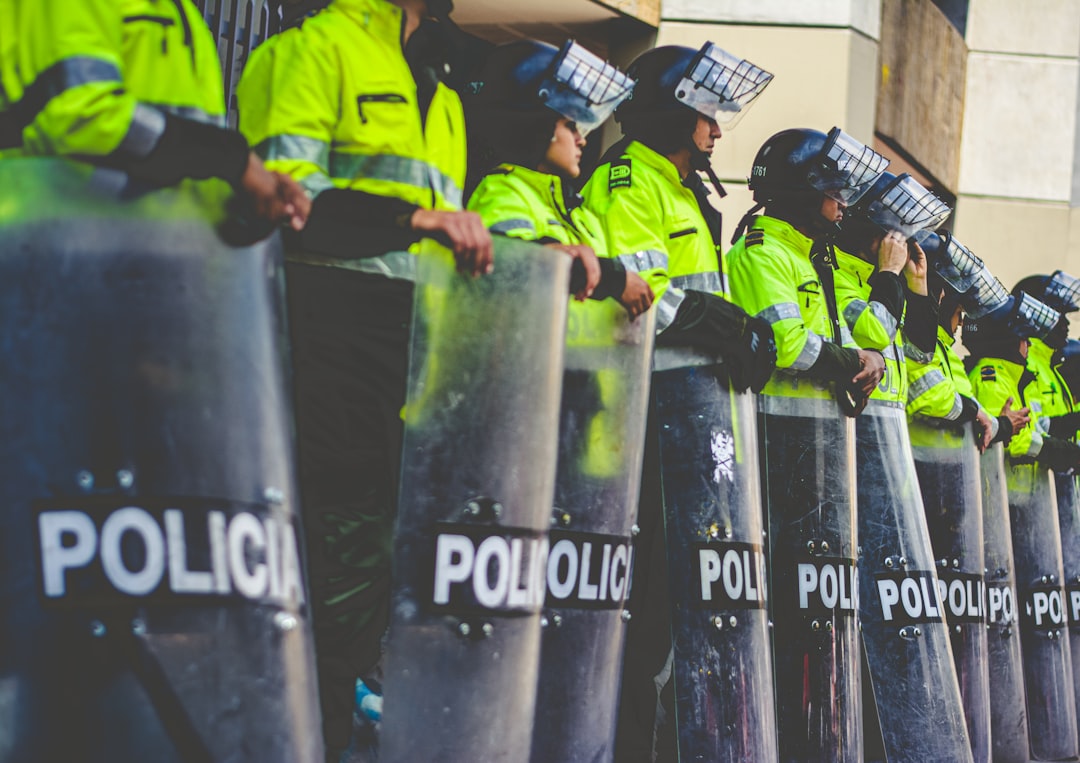


The Roots of Miranda Protections (Image Credits: Unsplash)
Chicago – Arrests in the city often spark questions about constitutional protections, yet the familiar Miranda warning remains one of the most misunderstood elements of police procedure.
The Roots of Miranda Protections
The Miranda warning traces its origins to a landmark 1966 Supreme Court decision in Miranda v. Arizona. That ruling established safeguards to prevent coerced confessions during police interrogations. Justices recognized that individuals in custody faced inherent pressure to speak without understanding their options. As a result, officers gained a clear duty to inform suspects of specific rights before questioning began.
In Illinois, these federal standards apply uniformly across jurisdictions, including Chicago’s bustling police districts. Local law enforcement adopted the practice swiftly after the decision, embedding it into training protocols. Over time, the warning became a staple of arrests, though its application hinges on precise circumstances rather than routine recitation.
Triggering the Miranda Requirement
Police in Chicago must deliver the Miranda warning only when a person is in custody and subject to interrogation. Custody means a reasonable person would feel deprived of freedom, such as during handcuffing or transport to a station. Interrogation involves express questioning or actions likely to elicit incriminating responses. Routine booking questions, like name or address, fall outside this scope and require no warning.
For instance, officers responding to a domestic dispute might detain someone without immediately reading rights if no questioning occurs. This distinction prevents blanket requirements at every arrest, allowing focus on immediate safety. Illinois courts have upheld this framework, emphasizing that the goal is to protect against self-incrimination under the Fifth Amendment.
Debunking Widespread Myths
Television dramas frequently depict officers reciting rights at the moment of arrest, fostering a belief that failure to do so invalidates the entire case. In reality, Chicago police face no obligation to Mirandize during initial detentions or traffic stops absent custody. Many arrests proceed without the warning if no interrogation follows, and evidence from the scene remains admissible.
Another common error involves assuming silence alone suffices as a rights invocation. Suspects must explicitly state their intent to remain silent or request counsel for protections to fully activate. Chicago defense attorneys often highlight how these misconceptions lead individuals to speak prematurely, complicating legal defenses later.
Outcomes When Rights Go Unread
If Chicago officers interrogate without providing the Miranda warning, any resulting statements typically become inadmissible in court. Prosecutors cannot use those confessions to build their case, potentially weakening charges. However, this exclusion applies solely to the violated statements; physical evidence or witness accounts endure unaffected.
Courts in Illinois evaluate violations case by case, considering factors like the interrogation’s duration and the suspect’s awareness. While civil rights claims may arise from egregious failures, routine oversights rarely lead to case dismissals. Legal experts stress that consulting an attorney promptly after arrest maximizes these protections.
Navigating Exceptions in Practice
Certain scenarios permit questioning without Miranda warnings, such as imminent threats to public safety. For example, if officers believe a detained person knows a bomb’s location, brief inquiries may precede rights recitation to avert harm. The Supreme Court endorsed this “public safety exception” in a 1984 ruling, and Chicago police apply it judiciously during high-stakes incidents.
Additionally, voluntary statements offered without prompting bypass the requirement entirely. In traffic stops common on Chicago’s streets, casual remarks from drivers often enter evidence unchallenged. These nuances underscore the importance of knowing when silence serves best.
Here are the core elements of the Miranda warning that Chicago police must convey:
- You have the right to remain silent.
- Anything you say can and will be used against you in court.
- You have the right to an attorney.
- If you cannot afford one, one will be provided for you.
- You can exercise these rights at any time during questioning.
Key Takeaways
- Miranda applies strictly to custodial interrogations, not all arrests.
- Unwarned statements risk exclusion from trial, but cases persist on other evidence.
- Exceptions like public safety allow limited questioning without delay.
Understanding these boundaries empowers Chicago residents during encounters with law enforcement, ensuring informed decisions under pressure. As the city’s legal system evolves, staying aware of these rights remains crucial for safeguarding personal freedoms. What experiences have you had with police procedures in Illinois? Share your thoughts in the comments.