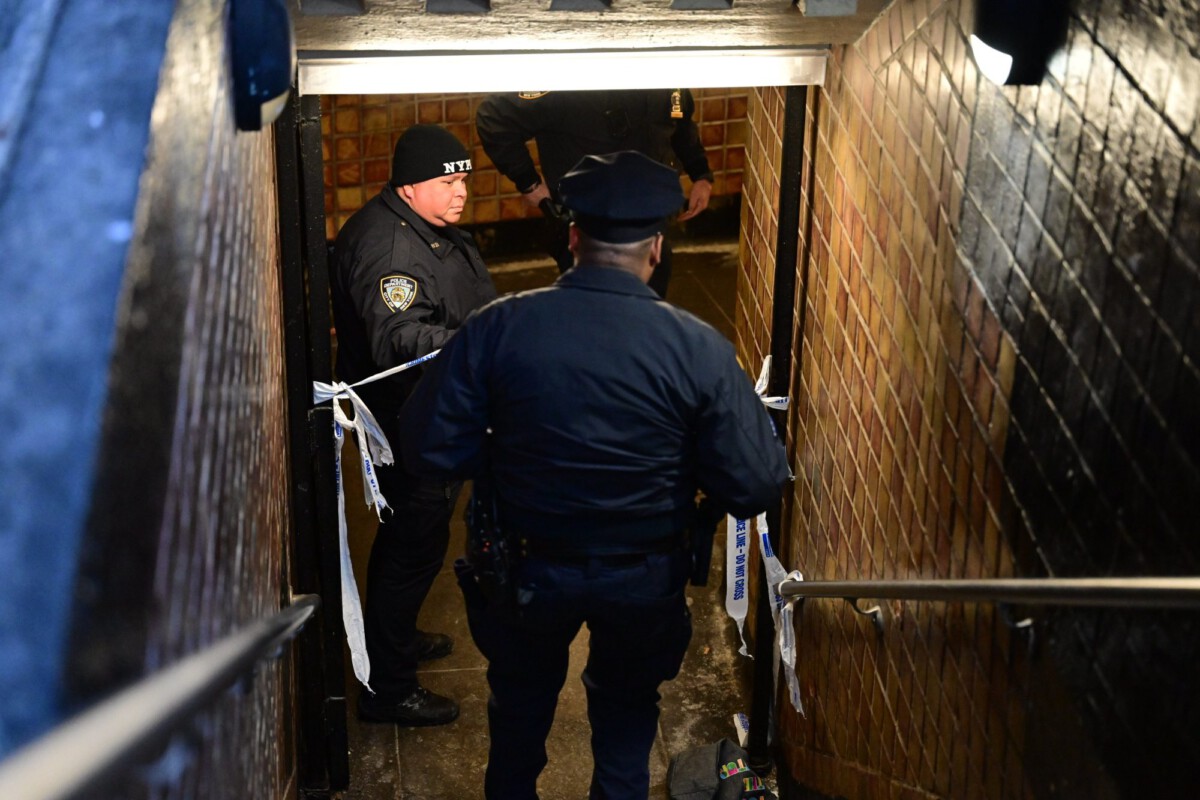


The Breakthrough That’s Changing Prison Reporting (Image Credits: Unsplash)
Missouri – In the quiet hum of state offices, a long-overlooked database finally swings open, offering a clearer view into the lives lost behind bars.
The Breakthrough That’s Changing Prison Reporting
Imagine finally piecing together the full story of what happens in Missouri’s prisons without chasing scattered clues. For years, reporters struggled with incomplete logs and patchwork records from the Department of Corrections. But now, everything’s shifted.
The department has rolled out its first comprehensive report listing every death in the system. This isn’t just a list; it’s a detailed breakdown that includes causes, locations, and timelines. Journalists across the state are already digging in, uncovering patterns that were hidden before.
What makes this a game-changer? It fills gaps from 2018 to 2024, revealing hundreds of deaths that previous reports missed. Suddenly, stories about accountability and reform have solid footing.
Why This Data Matters More Than Ever
Prison deaths often stay buried under layers of bureaucracy, leaving families and the public in the dark. In Missouri, the old system cobbled together info from coroners, medical examiners, and internal notes, but it was spotty at best. Reporters had to file endless requests just to get partial pictures.
Now, with this new report, transparency takes a big step forward. It shows annual totals for the first time, highlighting facilities like South Central Correctional Center with unusually high numbers in 2024. This could spark investigations into overcrowding or medical neglect that were impossible before.
Think about the human side: families waiting for answers on loved ones who died suddenly. Journalists using this data can bridge that gap, pushing for the closure and changes that officials sometimes drag their feet on.
Step-by-Step: Filing Your Request Right
Getting started is straightforward, but knowing the ropes saves time. Head to the Missouri Department of Corrections website and look for the public records section. Submit a formal request under the state’s sunshine laws, specifying you want the comprehensive death report.
Be precise in your ask. Mention the full dataset from 2018 onward, including demographics, causes of death, and facility details. The department has committed to annual updates, so flag if you need the latest.
- Download the request form from the DOC site.
- Detail exactly what fields you need, like date of death or manner.
- Follow up within 10 business days if no response.
- Cross-check with coroner offices for deeper dives.
- Archive your request for future reference.
Navigating the Fine Print and Potential Hurdles
Not every request sails through smoothly. Some details, like full medical histories, might still require extra steps or redactions for privacy. Reporters have reported delays when pushing for individual case files.
Yet, the core report is public and free. If you hit a wall, loop in advocacy groups like The Marshall Project, who’ve paved the way with their own persistent queries. They’ve shared tips on wording requests to avoid denials.
One common snag: verifying data against external sources. Always pair the DOC report with local coroner records to catch discrepancies. This layered approach builds credible stories that hold up under scrutiny.
Real-World Examples of Impactful Reporting
Journalists are already making waves. Outlets like KCUR and St. Louis Public Radio used early versions of this data to expose rising death counts, prompting legislative questions. One story revealed 18 deaths at a single facility last year alone.
These reports don’t just inform; they drive action. Families have come forward with new details, and officials face pressure to improve oversight. It’s a reminder of how data unlocks narratives that matter.
For investigative pieces, focus on trends like suicides or inadequate healthcare. The report’s structure makes it easy to spot spikes, turning numbers into compelling human stories.
Tools and Tips to Maximize Your Access
Beyond the basics, leverage free tools to analyze the data. Import it into spreadsheets for sorting by year or cause, or use simple visualization software to map deaths by facility. This helps spot outliers quickly.
Collaborate if possible. Join networks of reporters focused on criminal justice to share insights and avoid duplicating efforts. Resources from the Reporters Committee for Freedom of the Press offer templates tailored to Missouri.
| Facility | Deaths in 2024 | Key Insight |
|---|---|---|
| South Central Correctional Center | 18 | Highest in state; medical issues prominent |
| Other Major Facilities | Varies | Overcrowding linked to patterns |
Key Takeaways for Aspiring Investigators
- This new report covers all prison deaths since 2018, a first for Missouri.
- Start with a clear public records request to unlock the full dataset.
- Combine with coroner data for the most accurate, impactful stories.
As Missouri’s prison system opens up, the real work begins in turning data into dialogue. It’s a chance to shine light on overlooked tragedies and push for better. What stories do you see emerging from this? Share in the comments.