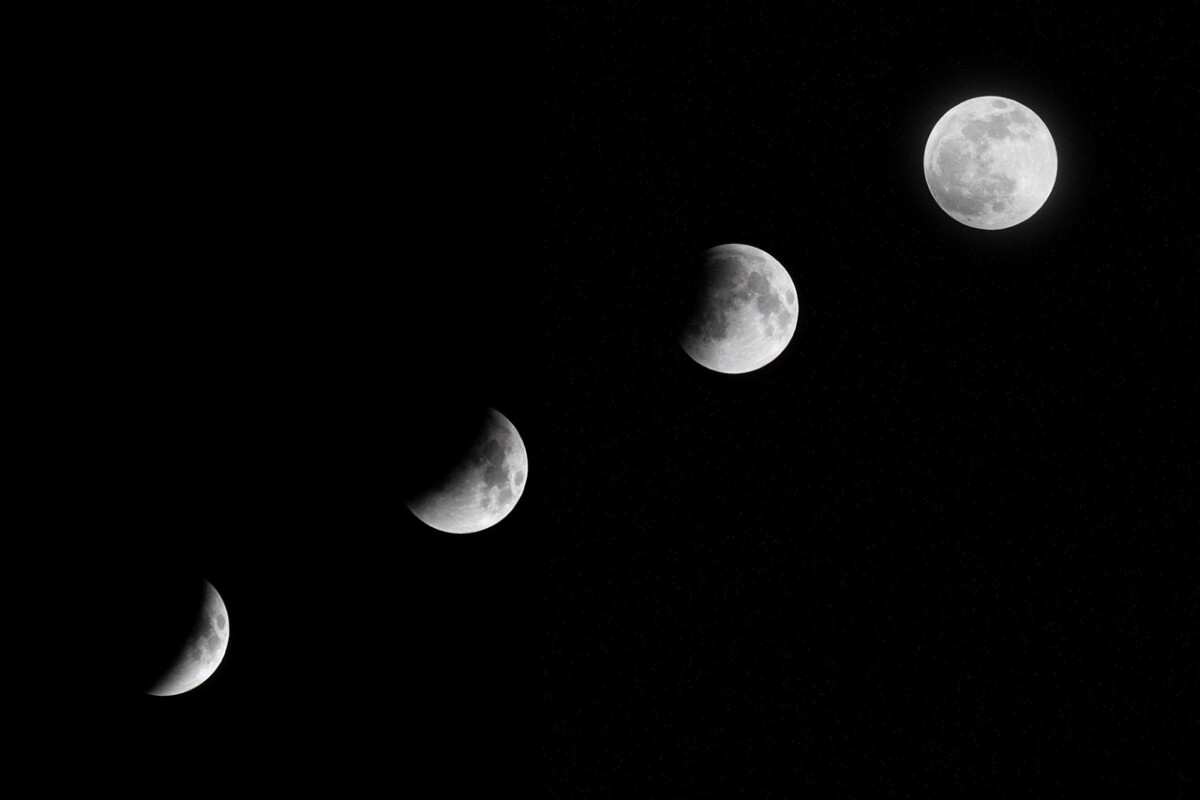
Helium-3: Rare Earth, Lunar Abundance (Image Credits: Pixabay)
NASA’s Artemis program advanced plans for sustainable lunar presence, drawing attention to helium-3 embedded in the Moon’s surface. This isotope, deposited by solar wind over billions of years, offers Earth a scarce resource vital for next-generation technologies. Private ventures now position themselves to extract and return it, eyeing markets that could generate trillions in value.[1]
Helium-3: Rare Earth, Lunar Abundance
A surprising fact emerged from lunar samples decades ago: the Moon holds vast quantities of helium-3, far exceeding Earth’s supplies. Concentrations in the regolith reach parts per billion, yet total estimates exceed one million metric tons across the surface.[2][3] Solar wind implanted the isotope into the soil, unprotected by a magnetic field or thick atmosphere.
Fusion researchers eyed helium-3 for its potential in aneutronic reactions with deuterium, producing minimal radioactive waste and high energy yields. Just 25 tons could meet the United States’ annual energy needs.[4] Quantum computing demands it even sooner, as dilution refrigerators mix helium-3 with helium-4 to achieve temperatures near absolute zero, essential for stable qubits.
Market prices reflected this scarcity, climbing to $20 million per kilogram – 150 times gold’s value.[5] Demand from AI-driven data centers and fusion prototypes accelerated interest.
Artemis Program Fuels Lunar Ambitions
NASA allocated over $53 billion to Artemis since 2022, targeting a south pole base for water ice and power generation.[6] Artemis III, slated for 2027, tested integrated systems, while long-term visions included colonies supporting Mars missions.
Though helium-3 concentrates more at equatorial sites, the infrastructure enabled broader resource activities. Officials highlighted mining’s role in an off-world economy, easing Earth’s energy burdens.[1] Robotic precursors paved the way for human-tended operations.
Permanent habitats near resource-rich poles promised fuel production from ice, complementing helium-3 efforts elsewhere on the Moon.
Companies Stake Claims in Lunar Mining
Interlune led the charge, securing contracts with the U.S. Department of Energy for three liters by 2029 and quantum firm Maybell Quantum for thousands more.[7] The startup planned a 2027 prospecting mission, followed by a pilot plant producing 10 kilograms annually – worth $200 million.
Lunar Helium-3 Mining earned its tenth U.S. patent in March 2026, targeting commercial extraction for fusion and quantum markets.[8] Black Moon Energy signed a DOE supply deal, aiming for scaled production within eight years.[9]
- Interlune: Robotic excavators, cryogenic distillation, NASA tech contracts.
- LH3M: Non-invasive regolith processing, IP portfolio for profitability.
- Black Moon: Equatorial surveys, regolith analysis, transport cylinders.
- Others: Blue Origin lander designs, international players like China.
Path to Profit: Value Versus Hurdles
Analysts projected a $17 trillion industry if extraction scaled.[10] A single fleet of five machines could yield substantial returns, funding expansion.
Extraction heated regolith to release gases, then separated helium-3 – a process demanding low power and dust mitigation in vacuum.[11] Return trips posed logistics challenges, though reentry capsules promised efficiency.
| Company | Key Milestone | Target Market |
|---|---|---|
| Interlune | 2029 pilot plant | Quantum, DOE |
| LH3M | 10 patents (2026) | Fusion, quantum |
| Black Moon | DOE contract | Isotopes program |
Geopolitical tensions loomed, with China’s samples confirming deposits.[12]
Key Takeaways
- Helium-3’s lunar abundance dwarfs Earth supplies, valued at millions per kilogram.
- Artemis enables commercial mining, blending NASA goals with private enterprise.
- Quantum computing drives near-term demand; fusion offers long-term trillions.
The lunar helium-3 pursuit reshapes humanity’s energy landscape, blending exploration with commerce. As robots dig the first trenches, this resource could power sustainable growth for centuries. What role will it play in your future? Share your thoughts in the comments.