

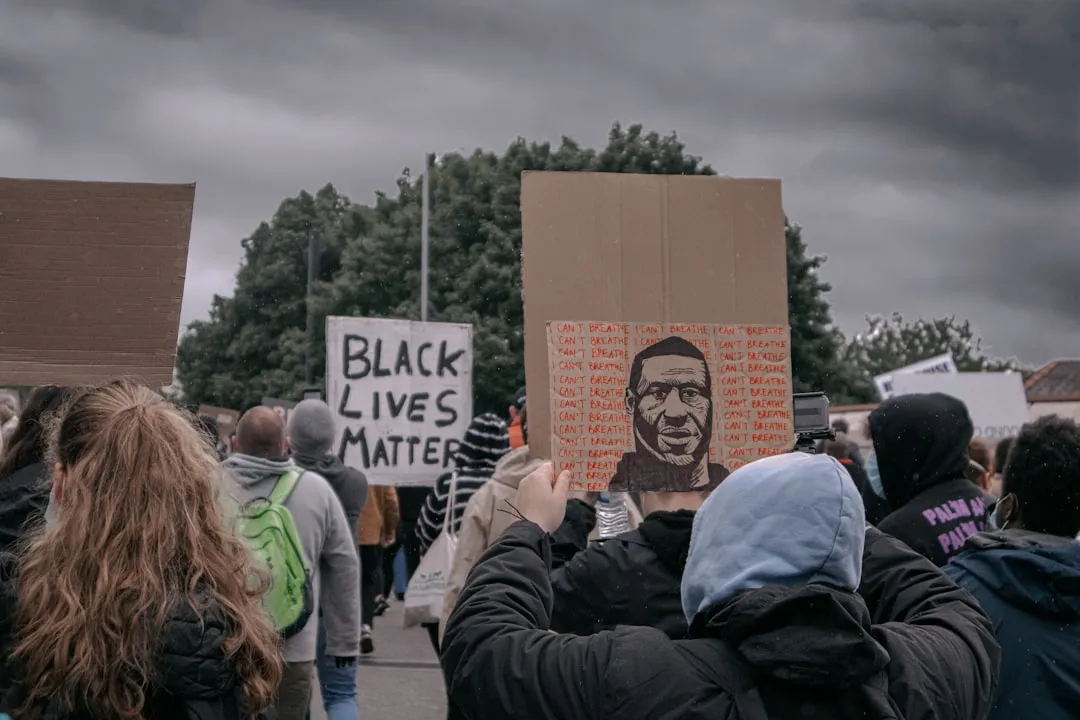
The 2024 Convention Clash That Shook Black Media (Image Credits: Unsplash)
The National Association of Black Journalists marked two years since Donald Trump’s polarizing appearance at its 2024 convention, a moment that continues to shape the organization’s response to growing pressures on free speech.
The 2024 Convention Clash That Shook Black Media
Long lines of reporters snaked through Chicago’s Hilton Hotel as Trump took the stage at the NABJ gathering, an invitation that ignited immediate backlash.[1][2]
Nikole Hannah-Jones, a prominent NABJ member, captured the sentiment: “When you have an autocratic presidential candidate, you don’t treat that person like a normal presidential candidate.” She argued the event disrespected Black journalists in their own space, yielding no fresh insights into his positions.[1]
Karen Attiah resigned as convention co-chair upon learning of the plan, later parting ways with The Washington Post. Trump fielded few tough questions before departing abruptly, leaving many feeling the exchange fell short of journalistic rigor.
Hostility Reaches New Heights in 2026
Federally supported arrests of journalists Georgia Fort, Don Lemon, and Jerome Richardson in January signaled a sharp escalation.[1]
Trump amplified tensions with a social media post depicting Barack and Michelle Obama as monkeys, followed by a tribute to the late Jesse Jackson that critics viewed as opportunistic. Dr. Stacey Patton questioned in a commentary whether NABJ could protect members or merely commemorate them afterward.
These incidents echoed broader patterns, including Trump’s past efforts to counter The 1619 Project through the Advisory 1776 Commission. Black journalists reported a chilling effect on coverage of sensitive topics.
NABJ’s Bold Steps Forward Under New Leadership
Errin Haines, the current NABJ president and editor at large for The 19th, issued a firm January 30 statement: “A free press, not a penalized one, is essential to democracy.” Her tenure emphasized proactive advocacy amid leadership rotations every two years.[1]
Local chapters mobilized effectively. The Washington Association of Black Journalists testified to safeguard funding for a key TV network, averting a potential news desert. NABJ-Chicago prioritized mental health support and mutual aid networks.
- Emergency town hall on February 2 with press freedom groups like the Committee to Protect Journalists.
- Focus on collective action against detentions and prosecutions.
- Preparations for the 2026 Atlanta conference to bolster resilience systems.
Drawing Strength from Historical Precedents
Pioneers like Ida B. Wells fled threats after her Memphis newsroom burned, relocating to Chicago to continue anti-lynching work. Civil rights-era reporters relied on community defense funds and safe havens during perilous assignments.
These traditions inform today’s strategies, as leaders like Philip Lewis warn of misinformation risks from journalist shortages. NABJ aims to evolve beyond reactive measures, fostering networks that endure.
Black journalists stand at a crossroads, transforming past vulnerabilities into fortified solidarity. As threats persist, NABJ’s adaptations offer a blueprint for press survival in divisive times.
Key Takeaways:
- NABJ shifted from controversy to action with leadership changes and advocacy.
- Recent arrests and rhetoric underscore urgent free speech concerns for Black media.
- Historical resilience inspires modern mutual aid and protection efforts.
What steps should journalism organizations take next? Share your thoughts in the comments.