Rivalry Fuels Urgent Lunar Push (Image Credits: Pixabay)
NASA leaders unveiled a transformed roadmap for U.S. space dominance this week, emphasizing sustained human presence on the moon and a thriving commercial sector in orbit. The initiative responds to intensifying competition, particularly from China, which aims to land astronauts by 2030. Administrator Jared Isaacman stressed the need for rapid progress, declaring that America intends to establish a lasting foothold rather than temporary visits.
Rivalry Fuels Urgent Lunar Push
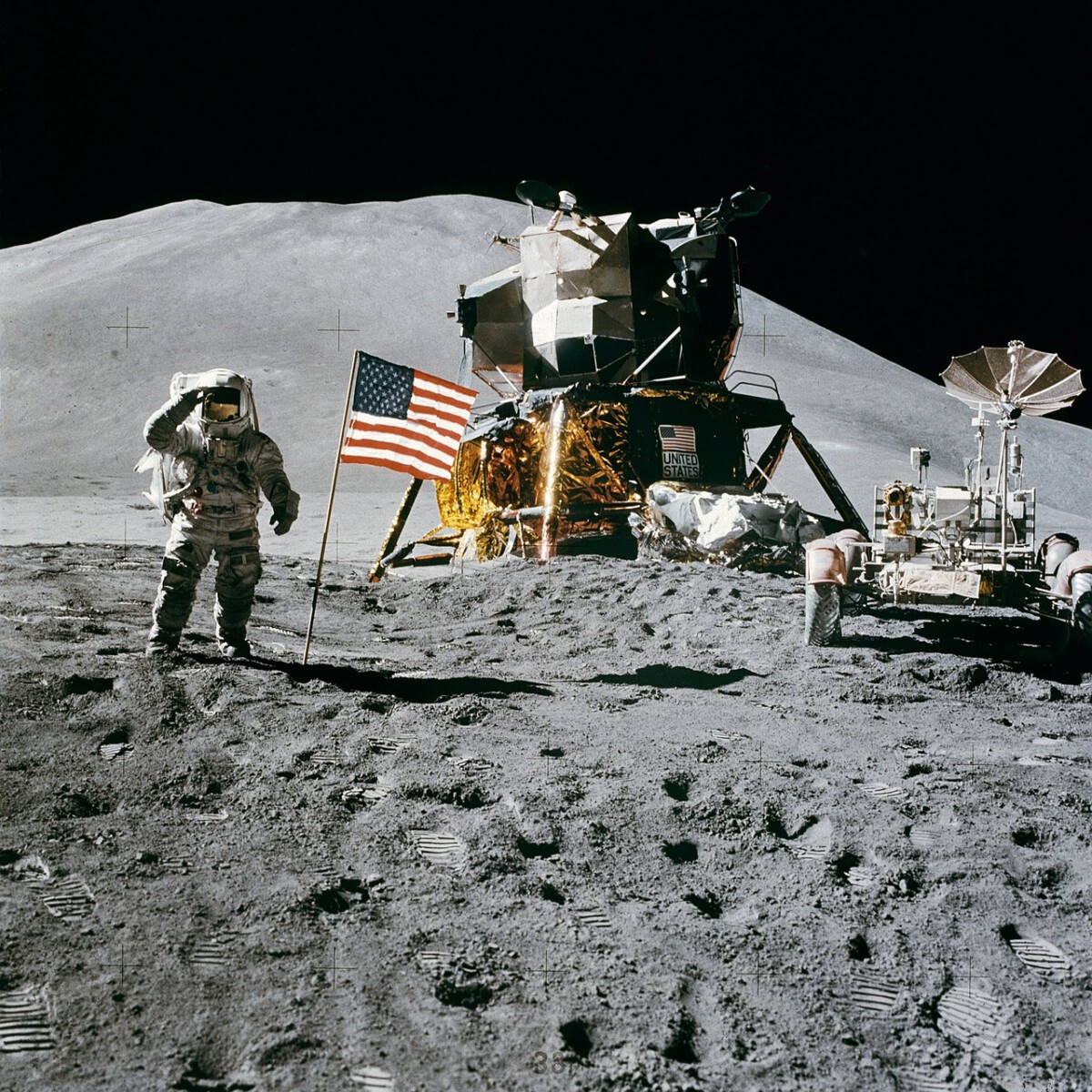
America’s first crewed lunar flyby in over 50 years lifted off next week with Artemis II, setting the stage for a 2028 surface landing. This timeline edges ahead of China’s ambitions and underscores a shift from past exploratory stints to enduring occupation. Isaacman highlighted the geopolitical stakes, noting a rival challenging U.S. superiority in space.
Success now hinges on swift execution measured in months. The agency streamlined its Artemis architecture last month by standardizing the Space Launch System rocket and adding a low-Earth orbit test mission for the Orion capsule and spacesuits. These steps methodically mitigate risks, echoing Apollo’s incremental triumphs. Lori Glaze, acting associate administrator for Exploration Systems Development, explained that each phase advances meaningfully without excessive hazards.
Phasing In a Moon Base
NASA paused development of the lunar Gateway station to prioritize a $20 billion Moon Base over seven years, drawing on private firms and global allies. The project unfolds in three phases: initial frequent landings for habitats, excavation, and communications; subsequent heavy infrastructure; and finally sustainable operations using lunar resources like oxygen and rare earths.
- Early landings deliver science payloads and test semi-permanent setups.
- Mid-term builds permanent structures and cargo return capabilities.
- Long-term achieves self-sufficiency with in-situ resource utilization.
Carlos Garcia-Galan, Moon Base program executive, described the vision as transformative yet achievable. NASA may adapt Gateway elements for this base and beyond. The focus accelerates learning and infrastructure vital for commerce and exploration.
Commercial Orbit Without Interruption
In low-Earth orbit, NASA plans a seamless handover from the International Space Station to a network of commercial stations. A government-owned Core Module will link to the ISS initially, with private modules detaching later for independent operation. As a key buyer of services, NASA aims to boost private missions, research with market potential, and economic expansion.
Dana Weigel, ISS program manager, affirmed unchanged core goals: U.S. leadership, human research, and LEO as an exploration testbed. Commercial dynamics promise lower costs and innovation. Isaacman welcomed industry input, positioning NASA to tackle deeper solar system challenges.
Nuclear Propulsion and Science Surge
A highlight emerged with Space Reactor-1 Freedom, a nuclear-powered spacecraft slated for Mars in late 2028. This system pairs a reactor with electric propulsion for efficient deep-space travel where solar power falters. Upon arrival, it deploys helicopters akin to Ingenuity for scouting and high-speed Earth communications.
Steve Sinacore, Fission Surface Power executive, likened it to pioneering freight on a solar system railroad. Complementing this, missions include the Nancy Grace Roman Space Telescope for dark energy studies this fall, an Earth storm predictor next year, and ESCAPADE to Mars for atmospheric research. Further ahead, Dragonfly heads to Titan in 2028 for life-origin clues, joined by the Rosalind Franklin rover’s organic analyzer and DAVINCI’s Venus probe by the 2030s. Nicola Fox, Science Mission Directorate associate administrator, urged evolution in exploration to secure technological edges.
Key Takeaways
- NASA targets permanent lunar infrastructure over $20 billion, pausing Gateway.
- Commercial LEO stations ensure no gap post-ISS, spurring economic growth.
- Nuclear Freedom mission pioneers Mars freight; science slate advances habitability quests.
This blueprint rebuilds competencies through civil service conversions, talent recruitment like Space Force, and expanded Commercial Lunar Payload Services for up to 30 surface vehicles. Partnerships cut bureaucracy and harness competition. As NASA forges ahead, the question remains: Can this unified push secure America’s cosmic edge? Share your thoughts in the comments.