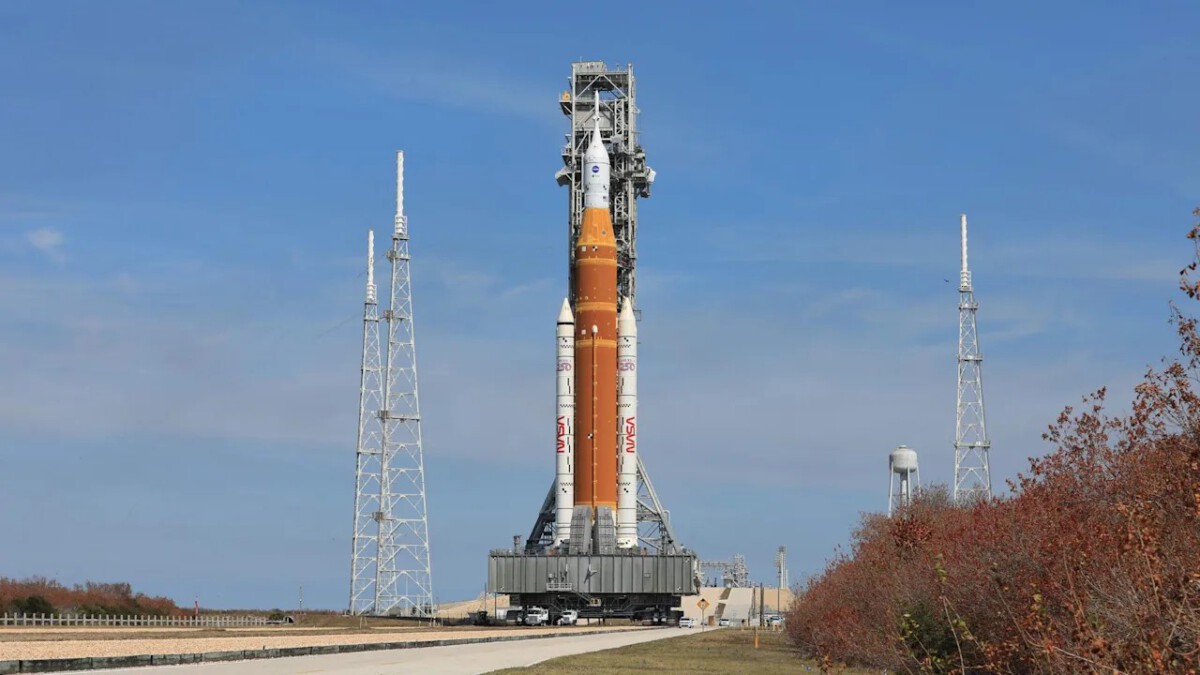
Safety Panel’s Warning Sparks Major Overhaul (Image Credits: Images.fastcompany.com)
NASA revealed a restructured Artemis program on Friday that shifts the first astronaut lunar landing from next year to 2028.
Safety Panel’s Warning Sparks Major Overhaul
The agency’s Aerospace Safety Advisory Panel highlighted critical risks in the original Artemis III plan, which aimed for a South Pole landing loaded with unproven technologies. Panel members warned that the aggressive timeline risked safety while skills faded during long gaps between flights. They recommended incremental steps and additional testing to rebuild expertise.
Administrator Jared Isaacman emphasized workforce retention as a key issue. “When you are launching every three years, your skills atrophy, you lose muscle memory,” he stated. Talented teams on Artemis II might not wait years for the next phase, he added. This approach ensures steady progress without burnout.
New Timeline Focuses on Rigorous Testing
Artemis III now features low-Earth orbit demonstrations instead of a lunar touchdown. Astronauts will practice rendezvous and docking with commercial landers from SpaceX and Blue Origin. Trials will cover life support, communications, propulsion, and Axiom Space suits.
The schedule standardizes the Space Launch System rocket and aligns NASA staff with private partners. Launches could occur every 10 months, echoing Apollo’s rapid cadence. Artemis IV will handle the 2028 landing after these validations. NASA views this as rebuilding core capabilities through hands-on collaboration.
Overcoming Artemis II Launch Challenges
Recent troubles with Artemis II underscored the need for caution. Hydrogen leaks and helium issues, similar to those in the 2022 Artemis I flyby, forced the rocket and Orion spacecraft back to the Vehicle Assembly Building last week. Repairs target an April launch window for the 10-day lunar loop carrying astronauts Reid Wiseman, Victor Glover, Christina Koch, and Jeremy Hansen.
These setbacks reinforced the panel’s call for smaller, safer increments. NASA borrowed from Apollo’s playbook, avoiding a leap straight to a landing.
- Standardized SLS rocket configurations reduce complexity.
- Workforce alignment with contractors boosts efficiency.
- In-orbit tests validate multiple systems before lunar risks.
- Frequent launches preserve skills and momentum.
- Commercial partnerships accelerate development.
Apollo Wisdom Meets Modern Competition
Officials drew direct lessons from Apollo’s step-by-step buildup. “We didn’t go right to Apollo 11,” Isaacman noted, comparing the prior Artemis plan to skipping essential milestones. Associate Administrator Amit Kshatriya added that each flight must advance capabilities without excessive risk based on prior data.
China’s push for a crewed lunar landing by 2030 adds urgency. Isaacman stressed eliminating delays to outpace this rival. Long-term Artemis aims include sustained lunar presence and Mars missions.
Key Takeaways
- Safety drives the delay, prioritizing tests over speed.
- Frequent launches every 10 months sustain expertise.
- Competition with China sharpens NASA’s focus on efficiency.
This revamped path promises a reliable foundation for lunar exploration. How will these changes shape the space race? Share your thoughts in the comments.