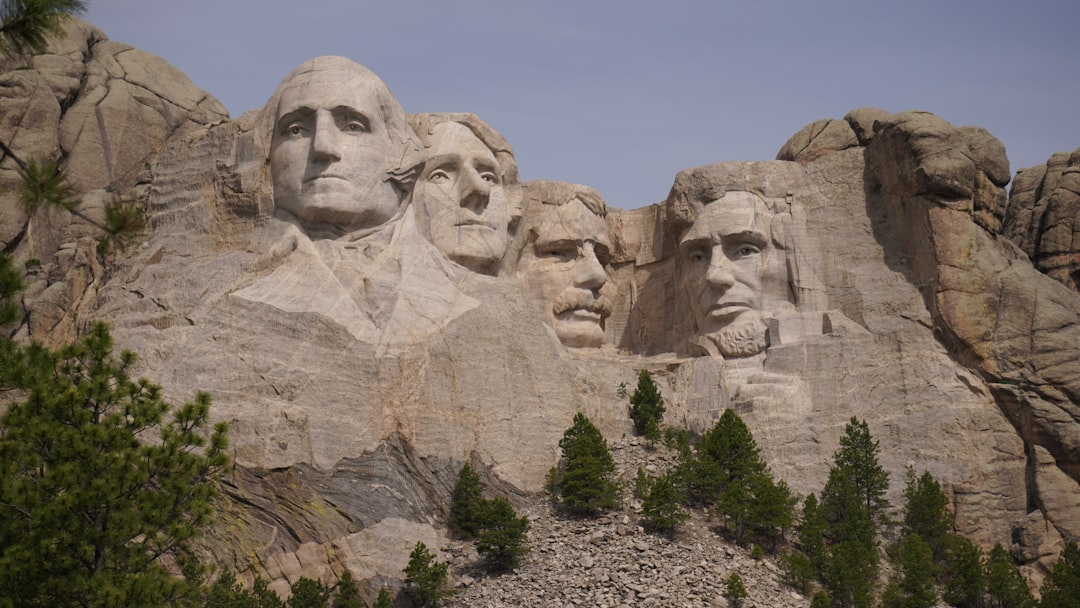
Directives Ignite Immediate Backlash (Image Credits: Unsplash)
Directives from the Trump administration instructed national park officials to remove interpretive materials viewed as disparaging to Americans or advancing divisive ideologies, sparking widespread concern among preservation advocates.
Directives Ignite Immediate Backlash
Historians and park enthusiasts reacted swiftly to the policy shift. The instructions targeted exhibits and signage that officials deemed problematic. Critics argued this approach risked altering the parks’ core educational role. National parks have long functioned as open-air museums chronicling the nation’s triumphs and struggles.
One prominent voice emerged through a letter to the editor. The writer highlighted how such removals could sanitize difficult chapters. Slavery’s legacy, harsh labor histories, and early climate observations all featured in park interpretations. Removing these elements would leave incomplete stories, the letter contended.
Parks as Archives of Unvarnished Truth
National parks preserve more than landscapes; they safeguard collective memory. Interpretive programs at sites like battlefields and industrial ruins educate millions annually. These venues confront visitors with evidence of exploitation and environmental change. Policymakers pushing for changes viewed certain displays as ideologically charged.
The letter emphasized parks’ mission to foster honest reflection. Erasing references to systemic injustices undermines public understanding. Future generations might inherit a polished version of events, detached from reality. Park rangers, trained as storytellers, now navigate these tensions daily.
Risks of Selective Historical Editing
Advocates warned of broader consequences for public trust. Selective curation could erode credibility in other federal narratives. Parks draw diverse crowds seeking authentic experiences. Altering content to avoid discomfort sets a precedent for future interventions.
Examples abound of contested histories in parks. Displays on forced labor in mines or discriminatory policies shaped regional identities. Climate data from long-term monitoring stations informs ongoing debates. The letter urged resistance to maintain integrity across all sites.
Balancing Preservation and Interpretation
Supporters of the directives aimed to promote unity amid division. They argued some materials fostered unnecessary negativity. Yet opponents countered that true unity requires acknowledging flaws. Parks evolved over decades to include multifaceted viewpoints, reflecting scholarly consensus.
Stakeholders called for dialogue between administrators and experts. Maintaining balance ensures parks remain relevant. Recent visitor surveys showed strong support for comprehensive storytelling. This controversy underscores ongoing debates over memory and monuments.
Key Takeaways
- National parks serve as vital classrooms for America’s full history, including slavery and labor struggles.
- Directives to remove “disparaging” materials threaten honest interpretation.
- Preserving unfiltered narratives upholds the public mission of these lands.
The push to reshape national park content reveals deep divides over how America reckons with its past. Protecting these spaces means committing to truth over comfort. What do you think about balancing history and sensitivity in public lands? Tell us in the comments.