

Understanding Your Initial Enrollment Period Window
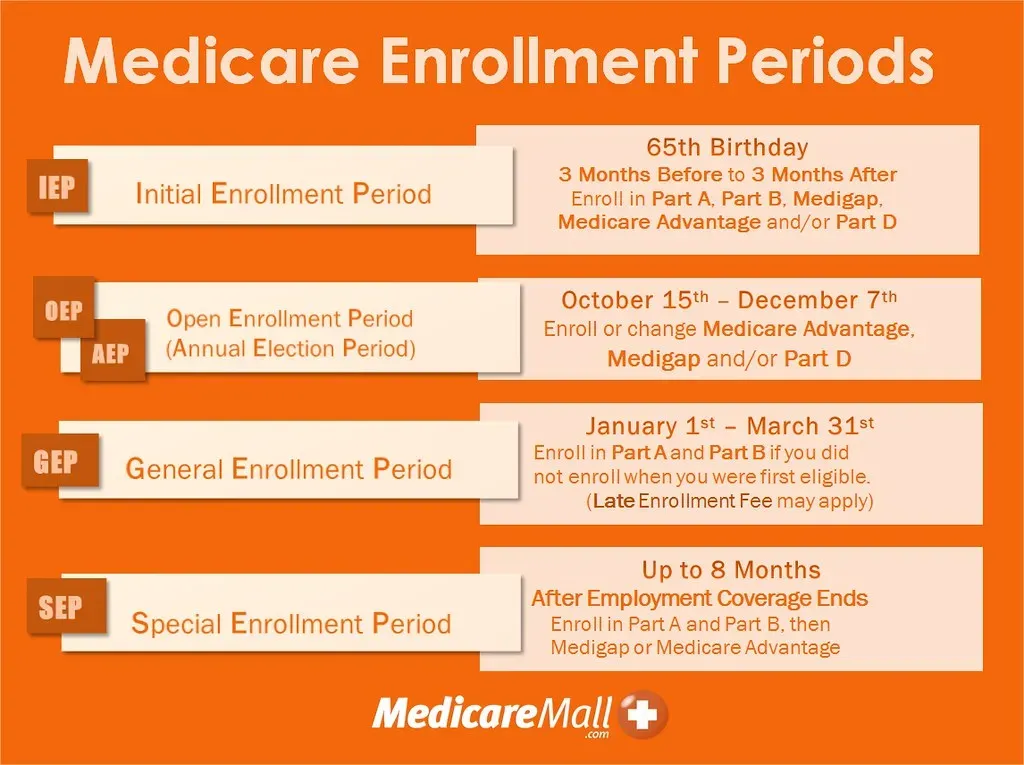
Here’s the thing about Medicare timing: it’s both generous and strict. Your Initial Enrollment Period is a seven-month period around the time a person first becomes eligible for Medicare, generally starting three months before you turn 65, continuing through your birth month, and extending three months after. Let’s be real, that sounds like plenty of time until life gets busy and suddenly you’re in month six wondering where the weeks went.
Most people automatically receive Part A if they’re already collecting Social Security benefits, which makes things easier. However, Part B requires a deliberate choice, and honestly, that’s where folks stumble most often. The beauty of this window is you can enroll anytime during those seven months, though your coverage start date shifts depending on when you actually sign up.
If you enroll during the three months before your birthday month, coverage typically begins the month you turn 65. Wait until your birthday month or later, and you might face a delay. It’s a simple mechanic but surprisingly easy to miscalculate when you’re juggling everything else in your life.
What Happens When You Miss Your First Chance

Missing your Initial Enrollment Period isn’t the end of the world, though it feels that way when you realize what happened. The Part A / Part B general enrollment period is January 1 through March 31, which runs every single year for anyone who missed their window. The catch? Coverage doesn’t start immediately when you enroll.
Coverage takes effect the first of the month following enrollment, so if you sign up in February during General Enrollment, you’re looking at coverage beginning July 1. That gap can feel painfully long, especially if health issues crop up in the meantime. Worse still, most people who enroll during this period face late enrollment penalties that stick around.
Special Enrollment Periods exist for specific situations, like losing employer coverage or moving out of your plan’s service area. These can save you from penalties if you qualify, but the rules are technical and you need documentation to prove eligibility.
Making Changes During Annual Enrollment Period

Every year, Medicare’s open enrollment period is October 15 – December 7, and this window is your annual opportunity to rethink everything. You can switch from Original Medicare to Medicare Advantage, hop between Advantage plans, add or drop Part D coverage, or make virtually any coverage change you want. Changes you make during this period will take effect on January 1 of the following year.
This period gets heavily advertised, and for good reason. Medicare plans change their costs, coverage, and provider networks every year, so what worked perfectly in 2025 might be a terrible fit for 2026. Roughly half the people enrolled don’t bother reviewing their options annually, which honestly seems crazy given how much money could be at stake.
The smart move is comparing plans every October, even if you think yours is still the best. Use the Medicare Plan Finder online or call your State Health Insurance Assistance Program for free help walking through options.
The Medicare Advantage Open Enrollment Exception

The Medicare Advantage open enrollment period is January 1 through March 31, but this window only applies if you’re already enrolled in a Medicare Advantage plan. During the Medicare Advantage Open Enrollment Period, Medicare enrollees have the opportunity to switch or drop their Medicare Advantage plan. You get one change during this period, unlike the fall window where you can change your mind multiple times.
This is basically a safety valve for people who picked an Advantage plan in the fall and then realized it wasn’t working out. Maybe the provider network is smaller than expected or the prior authorization requirements are frustrating. You can switch to another Advantage plan or drop back to Original Medicare and add a standalone Part D plan.
The limitation is you only get one shot at this between January and March. Once you make a change, you’re locked in until the next Annual Enrollment Period in October, so choose carefully.
Decoding Part B Premiums and Deductibles for 2025
The standard monthly premium for Medicare Part B enrollees will be $185.00 for 2025, an increase of $10.30 from $174.70 in 2024. The annual deductible for all Medicare Part B beneficiaries will be $257 in 2025, an increase of $17 from the annual deductible of $240 in 2024, according to CMS official figures published in November 2024 for the 2025 year.
That deductible resets every January, meaning you pay the first $257 of outpatient costs each year before Medicare starts covering its share. After that, you typically pay twenty percent coinsurance for most Part B services. People with higher incomes pay more through Income-Related Monthly Adjustment Amounts, which can push premiums significantly higher for roughly eight percent of beneficiaries.
Part B covers doctor visits, outpatient care, preventive services, durable medical equipment, and many other services. Most people find the premium worth it, though if you’re still working with employer coverage, you might delay Part B to avoid paying for duplicate coverage.
Part A Hospital Coverage Costs You Need to Know

The Medicare Part A inpatient hospital deductible that beneficiaries pay if admitted to the hospital will be $1,676 in 2025, an increase of $44 from $1,632 in 2024. The Part A inpatient hospital deductible covers beneficiaries’ share of costs for the first 60 days of Medicare-covered inpatient hospital care in a benefit period.
Here’s where it gets tricky: that deductible applies per benefit period, not per calendar year. A benefit period starts when you’re admitted to a hospital or skilled nursing facility and ends when you’ve been out for sixty consecutive days. If you’re hospitalized twice in a year but separated by more than sixty days, you pay the deductible twice.
In 2025, beneficiaries must pay a coinsurance amount of $419 per day for the 61st through 90th day of a hospitalization in a benefit period and $838 per day for lifetime reserve days. Those numbers can add up frighteningly fast during a serious illness, which is why many people buy Medigap supplemental insurance to fill the gaps.
Avoiding the Part B Late Enrollment Penalty

The Part B penalty is permanent and painful, so pay attention here. You’ll pay an extra 10% for each year you could have signed up for Part B, but didn’t. That ten percent compounds for every full twelve-month period you delay, and you’ll pay it for as long as you have Part B – potentially for life.
Let’s say you delayed enrolling for three years without qualifying for a Special Enrollment Period. You’d pay a thirty percent penalty on top of the standard premium forever. On a $185 monthly premium in 2025, that’s an extra $55.50 every single month for the rest of your Medicare life. Over twenty years, that’s more than $13,000 in completely avoidable costs.
The exception is if you have creditable coverage through current employment. If you or your spouse is actively working with employer health insurance from a company with twenty or more employees, you can delay Part B without penalty. Just make sure to enroll during your Special Enrollment Period when that coverage ends.
Part D Prescription Drug Penalty Calculations
The Part D late enrollment penalty is calculated by multiplying 1% times the “national base beneficiary premium” ($38.99 in 2026) times the number of full, uncovered months you were eligible to join Medicare drug coverage but didn’t. The Part D late enrollment penalty is added to your premium for as long as you have Medicare drug coverage, even if you switch plans.
This penalty kicks in if you go sixty-three days or more without creditable prescription drug coverage after your Initial Enrollment Period. Unlike Part B’s annual penalty, Part D calculates monthly, so fifteen months without coverage means a fifteen percent penalty on the national base premium.
The “national base beneficiary premium” may go up each year, so your penalty amount may also go up each year. That means even though your penalty percentage stays fixed, the dollar amount you pay can increase annually as the base premium rises. The penalty seems small at first but compounds over decades of Medicare coverage.
Choosing Between Medicare Advantage and Original Medicare
Medicare Advantage plans bundle Part A, Part B, and usually Part D into one private insurance package, often with extra benefits like dental, vision, and hearing coverage. Original Medicare is the traditional government program where you see any doctor who accepts Medicare, then typically add a standalone Part D plan and possibly Medigap for supplemental coverage.
Advantage plans usually have lower monthly premiums but require you to use network providers and get prior authorization for many services. You might pay a $0 premium for the Advantage plan itself, though you still owe the Part B premium to Medicare. Original Medicare offers complete freedom to see any Medicare provider nationwide without referrals or network restrictions.
The mistake people make is choosing based solely on premium cost. Look at your actual health needs, preferred doctors, prescription drugs, and how much you travel. If you’re healthy and don’t mind network restrictions, Advantage can save money. If you have complex health issues or want maximum flexibility, Original Medicare with supplements often makes more sense despite higher premiums.
The Medigap Open Enrollment Protection

Medigap is supplemental insurance sold by private companies to cover the gaps in Original Medicare, like deductibles, coinsurance, and copayments. The critical timing issue is your Medigap Open Enrollment Period, which starts once you have Part B and are sixty-five or older. During that six-month window, insurance companies must sell you any Medigap policy they offer regardless of your health conditions.
Miss that window and you might face medical underwriting, higher premiums, or outright denial based on pre-existing conditions. Some states offer additional protections, but federal law only guarantees that initial six-month period. This is one of the most commonly missed enrollment opportunities because people don’t realize the protection expires.
If you enrolled in a Medicare Advantage plan when you first became eligible and later want to switch to Original Medicare with Medigap, you might not have guaranteed-issue rights. That can leave you stuck paying higher costs or unable to get the coverage you want. Think carefully before choosing Advantage if you might want Medigap flexibility later.