Unprecedented Demands for Flexibility Reshape Travel Plans (Image Credits: Unsplash)
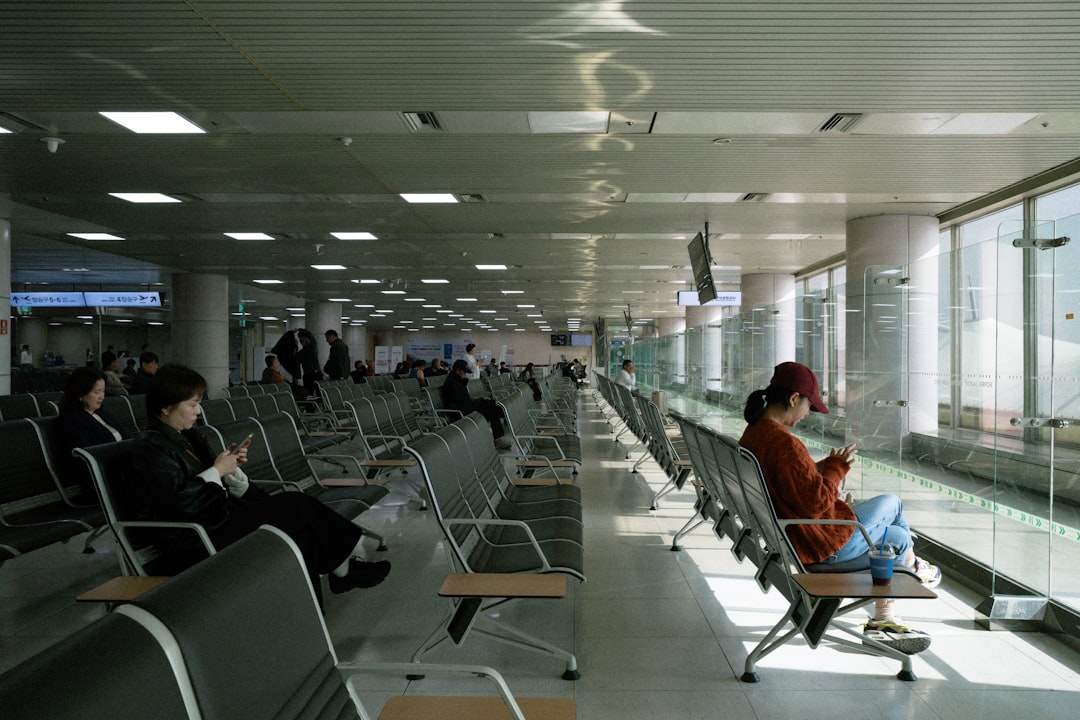
A partial U.S. government shutdown has unleashed severe disruptions across the nation’s air travel system, striking at a critical moment for the NCAA Basketball Championships. Staffing shortages at airports have intensified during spring break, a period already strained by high passenger volumes. The rapid relocation of 68 men’s and women’s teams following the Selection Show adds layers of complexity to an already precarious situation.
Unprecedented Demands for Flexibility Reshape Travel Plans
The NCAA issued a memo on February 24 outlining revised travel protocols, signaling the depth of the challenges ahead. Institutions received clear instructions to prepare for rigid schedules. “Extreme flexibility will be required this championship season,” the document stated. Teams now face 100% screening processes and mandatory catering on flights exceeding three hours.
Departure dates and times hinge entirely on carrier availability, a departure from past practices where schools could request preferences. Eligible teams must travel two days prior to their competitions. This shift prioritizes aircraft efficiency over individual team needs during the tournament’s opening week. The NCAA emphasized that such measures stem from broader industry constraints.
Multiple Factors Fuel the Travel Breakdown
Several intertwined issues compound the difficulties for tournament logistics. Charter aircraft shortages arise from federal regulations, crew limitations, and ground handling bottlenecks. Weather patterns and fluctuating supply-demand dynamics further restrict options. Rising jet fuel prices, spurred by recent military actions in Iran, have driven costs higher across the board.
During the regular season, programs arrange their own travel, with many mid-majors opting for commercial flights. The NCAA Tournament centralizes this through its dedicated service. For teams over 400 miles from their sites, charters come at no cost to the schools. Closer teams receive ground transportation reimbursements or cover commercial options themselves.
The NCAA collaborates with providers of various aircraft sizes to assemble a compliant fleet. Yet availability remains tight due to ongoing staffing shortages among pilots, crew, and screeners. These pressures often force earlier or later departures than teams might prefer.
First Cracks Appear in Tournament Execution
The Selection Committee maintained its standard bracketing and seeding principles, undeterred by travel concerns, as chair Keith Gill confirmed last week. One early hiccup emerged with the University of Maryland-Baltimore County men’s team. A weather delay pushed their charter from Baltimore to Dayton, Ohio, back by four hours. The UMBC Retrievers arrived roughly 24 hours before their First Four matchup against Howard University, which they lost 86-83.
Men’s First Four games kicked off in Dayton on Tuesday, with First and Second Rounds set for Thursday and Friday across multiple venues. Host cities include Tampa, Florida; Greenville, South Carolina; Buffalo, New York; Philadelphia; San Diego; Portland, Oregon; Oklahoma City; and St. Louis. The women’s side has seen no disruptions so far, as all early games occur on the campuses of top-16 seeds.
Ripple Effects Extend to Fans and Airlines
Spectators planning trips to support their teams encounter soaring airfares nationwide. Jet fuel price spikes have prompted widespread increases in ticket costs, as reported by industry observers. Fans in distant regions may face tough choices between attendance and expense.
- Airports strained by federal staffing cuts during peak spring break travel.
- Charter fleets limited by FAA rules and personnel shortages.
- Fuel costs elevated following geopolitical tensions in Iran.
- Teams required to adapt to fixed schedules without input on timings.
- Early weather delays highlight vulnerabilities in tight timelines.
| Factor | Impact on NCAA Travel |
|---|---|
| Staffing Shortages | Delays in screening and ground handling |
| Charter Availability | Forced early or late departures |
| Fuel Price Surge | Higher operational costs |
| Weather Events | Postponed flights, like UMBC’s |
Key Takeaways
- NCAA memo mandates strict flexibility, eliminating team preferences for flights.
- Men’s tournament spans diverse sites, heightening logistics risks.
- Women’s early rounds benefit from campus hosting, dodging major issues.
As the NCAA Tournament progresses, these travel headwinds test the resilience of teams and organizers alike. The core excitement of March Madness endures, but smoother skies will prove essential for unfettered competition. What challenges do you foresee for the remainder of the brackets? Share your thoughts in the comments.