

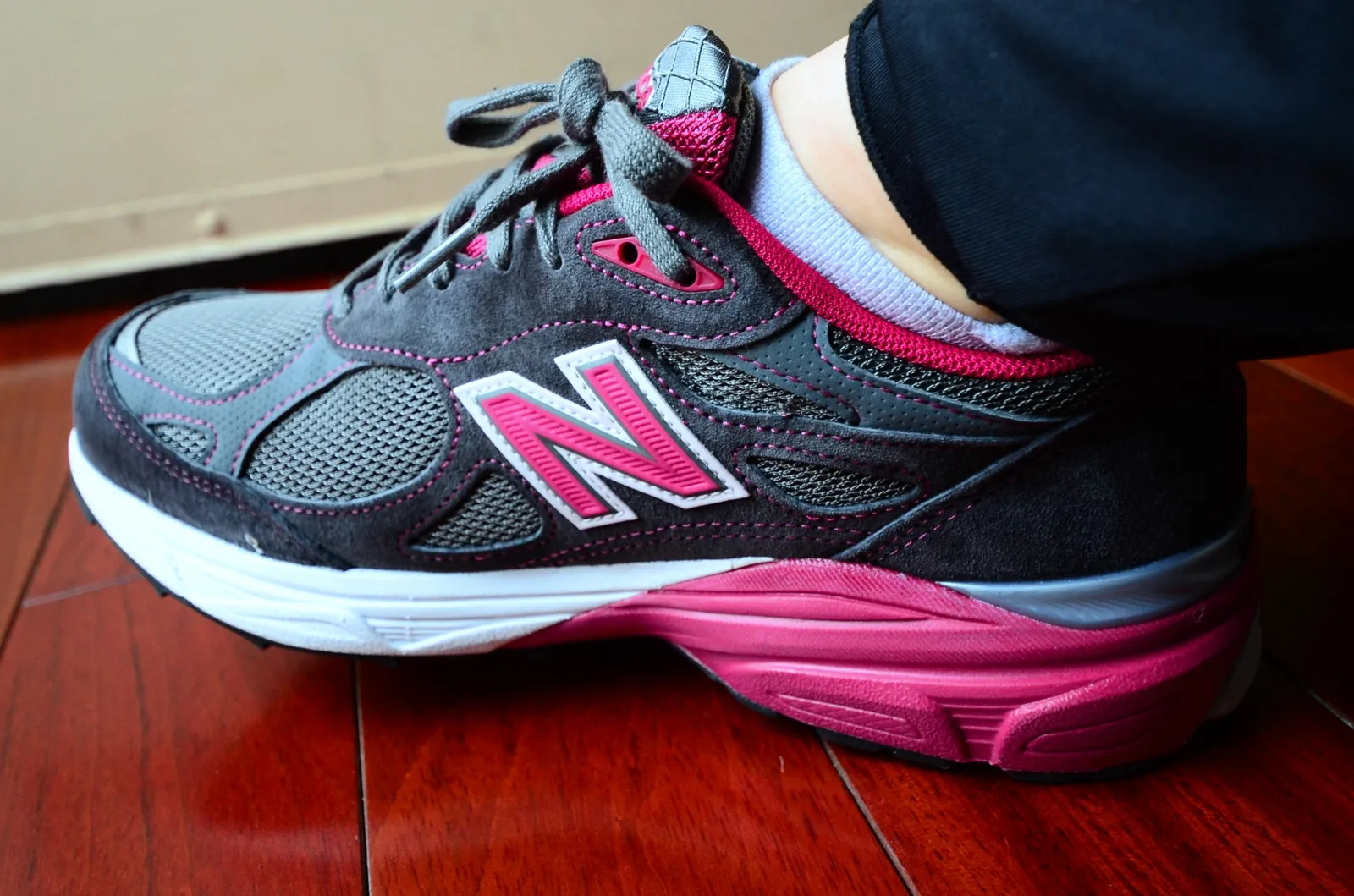
A Fifth Straight Year of Double-Digit Gains (Image Credits: Upload.wikimedia.org)
New Balance posted record global sales of $9.2 billion in 2025, marking a pivotal moment in its rivalry with industry leader Nike.[1][2]
A Fifth Straight Year of Double-Digit Gains
The Boston-based brand delivered its fifth consecutive year of double-digit revenue growth last year, with sales climbing 19 percent from 2024’s $7.8 billion figure.[3] This performance outstripped the broader sneaker market and direct competitors.[1]
North America saw a 20 percent increase, while Europe surged 30 percent year over year.[3] For the first time, the company’s apparel business and owned retail operations each exceeded $1 billion in sales.[4] New Balance opened 80 new stores worldwide, bolstering its direct-to-consumer presence without rigid internal targets.[2]
Overall, revenues have ballooned 180 percent since 2020, reflecting disciplined execution during industry turbulence.[1]
Seizing Shelf Space from Nike’s Pivot
Nike’s shift toward direct-to-consumer sales during the pandemic created gaps on retail shelves that New Balance swiftly occupied.[1] Rivals including Brooks Running, On, and Deckers also expanded into those spaces as Nike prioritized its own channels.[2]
New Balance avoided heavy discounting and selective distribution helped raise its average selling price by about 30 percent over five years.[1] This premium positioning mirrored successful strategies from larger players while filling wholesale voids.
Executives credited weekly global strategy sessions, started amid Covid-19, for accelerating innovation and market responsiveness.[4]
Heritage Styles Meet Modern Appeal
Once mocked as “dad shoes,” New Balance’s chunky 1990s designs captured post-pandemic fashion trends among younger consumers.[1] Lifestyle footwear blended nostalgia with performance upgrades like advanced cushioning foams from the Boston sports research lab.[2]
- FuelCell SuperComp Elite v4 claimed podium spots at the Boston Marathon.
- Made in USA Fresh Foam 1540v4 introduced mismatch sizing for uneven feet.
- Upcoming 5030 sneaker and P400 basketball shoe target expanding categories.
- Apparel scaled globally, aided by a new Asia Design Studio spanning Tokyo, Shanghai, and Seoul.
Domestic manufacturing expansions in New Hampshire and Maine supported these launches.[3]
Athlete Partnerships Boost Credibility
High-profile signings elevated the brand’s performance credentials. Baseball’s Shohei Ohtani earned National League MVP honors in New Balance gear, while tennis star Coco Gauff won the French Open.[3] NFL quarterback Josh Allen and top NBA draft pick Cooper Flagg joined the roster, alongside 13 high school track prospects via NIL deals.[4]
CEO Joe Preston emphasized quality growth: “We’re competitive… but we want to make sure that the quality of our business is first and foremost.”[1] This approach prioritizes consumer choice across channels.
Toward a $10 Billion Future
New Balance eyes $10 billion in annual sales by late 2026, fueled by product expansions and sustained premium focus.[2] Investments in running, basketball, and lifestyle lines promise broader appeal.
Key Takeaways
- 19% sales growth to $9.2 billion in 2025, with strong regional gains.
- Capitalized on Nike’s DTC shift and revived dad shoe trends.
- Athlete deals and innovations position the brand for $10 billion milestone.
The brand’s resurgence underscores adaptability in a shifting market. What strategies will keep New Balance ahead? Tell us in the comments.