Tragic Events Fuel Widespread Outrage (Image Credits: Images.fastcompany.com)
United States – A coordinated general strike swept across all 50 states today, as participants halted work, school, and commerce to protest federal immigration enforcement actions intensified in Minnesota.
Tragic Events Fuel Widespread Outrage
Federal agents fatally shot four individuals in Minneapolis, including Renee Good, Alexi Pretti, Silverio Villegas González, and Keith Porter Jr., prompting a surge in public anger over the Trump administration’s immigration policies.
These incidents followed earlier demonstrations, such as Minnesota’s economic blackout and a national walkout, amplifying calls for resistance against ICE and Customs and Border Protection tactics. A recent Pew Research Center survey found that 69 percent of Americans believe President Trump seeks more authority than his predecessors. Organizers framed the response as a necessary escalation to counter what they described as a reign of terror.
Core Demand: Shut Down ICE Operations
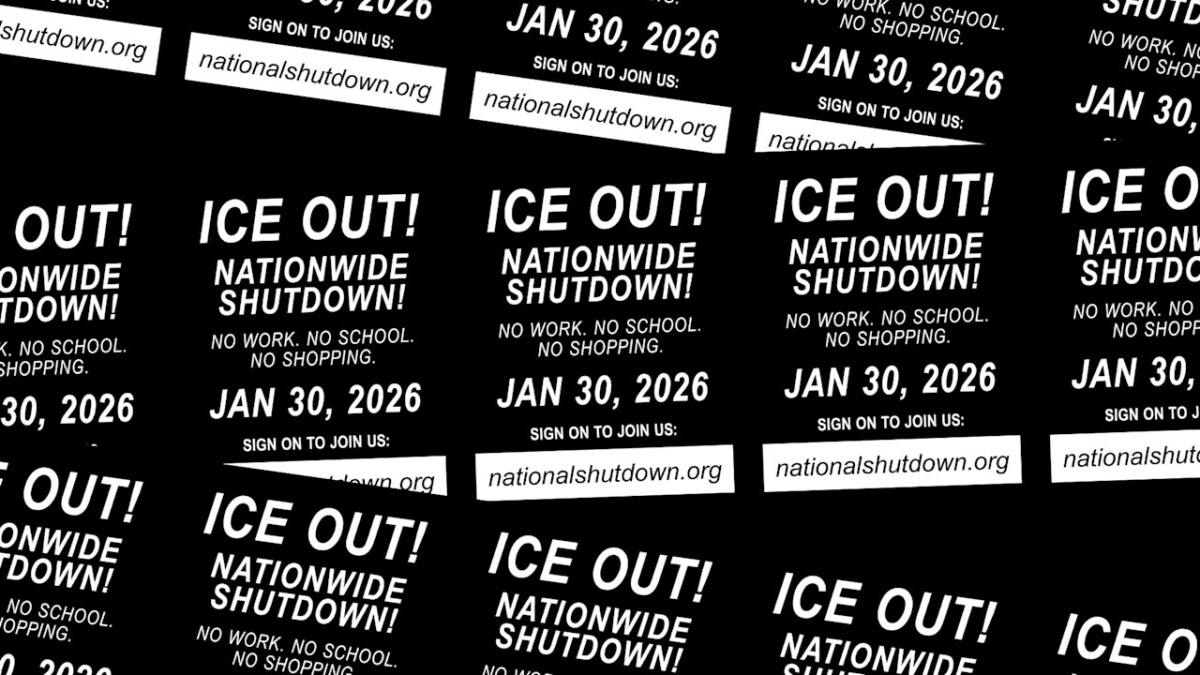
National Shutdown Day, promoted through nationalshutdown.org, urged participants to embrace the slogan “No work. No school. No shopping. Stop funding ICE.”
The effort seeks to pressure Congress to reduce Department of Homeland Security funding amid ongoing budget debates. Protests unfolded at diverse sites, from state capitals like Honolulu to federal buildings in Tucson and Cincinnati. Universities including Stanford, the University of Washington, and Northeastern hosted walkouts, while high schools in Miami joined in. Student groups at the University of Minnesota, such as the Somali Student Association and Black Student Union, led campus actions, emphasizing youth roles in justice movements.
Businesses Stand in Solidarity
Dozens of establishments shuttered doors nationwide, echoing Minnesota’s prior strike. In Portland, Maine, 50 businesses closed; Denver saw multiple restaurants participate; and Los Angeles hosted closures at various eateries.
Other examples included shops in Rochester, New York; outlets in Omaha, Nebraska; and a Las Vegas pizzeria. Owners of Denver’s Sắp Sửa restaurant expressed frustration to local media, stating the community must unite for the vulnerable since external aid seems unlikely. These actions aimed to economically underscore opposition to ICE activities.
- Portland, Maine: 50 businesses and shops
- Denver, Colorado: Several restaurants
- Los Angeles, California: Numerous eateries
- Rochester, New York: Bookstores, coffeeshops, retailers
- Omaha, Nebraska: Local businesses
- Las Vegas, Nevada: Pizza shop
Coalition Drives Momentum
A wide array of groups coordinated the strike, including 50501, ACLU chapters, Defend Immigrant Families Campaign, Council on American-Islamic Relations, North Carolina Poor People’s Campaign, student organizations, labor unions, and immigrant rights advocates.
Prominent figures lent support, with actors Pedro Pascal, Jamie Lee Curtis, and Edward Norton voicing approval. Norton, speaking at a Sundance Film Festival panel, called for expanding Minnesota’s model into a sustained economic strike. New York University professor Scott Galloway echoed demands for prolonged action. Grassroots efforts also planned follow-up “ICE Out of Everywhere” protests for January 31 at detention centers, airports, and congressional offices.
Key Takeaways
- Strike targeted ICE funding and operations after fatal Minneapolis shootings.
- Closures and walkouts spanned businesses, schools, and universities in every state.
- Broad support from activists, unions, and celebrities signals deepening national divide.
This nationwide pause highlights escalating tensions over immigration enforcement, blending economic pressure with street demonstrations. As actions continue into the weekend, the movement tests the limits of public resolve against federal policies. What impact will today’s shutdown have on policy debates?