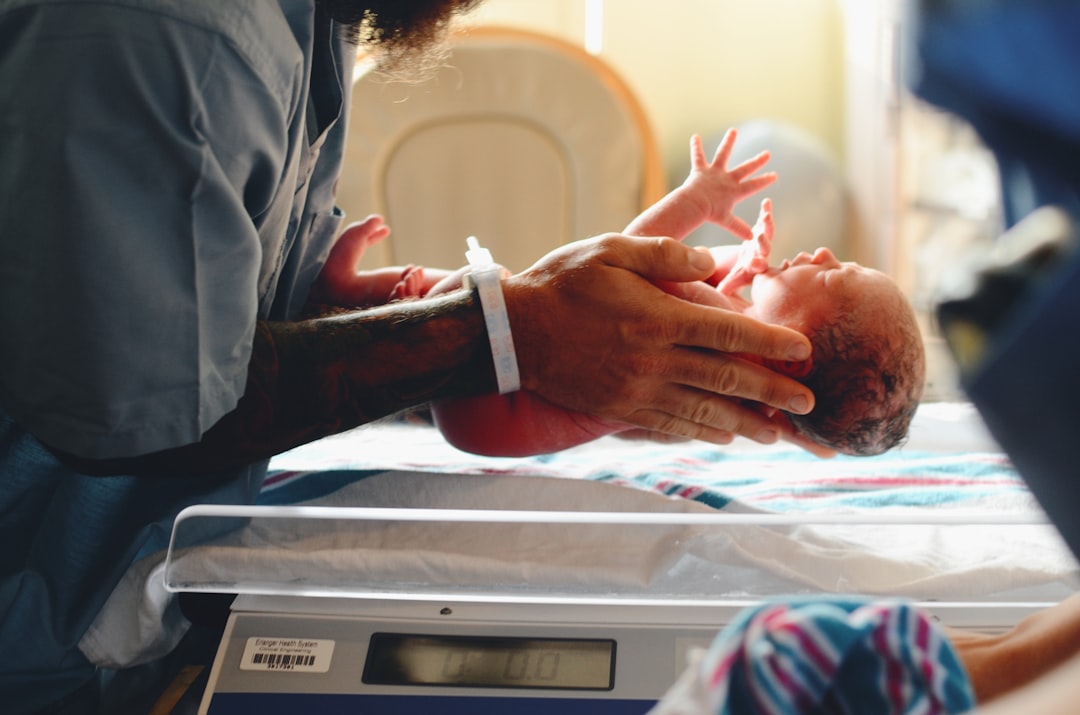


A Desperate Arrival Turns Tragic (Image Credits: Unsplash)
New York City – Under the harsh glow of emergency room lights, a mother arrived at a Manhattan hospital carrying her tiny, unresponsive baby boy, sparking a probe that has now turned into a confirmed homicide.
A Desperate Arrival Turns Tragic
Picture the scene: it’s late November, and chaos erupts as first responders rush to aid a one-day-old infant who’s barely clinging to life. The baby, later identified as John Doe with the surname Santiago-Sanchez, arrived at Columbia University Irving Medical Center via private transport. Pronounced dead shortly after, the initial confusion quickly gave way to deeper questions about what really happened.
Authorities responded swiftly, but the full story wouldn’t emerge for weeks. This wasn’t just a medical emergency; it was the start of something far more sinister, leaving everyone involved reeling from the shock.
What the Autopsy Revealed
The Office of the Chief Medical Examiner dropped a bombshell on December 11, ruling the death a homicide due to fentanyl exposure. At just one day old, this infant’s system was overwhelmed by the deadly opioid, pointing to circumstances no newborn should ever face. Toxicology results painted a grim picture, showing how quickly things spiraled out of control.
Experts note that fentanyl’s potency makes it especially dangerous in accidental or intentional exposures, especially for vulnerable little ones. The ruling shifted the case from possible neglect to outright criminal investigation, demanding answers from those closest to the child.
Police Dive into the Details
NYPD detectives hit the ground running, piecing together the timeline from the 911 call on November 21. Officers arrived at the hospital around 5 p.m., only to find the baby had already passed. Interviews with the mother and witnesses began immediately, focusing on the hours leading up to the drop-off.
Though details remain sparse to protect the ongoing probe, sources indicate the investigation centers on the home environment and any substances present. It’s a meticulous process, sifting through evidence to uncover the truth behind this tiny victim’s final moments.
The Mother’s Story Emerges
The mother, who brought the baby to the hospital herself, has become a key figure in the case. Reports suggest she acted out of panic, but police are scrutinizing her account closely. No charges have been announced yet, yet the homicide classification puts intense pressure on unraveling her role.
Family dynamics often play a part in such tragedies, and here, questions about prenatal care and immediate postpartum events loom large. It’s a reminder of how fragile those first hours of life can be, especially in urban settings like Washington Heights.
Timeline of Events
To make sense of this unfolding drama, here’s a quick breakdown of the key moments:
- November 21, 2024: Mother arrives at 3959 Broadway with unresponsive newborn; baby pronounced dead at hospital.
- Late November: Initial police response and autopsy begin.
- December 11, 2025: Medical examiner officially rules death a homicide from fentanyl exposure.
- Ongoing: NYPD investigation continues, with no arrests reported.
This sequence highlights the gap between the incident and the ruling, a common wait in complex cases like this.
Ripples Through the Community
News of the homicide has stirred unease in Manhattan’s tight-knit neighborhoods, where stories of infant loss hit especially hard. Advocates for child welfare are calling for better support systems, pointing out gaps in maternal health resources. It’s not just a single family’s pain; it’s a wake-up call for the city.
Local groups have rallied, offering counseling and pushing for awareness on opioid dangers around newborns. In a place as fast-paced as New York, these events force a pause, urging reflection on protecting the most innocent.
Key Takeaways from This Case
- Fentanyl’s role underscores the opioid crisis’s reach into homes and hospitals.
- Homicide rulings in infant deaths often reveal hidden risks in everyday settings.
- Swift medical and police action can bring clarity, but prevention starts with community support.
This heartbreaking case serves as a stark reminder of life’s vulnerabilities, especially for the tiniest among us – pushing us to demand better safeguards and empathy in our communities. What do you think could prevent tragedies like this? Share your thoughts in the comments.