

A Childhood Playground Turned Perilous (Image Credits: Unsplash)
Pike County, Ohio – A grieving mother has filed a wrongful death lawsuit against a nuclear energy company, claiming that radioactive contamination from a nearby plant triggered a cascade of health issues that claimed her teenage daughter’s life a decade ago.
A Childhood Playground Turned Perilous
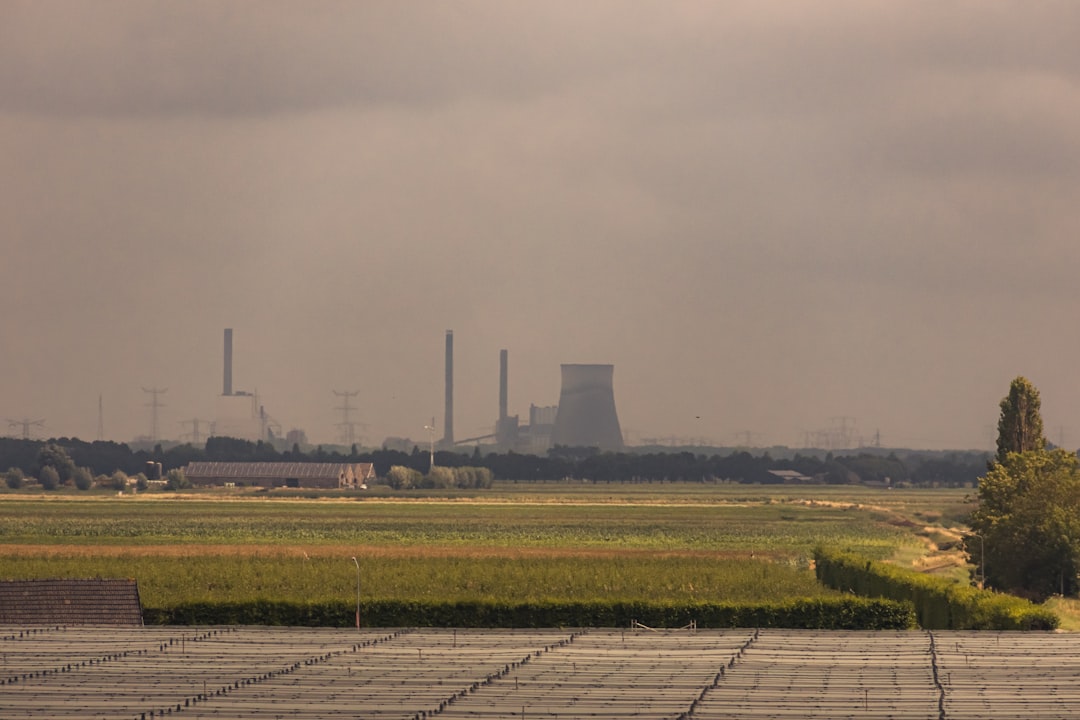
The Portsmouth Gaseous Diffusion Plant, once a hub for uranium enrichment, loomed large in the rural landscape of Pike County. For years, local families, including Julia Dunham and her daughter Cheyenne, lived in close proximity to the facility. Cheyenne, a vibrant 19-year-old at the time of her death in 2015, often played in a nearby creek that the lawsuit alleges carried radioactive contaminants from the plant’s operations.
Julia Dunham became the administrator of her daughter’s estate shortly after the tragedy and initiated the suit against Centrus Energy Corp within two months. Court documents detail how Cheyenne’s innocent activities exposed her to harmful levels of radiation, setting off a rare genetic condition that ravaged her health. The plant had shut down in 2001, but remnants of its environmental impact persisted, according to the complaint.
This case revives concerns about the long-term effects of nuclear sites on surrounding communities, where everyday pastimes like wading in streams could harbor unseen dangers.
The Rapid Onset of a Life-Threatening Condition
Cheyenne’s symptoms emerged suddenly and severely, transforming a routine medical issue into a nightmare. The lawsuit describes how she developed a rare genetic disorder linked to radiation exposure, necessitating a bone marrow transplant to combat failing bone marrow function. Complications arose swiftly during recovery, including a massive 12-inch blood clot lodged in her hip.
As the clot impeded blood flow, Cheyenne’s legs reportedly turned blue from lack of circulation, a harrowing sign of the crisis unfolding. Medical interventions failed to stem the tide, and she succumbed to the transplant-related complications at just 19 years old. The suit attributes this chain of events directly to the radiation absorbed years earlier from the contaminated creek.
Experts in environmental health have long warned about the insidious nature of low-level radiation, which can alter DNA and manifest as severe conditions later in life. In Cheyenne’s case, the progression from exposure to fatality unfolded with heartbreaking speed.
Historical Shadows of the Nuclear Site
The Portsmouth plant’s history stretches back decades, serving as a key component of the nation’s nuclear arsenal during the Cold War. Operations ceased in 2001 amid cost concerns and safety issues, leaving behind a legacy of environmental cleanup efforts that continue today. Centrus Energy, the current operator, has announced plans to revive parts of the facility, aiming to bolster uranium production and create jobs in the region.
Yet, this resurgence has reignited debates over safety protocols and community health risks. Previous lawsuits have targeted the plant for similar allegations of illness and death tied to radiation leaks. Julia Dunham’s action stands as the latest in a series of legal challenges, highlighting unresolved contamination in local waterways.
To understand the scope of potential exposures, consider this timeline of key events:
- 1950s–2001: Plant operates as a major uranium enrichment site.
- 2001: Facility closes, initiating decontamination processes.
- 2015: Cheyenne Dunham dies from alleged radiation-induced complications.
- 2025: Centrus announces revival plans amid ongoing lawsuits.
Implications for Community and Accountability
As Centrus pushes forward with modernization at the site, residents in Pike County express mixed sentiments – hope for economic revival tempered by fears of renewed hazards. The lawsuit demands compensation for Cheyenne’s estate and underscores the need for rigorous monitoring of legacy pollution. Environmental groups have called for independent audits to assess current contamination levels in nearby ecosystems.
Julia Dunham’s pursuit of justice reflects a broader struggle for families affected by industrial legacies. Though the plant’s revival promises opportunities, it also prompts questions about preventive measures to safeguard public health.
Key Takeaways
- Radiation exposure from nuclear sites can lead to rare genetic conditions with fatal outcomes.
- Local waterways near former plants may still pose risks years after closure.
- Lawsuits like this one pressure companies to address historical environmental impacts.
This case serves as a stark reminder of the enduring human cost of nuclear endeavors, urging greater accountability as sites like Portsmouth evolve. What steps should communities take to protect against such hidden threats? Share your thoughts in the comments below.