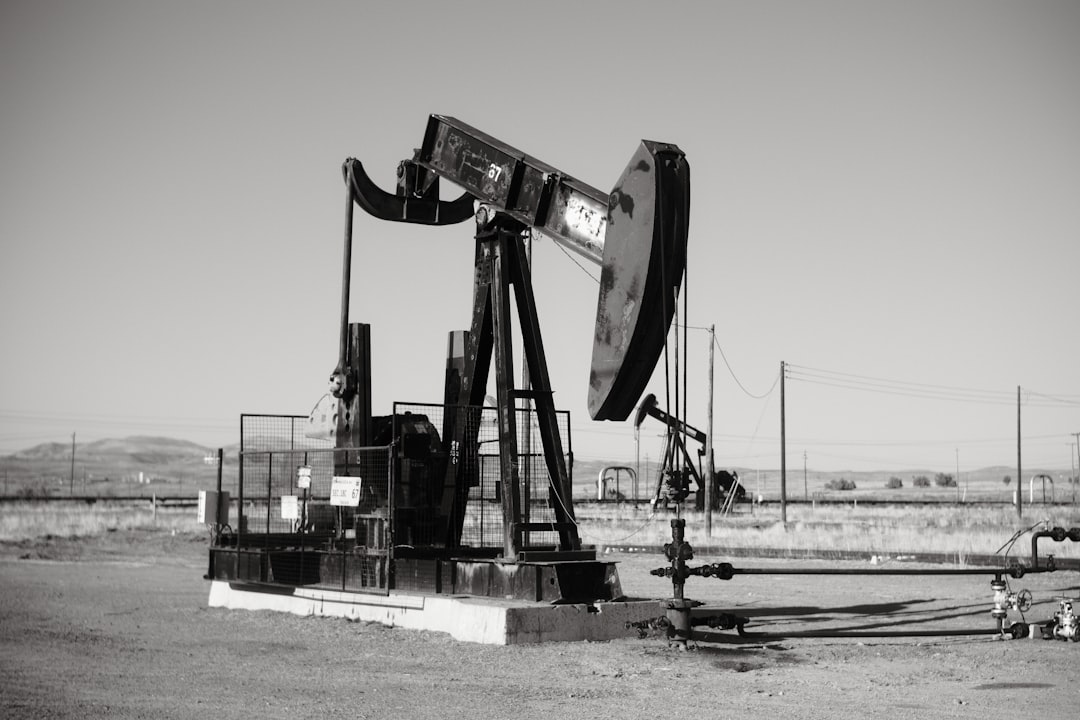


A Record Investment in Politics (Image Credits: Unsplash)
The oil industry’s substantial financial support for Republican candidates in the 2024 elections has sparked discussions about potential rewards in U.S. foreign policy toward Venezuela’s vast oil reserves.
A Record Investment in Politics
The oil and gas sector poured approximately $445 million into the 2024 election cycle, directing the bulk of those funds toward Republican campaigns and committees. This figure fell short of the $1 billion that former President Donald Trump publicly urged industry leaders to contribute during a June 2024 fundraising event in Houston. Industry executives attended the gathering but committed far less than requested, according to reports from political finance trackers. Still, the spending marked a significant escalation from previous cycles, underscoring the sector’s stake in a pro-fossil fuel administration.
Contributions flowed through political action committees, super PACs, and direct donations, with major players like ExxonMobil and Chevron aligning heavily with GOP efforts. This financial muscle helped secure Republican majorities in Congress and Trump’s return to the White House. Analysts noted that such investments often yield favorable regulatory environments and policy shifts benefiting domestic production. The pattern echoed historical trends where energy interests lobbied aggressively for deregulation and tax incentives.
Trump’s Direct Appeal to Energy Leaders
During the Houston event, Trump explicitly called on oil executives to fund his campaign at unprecedented levels, framing it as a mutual benefit for American energy dominance. He promised to roll back environmental restrictions and boost exports if reelected. Attendees included top officials from several major firms, though public pledges remained modest. The solicitation highlighted the close ties between the incoming administration and the industry, setting the stage for policy alignment.
Post-election analyses revealed that the $445 million total included both disclosed and dark money channels, amplifying the sector’s influence without full transparency. Critics argued this blurred lines between private interests and public policy. Supporters, however, viewed it as legitimate advocacy for economic growth. The event’s aftermath saw immediate discussions on international energy strategies, particularly in resource-rich nations like Venezuela.
Venezuela’s Oil Reserves Enter the Spotlight
Venezuela holds the world’s largest proven oil reserves, estimated at over 300 billion barrels, yet production has plummeted due to sanctions, mismanagement, and infrastructure decay under the Maduro regime. Recent U.S. actions, including the arrest of President Nicolás Maduro in late 2025, have opened doors for American companies to reengage. The Trump administration signaled that firms must invest in rebuilding the country’s oil infrastructure to claim compensation for seized assets from prior nationalizations. This approach ties directly to the industry’s long-standing grievances over lost investments in the 2000s.
Reports indicate the White House held private meetings with executives from Chevron, ExxonMobil, and ConocoPhillips to outline expectations for a Venezuelan return. Trump claimed U.S. oil companies stood ready to inject billions into restoration efforts, potentially generating trillions in economic activity. Such moves could alleviate global supply pressures and bolster U.S. leverage in Latin America. However, risks abound, including political instability and legal challenges from ongoing sanctions.
Linking Campaign Dollars to Policy Outcomes
Questions persist about whether the oil sector’s 2024 contributions influenced the aggressive U.S. stance on Venezuela. Posts on social media platforms like X highlighted sentiments that the industry’s support ensured a “field day” for American firms in Caracas, with one lawmaker openly tying economic gains to the intervention. The timing aligns: heavy GOP funding preceded policy pivots allowing indefinite U.S. control over Venezuelan crude sales. Energy Secretary statements affirmed continued seizures of sanctioned tankers, benefiting compliant operators.
To illustrate the potential benefits, consider these key areas of impact:
- Production Revival: U.S. firms could restore output to pre-crisis levels, adding millions of barrels daily to global markets.
- Asset Recovery: Compensation for expropriated properties, valued in the tens of billions.
- Geopolitical Leverage: Strengthened U.S. influence in OPEC decisions and regional stability.
- Domestic Jobs: Indirect boosts through technology transfers and supply chain expansions.
- Revenue Streams: Long-term contracts securing low-cost imports for U.S. refiners.
Democrats have criticized these developments as favoritism, introducing bills to pause energy investments until electoral transparency in Venezuela improves. Yet, the administration maintains the strategy serves national security interests.
Key Takeaways
- The $445 million in 2024 oil contributions heavily favored Republicans, shaping a supportive policy landscape.
- Venezuela’s oil sector offers high-reward opportunities but demands significant upfront investments from U.S. companies.
- Political spending and foreign policy intersections raise ongoing debates about influence and accountability.
As the U.S. navigates its role in Venezuela’s energy rebirth, the oil industry’s electoral investments remind us of the intricate dance between money, politics, and resources. This convergence could redefine global energy dynamics for years, prioritizing American interests amid international tensions. What implications do you see for future elections and foreign policy? Share your thoughts in the comments.