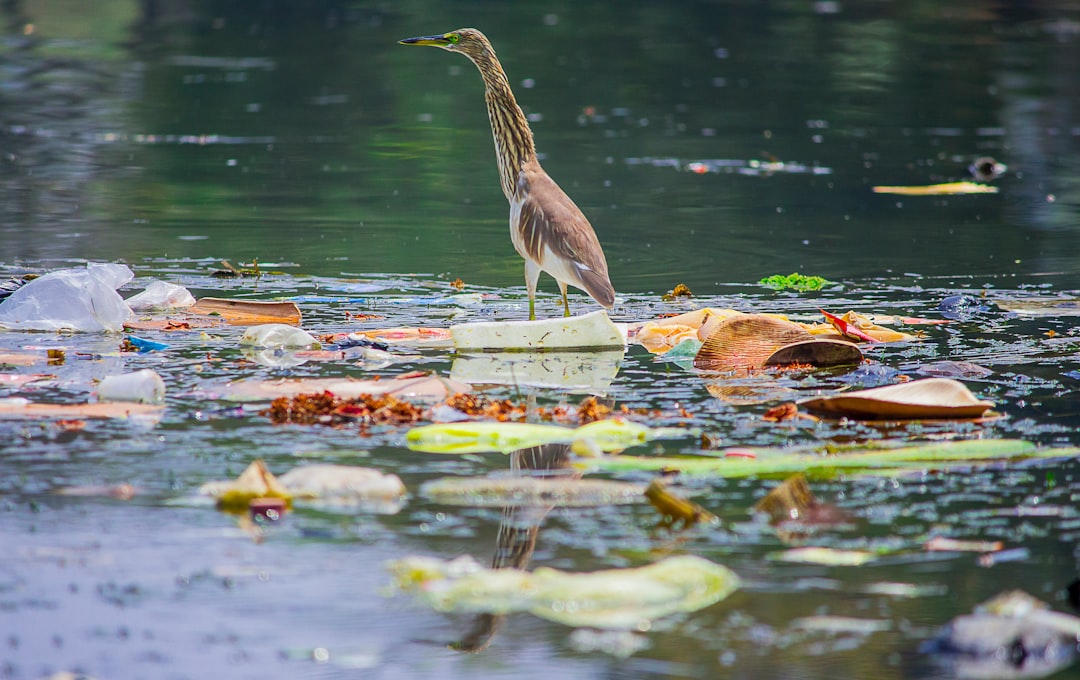
Early Warnings from a Poisoned Well (Image Credits: Unsplash)
Arcadia, Oklahoma – The Boarman family moved into their custom-built home in 2021, eager for a fresh start, but soon confronted drinking water so contaminated it left sores in their mouths and rusted out their appliances.
Early Warnings from a Poisoned Well
Plants in the yard yellowed and died during the summer of 2022, even with consistent watering. Chris and Tammy Boarman detected a salty tang in their tap water from the private well drilled that year. The issue escalated quickly. Ice from their machine emerged in salty clumps that dissolved into an oily sludge with a foul odor.
Fixtures throughout the house corroded rapidly. Bathtubs and faucets accumulated rust and salt buildup. Trees irrigated by sprinklers withered away. The home sat amid an aging oil field, ringed by 26 wells within a half-mile, more than half plugged improperly.[1]
Health Crisis Unfolds for the Boarmans
Sores erupted in the family’s mouths from brushing teeth or drinking the water. They banned their adult children from consuming it during visits and stopped hosting friends out of embarrassment. Tammy stocked bottled water for basic hygiene. The contamination forced them to abandon the well for drinking by summer 2023.
Chris suffered a heart attack in August 2024. Tammy linked it to the pollution’s toll, citing high salt levels or mounting stress. Their doctor noted a potential connection but could not confirm causation. Tests later revealed barium concentrations three times the EPA limit, a metal tied to cardiovascular risks, though officials delayed sharing this news for over a month.[1]
Tests Reveal Widespread Contamination
The family filed a complaint with the Oklahoma Corporation Commission’s oil division in 2023. Inspectors sampled the water repeatedly over two years. Chloride levels soared to nearly 10 times the EPA’s drinking water guideline by early 2024, rendering it unfit even for crops.
An electromagnetic survey in May 2024 mapped a plume of dissolved solids under the property, up to 72 times EPA limits. Neighbors less than a quarter-mile away reported similar issues. Potential sources included nearby injection wells and abandoned operations dumping oil-field brine underground.[1]
Regulatory Hurdles Stall Progress
The McCoon 3 injection well, operated by Callie Oil Co., stood closest to the home. It lacked required records, a protective cement layer, and showed a patched pipe leak at 2,700 feet. Staff recommended deeper checks, but delays persisted until a state senator intervened in late 2024.
Internal debates questioned enforcement costs. Agency leaders floated theories of natural saltwater intrusion. The case closed in March 2025 with no operator held accountable. Officials pointed to the well driller, beyond their oversight. State Senator Grant Green secured $2 million to hook the Boarmans and others to a public water line.[1]
Here are key water test findings:
- Chloride: Up to 10x EPA guideline (2024).
- Barium: 3x EPA limit (late 2024).
- Dissolved solids: 72x EPA recommendation (survey, May 2024).
- High salinity unfit for agriculture.
Key Takeaways
- Oklahoma’s 130,000 private wells tap vulnerable shallow groundwater near old oil sites.
- Regulators tested extensively but stopped short of pinpointing sources.
- State funding provided relief, yet broader pollution lingers unaddressed.
The Boarmans now draw clean water from the rural district, a vital upgrade Tammy called monumental. Their property remains scarred, however, and the episode exposed gaps in oversight for oil-related groundwater threats. For deeper details, read the full ProPublica investigation.[1]
Thousands of homes nationwide rely on similar unregulated wells. Will Oklahoma tighten rules on legacy pollution? Share your thoughts in the comments.