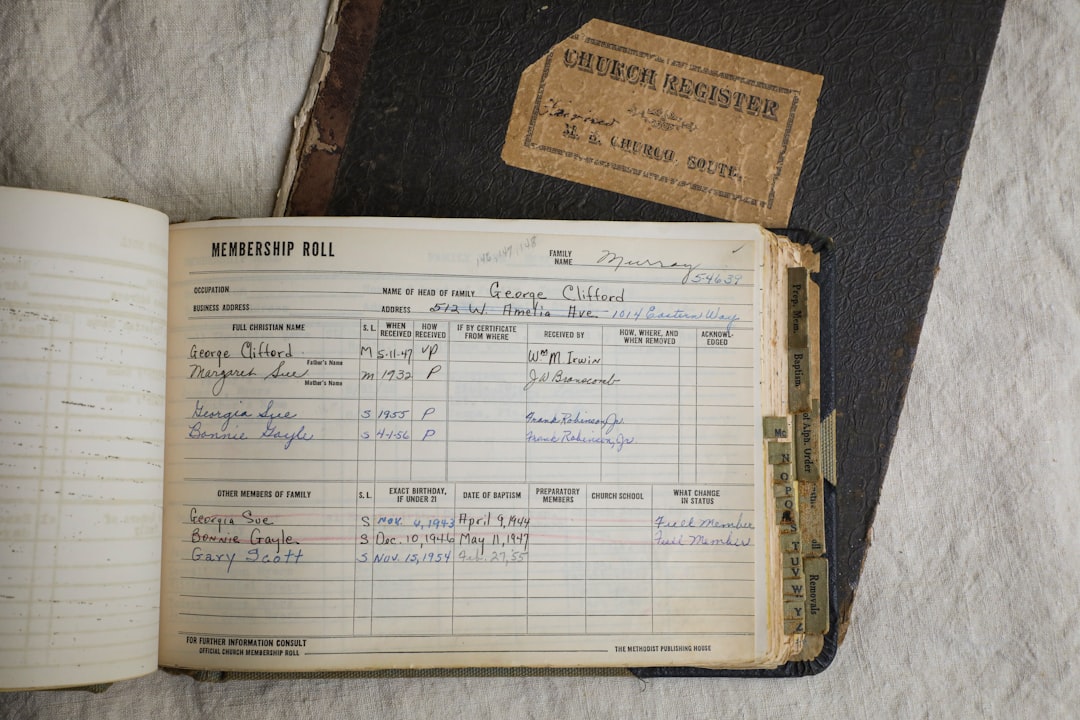
A Surge in Credit Reliance Fuels Its Rise (Image Credits: Unsplash)
Businesses often extend credit to customers or receive goods from suppliers without immediate payment, a practice central to modern financial operations. This method, known as accounting on account, records these transactions under accrual principles to reflect true economic activity. Financial managers rely on it to gain clearer insights into obligations and receivables, supporting strategic decisions amid fluctuating cash flows.[1][2]
A Surge in Credit Reliance Fuels Its Rise
Companies reported a 20% increase in credit sales last year, highlighting the growing dependence on on-account transactions for revenue growth. This shift occurred as markets demanded flexible payment terms to attract buyers. Firms that mastered these entries maintained steadier operations despite payment delays.[1]
The core appeal lies in its alignment with accrual accounting, where revenues appear when earned rather than collected. Suppliers and buyers alike benefit from deferred payments, easing short-term liquidity pressures. Accurate tracking prevents surprises in financial statements, a lesson learned from past economic downturns.
Core Principles That Guide On-Account Practices
Accrual basis forms the foundation, mandating revenue recognition at the point of sale, not cash receipt. The matching principle pairs related expenses with those revenues in the same reporting period. Revenue recognition ensures sales count immediately upon delivery, regardless of payment timing.[1]
Compliance with standards like GAAP or IFRS requires regular adjustments to accounts receivable and payable. Businesses apply these rules through detailed ledger updates and reconciliations. Effective policies also set credit limits based on customer history, minimizing risks.
- Accrual basis: Record earnings when earned.
- Matching principle: Align costs and revenues temporally.
- Revenue recognition: Trigger at performance completion.
- GAAP/IFRS adherence: Standardize reporting.
How Transactions Flow in Daily Operations
A typical credit sale begins with goods delivery, prompting a journal entry that debits accounts receivable and credits sales revenue. For purchases, expenses debit while accounts payable credits, deferring cash outflow. Regular aging reports then categorize overdue amounts, guiding collection efforts.[1][3]
Reconciliation compares internal records against bank statements, resolving discrepancies through adjusting entries. Software tools automate updates, integrating with inventory and invoicing systems. This process ensures balance sheets accurately portray pending obligations.
| Transaction Type | Debit | Credit |
|---|---|---|
| Sale on Account ($10,000) | Accounts Receivable | Sales Revenue |
| Purchase on Account ($5,000) | Expenses/Inventory | Accounts Payable |
Strategic Benefits Outweigh the Challenges
On-account methods enhance cash flow visibility by tracking inflows from receivables and outflows to payables. Decision-makers gain insights for budgeting, spotting trends in payment patterns early. Stronger supplier ties emerge from reliable credit extensions, fostering loyalty.[1]
Compared to cash accounting, which records only upon payment, this approach offers a fuller financial picture but demands diligent monitoring. Bad debt risks decrease through proactive aging analysis and policy enforcement. Overall, it supports scalability for expanding firms.
- Clearer cash flow projections.
- Better budgeting and forecasting.
- Improved stakeholder reporting.
- Reduced bad debt via monitoring.
- Competitive edge through credit offerings.
Applying It Effectively in Real Scenarios
A retailer selling $10,000 in merchandise on 30-day terms debits receivables immediately, boosting the income statement. When payment arrives, receivables debit cash while crediting the receivable account. A manufacturer purchasing $5,000 in materials on account records the liability upfront, matching it to production costs later.[1]
Best practices include weekly reconciliations and software integration for real-time dashboards. Firms analyze aging schedules to prioritize collections, often offering early-payment discounts. These steps turned potential losses into stable revenues for many during recent supply chain disruptions.
Key Takeaways
- Embrace accrual principles for accurate period matching.
- Leverage aging reports to manage risks.
- Integrate software for efficiency gains.
Accounting on account remains a cornerstone for businesses balancing growth and liquidity in competitive markets. It transforms credit from a risk into a revenue driver when handled with precision. What strategies have you implemented for your receivables? Share in the comments.