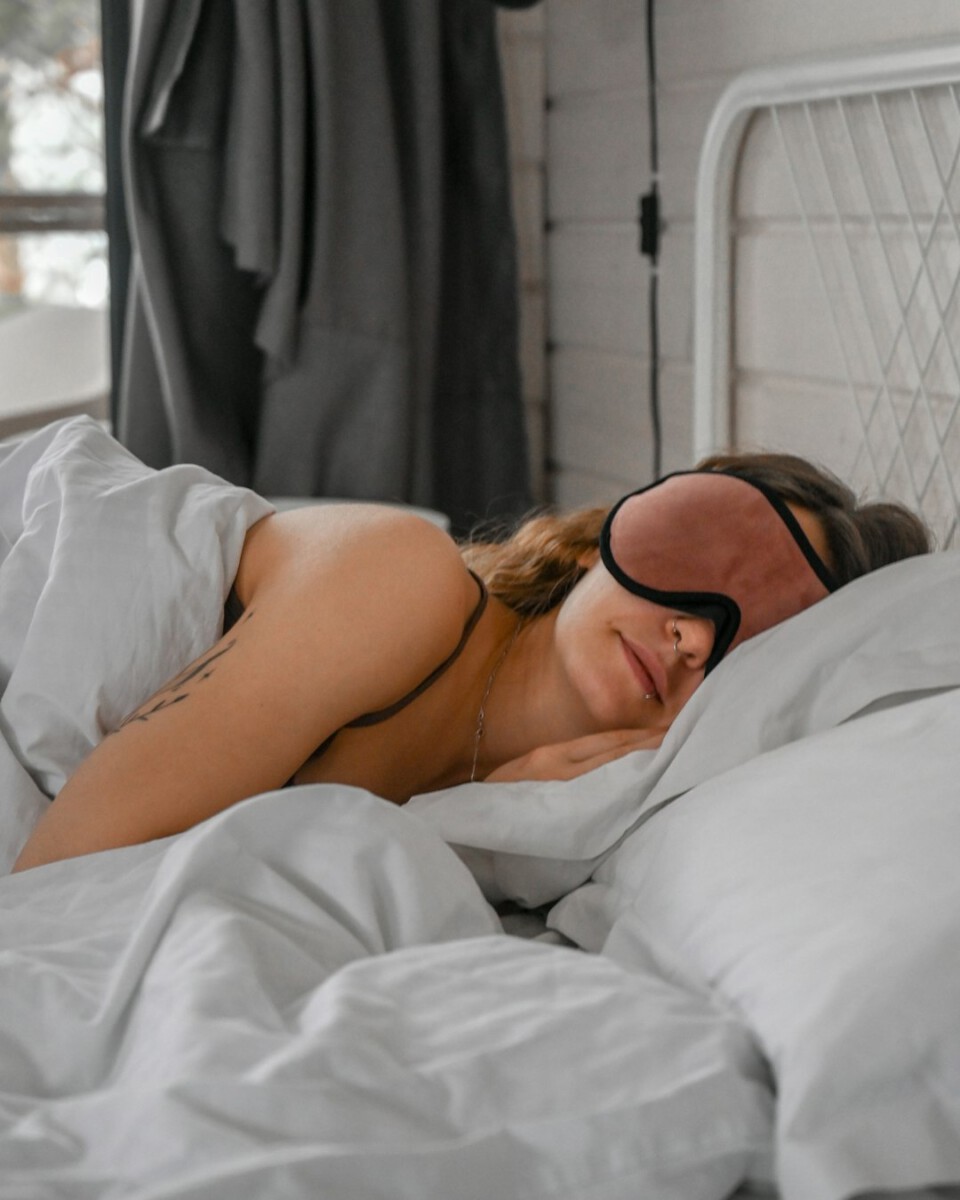
A Refreshingly Simple Alternative to Sleep Gadgets (Image Credits: Unsplash)
Netherlands – Millions grapple with disrupted sleep following daylight saving time shifts, prompting fresh interest in straightforward ways to restore natural rhythms.
A Refreshingly Simple Alternative to Sleep Gadgets
Most people in the United States turn to elaborate tools for improved rest, stocking up on blackout curtains, white noise machines, and silk eye masks. Yet this approach often feels overwhelming. The Dutch offer a stark contrast with their minimalist strategy that requires zero equipment.
Residents in bustling Amsterdam and beyond simply leave bedroom curtains open overnight. Natural morning sunlight gently rouses them, aligning wake times with the body’s internal clock. This practice gained attention during Sleep Awareness Week, highlighting a cultural norm that prioritizes simplicity over gadgets.
How Morning Light Resets Your Biological Rhythm
Research underscores the power of early sunlight exposure. A study revealed that light before 10 a.m. effectively tunes the circadian rhythm, leading to enhanced sleep quality later that night. Johns Hopkins Bloomberg School of Public Health noted similar disruptions from time changes, linking lost sleep to heightened risks of accidents and health issues.
This method avoids reliance on jarring alarms, allowing the sun to signal wake-up naturally. People report feeling more refreshed without the grogginess of artificial wake-ups. The approach mirrors how humans evolved, syncing rest with environmental cues rather than technology.
Dutch Method Versus Popular Sleep Trends
The Dutch technique stands apart from viral alternatives like the Scandinavian sleep method. That Nordic practice addresses temperature control for shared beds by recommending individual blankets per person. Couples find it reduces nighttime disturbances from differing preferences.
While both emphasize practicality, the Dutch focus remains on light exposure, not bedding. Traditional American sleep hygiene leans heavily on darkness and soundproofing, creating a gadget-heavy routine.
| Method | Core Focus | Key Benefit |
|---|---|---|
| Dutch | Natural light | Circadian reset |
| Scandinavian | Separate blankets | Temperature comfort |
| US Hygiene | Gadgets (curtains, masks) | Controlled environment |
Steps to Embrace the Dutch Sleep Practice
Implementing this habit proves straightforward for anyone willing to try. Position your bed near a window if possible, ensuring safety from street-level views. Commit to consistency, even on cloudy days when light remains beneficial.
- Leave curtains fully open before bed.
- Avoid screens an hour prior to lights out to preserve light sensitivity.
- Track sleep patterns for a week to note improvements.
- Combine with a fixed bedtime for optimal results.
- Adjust room placement if morning light proves too intense initially.
Key Takeaways
- Morning sunlight before 10 a.m. boosts sleep quality per recent studies.
- No tools needed – purely leverages nature’s rhythm.
- Ideal post-daylight saving time for quick recovery.
The Dutch method reminds us that less can yield profound gains in rest, cutting through the clutter of modern sleep fixes. Healthier mornings await those who let the sun lead. What do you think about trying open curtains? Tell us in the comments.