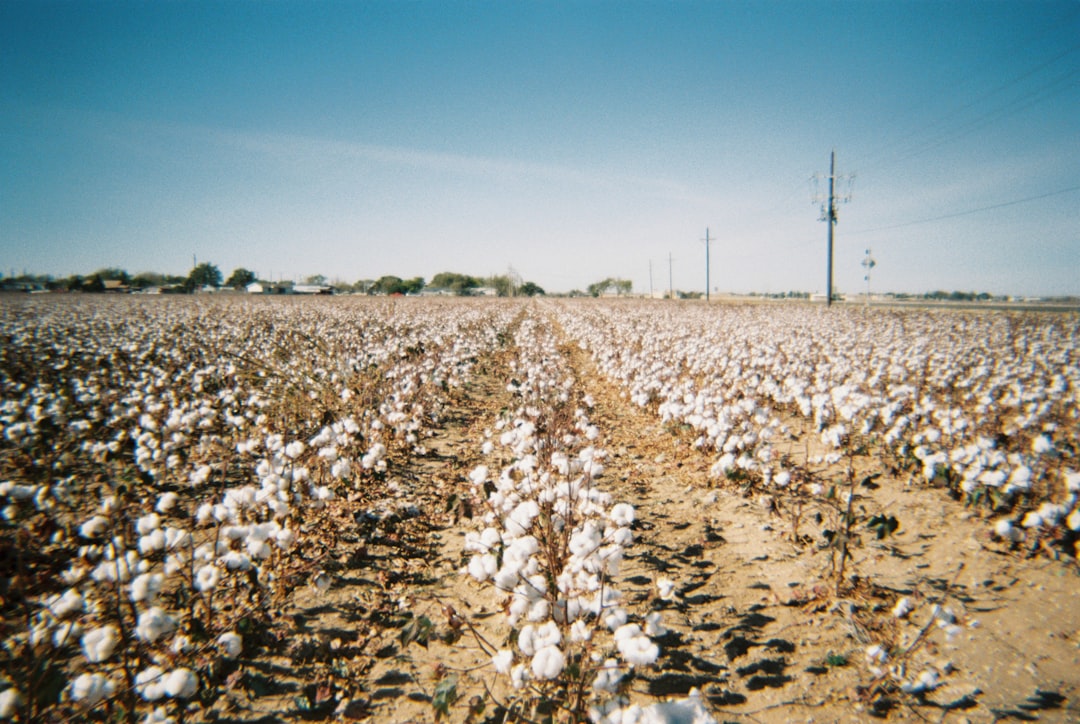
The Promise and Pitfalls of Organic Cotton (Image Credits: Unsplash)
Consumers increasingly seek out organic cotton T-shirts, drawn by promises of pesticide-free farming and reduced environmental harm. Yet, these garments often arrive swathed in layers of single-use plastic, from courier bags to inner polybags, revealing a stark disconnect in the supply chain. This practice highlights a broader tension in the apparel business, where eco-friendly materials meet wasteful packaging, diluting genuine sustainability efforts.
The Promise and Pitfalls of Organic Cotton
Organic cotton emerged as a beacon for ethical fashion, grown without synthetic pesticides or fertilizers, appealing to shoppers wary of conventional cotton’s heavy chemical footprint.[1][2] Brands invested in certifications and life-cycle analyses to back their claims, positioning these T-shirts as superior alternatives. However, the journey from farm to consumer exposed vulnerabilities that undermined these advances.
Production focused on the fiber itself, but overlooked downstream logistics. Factories folded garments into protective polybags to shield against moisture and dust during long hauls from regions like Bangladesh or Vietnam. This step, intended to prevent damage, introduced plastic early in the process.[3][2]
Packaging’s Massive Footprint in Apparel
The fashion sector relied on over 180 billion polybags annually, a figure that underscored the scale of the issue.[2] In the U.K., clothing deliveries involved nearly a billion plastic bags in a single year, while India’s e-commerce generated 98,000 tonnes of such waste in 2021 alone, marking a 73% increase from prior levels.[2] These materials, lightweight and cheap, accumulated into environmental burdens far beyond their individual weight.
Returns compounded the problem, with global rates hovering at 20-30% and reaching 35% in markets like India. Each reversal demanded fresh wrapping, amplifying plastic use and emissions – up to 24 million tons of CO2 yearly from shipping and returns. Less than 15% of this packaging saw recycling, leaving most to landfills or incineration.[2]
Why Plastic Dominates Business Decisions
Executives favored plastic for practical reasons: it cost mere cents per unit in bulk, weighed little to cut shipping fees, and withstood rough handling, rain, and theft. Automated systems in factories and warehouses processed it seamlessly, speeding operations in a fast-paced industry.[2] A stained or ruined shirt incurred higher losses than the polybag’s minimal ecological toll, at least in short-term calculations.
Alternatives like paper or compostable options carried hurdles – two to three times pricier, prone to tearing in humid conditions, and incompatible with existing machinery. Consumers demanded low prices and swift delivery, pressuring brands to maintain the status quo. This setup prioritized efficiency over long-term planetary health, echoing critiques that systems favored convenience.[2]
Shifting Toward Real Solutions
Some companies began experimenting with change. Brands adopted recycled paper mailers, cornstarch-based compostables, or even reusable cloth options, reporting higher customer satisfaction.[2] Initiatives included mono-material designs for easier recycling and partnerships with waste handlers. One approach involved QR codes on packages to guide proper disposal, bridging education gaps.
- Switch to kraft paper pouches, recyclable and waterway-safe if discarded improperly.
- Pilot reusable packaging systems to cut single-use needs.
- Design minimal wraps that decompose in months, like bioplastics from seaweed.
- Collaborate across supply chains for shared recycling infrastructure.
- Optimize folding and protection to eliminate inner polybags.
Cotton itself offered advantages over synthetics, avoiding microplastic shedding during washes – unlike polyester, which contributed vastly more to ocean pollution.[4] Apparel generated 8.3 million tons of plastic pollution in 2019, mostly from synthetics, while cotton’s share stayed under 1%.[4]
Key Takeaways
- Plastic packaging accounts for 46% of global plastic waste, dwarfing fabric impacts.
- Returns multiply waste; reducing them through better sizing or policies helps.
- True sustainability demands logistics overhaul, not just organic labels.
Fashion businesses stood at a crossroads: cling to plastic efficiencies or invest in holistic reforms for credible green credentials. The trail left by a single polybag could outlast the T-shirt it protected by centuries, urging a rethink. What steps will brands take next to align actions with eco-promises? Share your thoughts in the comments.