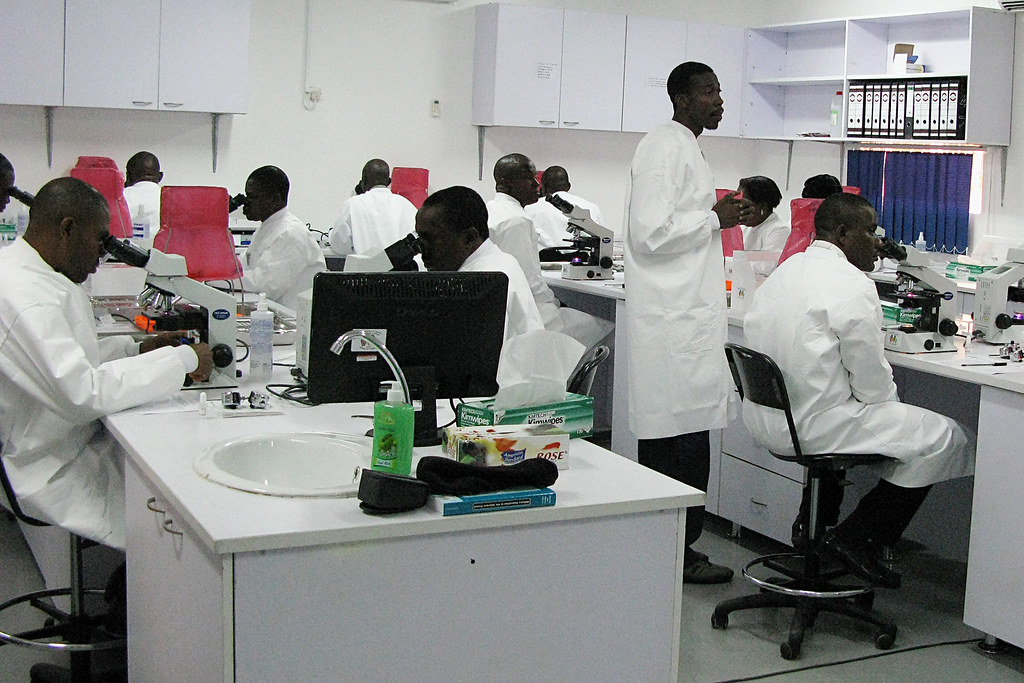
Staggering Scale of Errors Revealed (Image Credits: Flickr)
A groundbreaking analysis has exposed significant flaws in tuberculosis diagnosis, affecting millions worldwide each year.
Staggering Scale of Errors Revealed
Researchers estimated that in 2023, approximately 2.05 million individuals received false-positive TB diagnoses, while 1 million cases went undetected among those seeking care for respiratory symptoms.[1][2]
The study, published in Nature Medicine, examined data from 111 low- and middle-income countries reported to the World Health Organization.[1] It employed Bayesian modeling to account for imperfect test sensitivities and specificities, revealing that up to a quarter – or more – of those treated for TB may not have the disease. Tuberculosis already claims about 1.23 million lives annually and infects roughly 10 million people, reclaiming its status as the top infectious killer after COVID-19.[2]
These figures underscore a blind spot in TB efforts, where overdiagnosis coexists with underdiagnosis.
Diagnostic Tools and Practices Fall Short
Most TB diagnoses depend on sputum samples analyzed for the bacterium, but tests like microscopy often miss cases due to low sensitivity.[2]
Polymerase chain reaction tests offer higher accuracy, yet more than a third of diagnoses in resource-limited settings rely solely on clinical judgment – symptoms such as persistent cough, weight loss, and night sweats.[2] Health workers, familiar with older methods, sometimes prioritize intuition over newer tools. Human error compounds these limitations, especially in remote areas lacking advanced equipment.
- Sputum microscopy: Affordable but insensitive, prone to false negatives.
- PCR-based tests: More precise, yet not universally available.
- Clinical diagnosis: Common in low-resource settings, increasing false positives.
- Xpert MTB/RIF: Rapid molecular test, improving access but still underutilized.
Severe Repercussions for Patients
False positives expose healthy individuals to months of harsh TB drugs, risking liver damage, nausea, and other side effects, alongside stigma and lost wages.[2]
Worse, they delay treatment for true ailments like pneumonia, lung cancer, or chronic obstructive pulmonary disease. A Brazilian study found such patients nearly twice as likely to die during follow-up compared to correctly diagnosed ones.[2] Meanwhile, missed cases allow the disease to spread unchecked, endangering communities. “Some people who have false positive diagnoses actually have some quite serious conditions that would benefit from prompt diagnosis and treatment,” noted study co-author Nicolas Menzies.[2]
Expert Views and the Path Ahead
The research has sparked debate. Dr. Marcel Behr praised it for addressing understudied false positives, while Dr. Lucica Ditiu warned against eroding trust in clinical diagnosis.[2] “If the purpose of the paper is to say that we need better tools, better diagnostics – that, I think, is spot on,” Ditiu said.
Solutions include expanding access to molecular tests, retraining clinicians, and developing superior diagnostics. For deeper insights, see the full study in Nature Medicine.[1]
- Over 3 million diagnostic errors yearly hinder TB control efforts.
- Imperfect tests and clinical reliance drive false positives and negatives.
- Urgent need for innovative diagnostics and global training.
As tuberculosis persists as a global threat, accurate diagnosis emerges as a pivotal battleground. Strengthening tools and practices could save lives and resources – what steps should health leaders prioritize next? Share your thoughts in the comments.