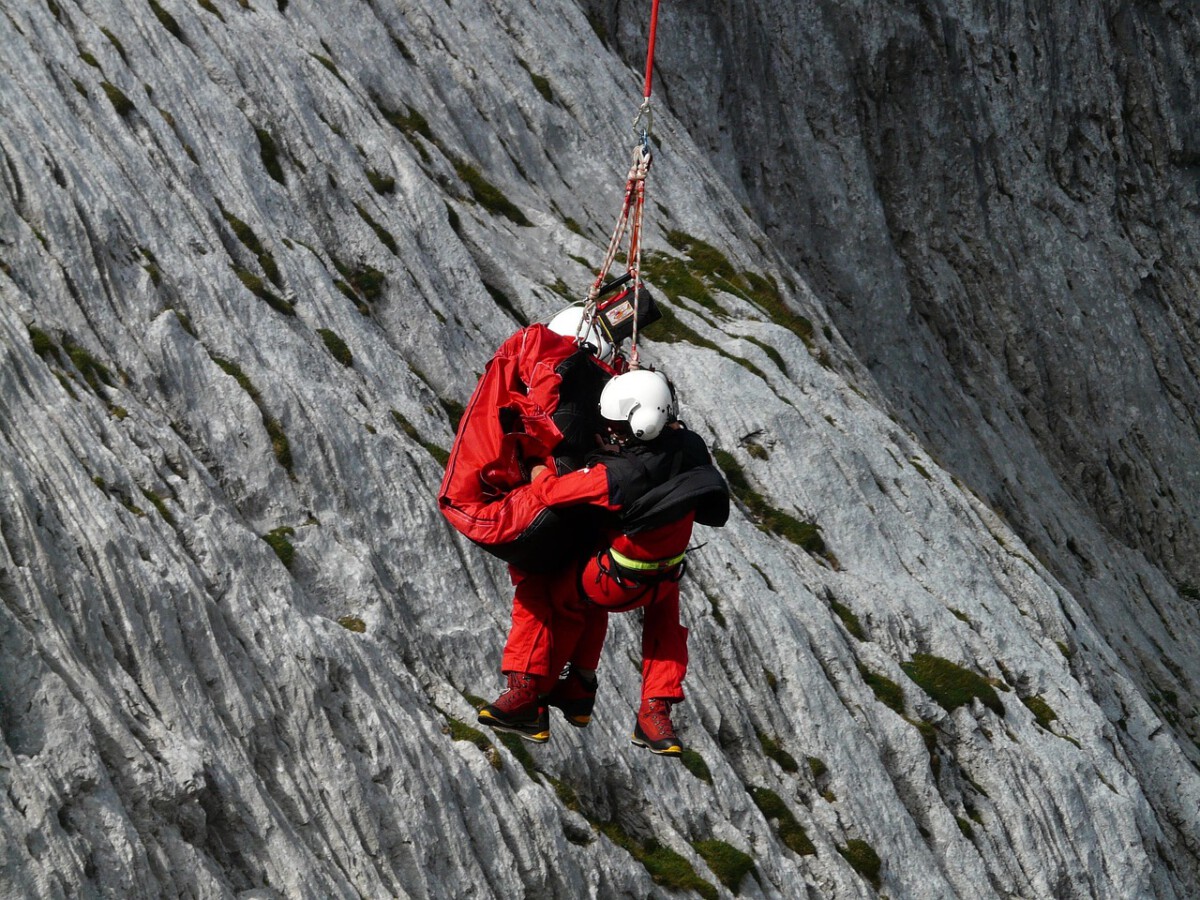
Guides’ Sinister Plot to Engineer Emergencies (Image Credits: Pixabay)
Nepal – A multi-year fraud scheme has cast a shadow over the world’s highest mountain, where guides allegedly sickened foreign trekkers to trigger unnecessary helicopter evacuations and phony hospital treatments. Authorities uncovered the operation, which bilked international insurers out of nearly $20 million between 2022 and 2025.[1][2] Nepal Police’s Central Investigation Bureau detailed how trekking agencies, helicopter firms, and Kathmandu hospitals colluded in the deception, preying on climbers’ vulnerabilities at high altitudes.
Guides’ Sinister Plot to Engineer Emergencies
Trekkers heading to Everest Base Camp faced more than harsh weather and thin air. Guides reportedly laced food with baking powder or baking soda to provoke severe stomach distress that mimicked altitude sickness.[1] Others pushed excessive doses of Diamox, an altitude medication, paired with too much water to amplify symptoms.
Once climbers fell ill, pressure mounted for immediate helicopter lifts. In some instances, trekkers even collaborated, feigning sickness to skip grueling descents. Forged documents then justified the high-cost flights and hospital stays, turning desperation into profit.[3]
The Web of Complicit Businesses
The scam relied on a tight-knit network spanning multiple sectors. Helicopter operators logged flights with fake manifests, listing solo passengers even when helicopters carried groups – allowing claims at full charter rates of up to $12,000 per person.[1]
Hospitals churned out bogus discharge summaries using digital signatures from uninvolved doctors. Commissions flowed freely: facilities kicked back 20-25% to agencies and operators. Trekking firms reaped referral fees from inflated invoices.
- Mountain Rescue Service: 171 fake rescues out of 1,248 flights, $10.31 million claimed.[1]
- Nepal Charter Service: 75 fraudulent cases from 471 flights, $8.2 million.[2]
- Everest Experience and Assistance: 71 suspicious rescues from 601 flights, $11.04 million in claims.[1]
Era International Hospital pocketed over $15.87 million from these schemes, while Shreedhi International Hospital took in more than $1.22 million.[3]
Millions Drained from Insurers Worldwide
| Entity | Fake Rescues | Amount Claimed |
|---|---|---|
| Mountain Rescue Service | 171 | $10.31M |
| Nepal Charter Service | 75 | $8.2M |
| Everest Experience and Assistance | 71 | $11.04M |
| Era International Hospital | N/A | $15.87M |
The operation ensnared 4,782 international climbers, mainly from nations like the UK, Australia, Canada, and Germany.[3] Insurers struggled to verify claims from remote Nepal. One stark example involved four tourists on a single flight billed separately for $31,100 in rescues plus $11,890 in hospital fees.
CCTV footage later revealed supposed patients sipping beer in hospital cafes during their “treatment.” An office assistant at Shreedhi even recycled his own year-old X-ray for foreign claims.[1]
From 2018 Exposé to 2026 Charges
The Kathmandu Post first spotlighted the racket in 2018, prompting a government probe that fizzled. Complaints from Canadian trekkers and a citizen group revived it in 2025.[1] On March 12, 2026, police charged 32 suspects – including company chairmen like Rabindra Adhikari of Nepal Charter Service and doctors – with organized crime offenses. Nine arrests followed; others remain at large.
Manoj Kumar KC, head of the Central Investigation Bureau, attributed the scam’s persistence to weak enforcement. “The scam continued due to lax punitive action,” he stated. “When there is no action against crime, it flourishes.”[1] Shreedhi’s Dr. Girwan Raj Timilsina admitted, “My hospital has also given commission from its earnings to trekking companies and rescue companies to promote business.”
Key Takeaways
- Guides induced illnesses with baking soda or excess medication to fake altitude sickness.
- A network of over 300 fake rescues generated nearly $20 million in fraudulent claims.
- 32 charged in March 2026, exposing flaws in Nepal’s adventure tourism oversight.
This betrayal erodes trust in one of adventure travel’s crown jewels. Climbers now question who truly has their back on the roof of the world. What do you think about this scandal? Tell us in the comments.