

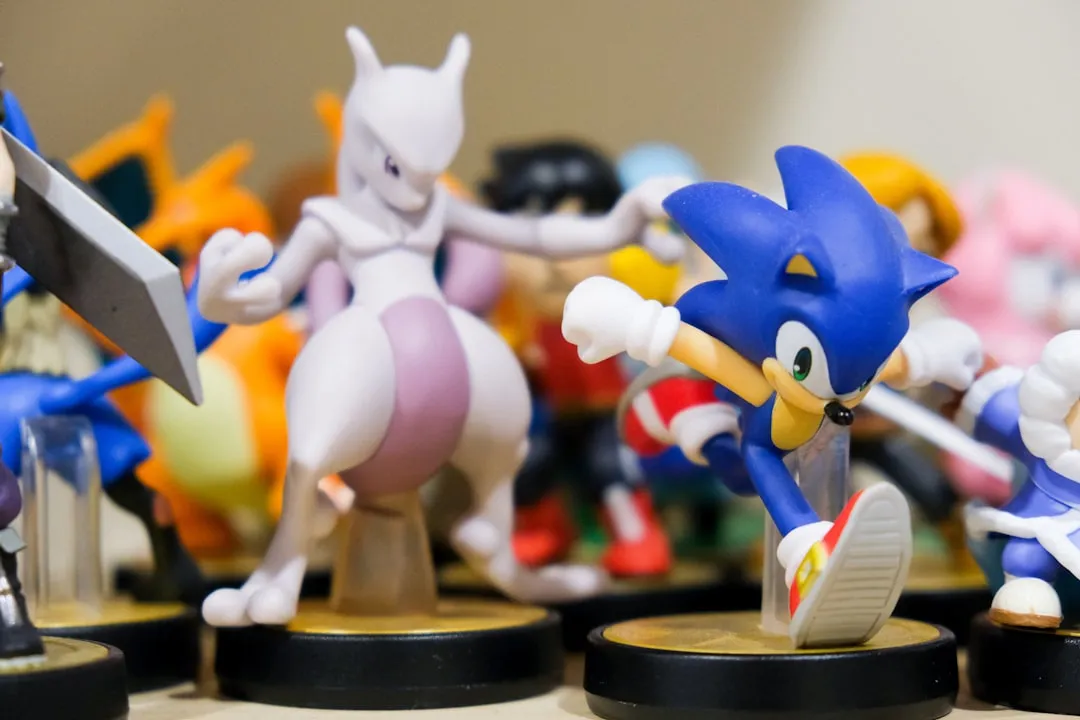
Characters That Capture Hearts and Minds (Image Credits: Unsplash)
The Pokémon franchise celebrated three decades since its 1996 launch in Japan with Pokémon Red and Green on the Nintendo Game Boy, expanding into a worldwide empire of games, television, and collectibles that draws in fans across generations.
Characters That Capture Hearts and Minds
Strong character design stands at the core of Pokémon’s endurance, according to experts in game development.
Heather Cole, a teaching assistant professor of game design at West Virginia University, highlighted how the franchise excels in world-building through its creatures. “I think the longevity of it has to do with the characters and world-building it does with the characters,” she noted. Devoted followers echo this view. Benson Lu, a 26-year-old from a Los Angeles suburb, immersed himself daily in Pokémon Go for a decade, tuned into the animated series weekly, and frequented local shops for trading card battles. His collection exceeded $70,000 in value. Lu confessed he could not recall a day without thinking about Pokémon.
Trading Cards Ignite a Frenzied Market
One Pokémon card shattered records when social media influencer Logan Paul sold it for $16.5 million.
The Pikachu Illustrator card, graded a perfect 10 by Professional Sports Authenticator after Paul acquired it for $5.3 million, symbolized the skyrocketing demand. Services like Beckett Grading and PSA evaluate cards on a 1-10 scale, with top scores commanding premium prices. Adam Corn, owner of Overdose Gaming Inc., purchased a house last year using profits from his Pokémon cards. “Pokémon almost always appreciates in value over time,” Corn observed. “So it’s just a really good place to put your money in my opinion, better than a lot of other assets.” Enthusiasts pursued packs at $5 for 10 randomized cards or sought specific rares at higher secondary-market costs. Yet outcomes varied; 17-year-old Aiden Zeng once invested $1,000 in packs that resold for just $60.
Thefts and Scalpers Test the Hobby
Burglaries plagued trading card stores amid the boom, with losses reaching hundreds of thousands of dollars.
Thieves targeted shops in Southern California, including a second hit on Do-We Collectibles in Anaheim where they took over $80,000 worth last Tuesday. Similar incidents struck locations in Los Angeles and New York, even leading to armed robberies of collectors. Store owner Duy Pham lamented the shift driven by robbers and scalpers. “The hobby will never be the same,” he said. “It’s rougher for collectors and players. It’s hard for us to get anything.” Pham’s experience underscored how financial allure complicated access for genuine fans. Meanwhile, younger collectors like Zeng, who memorized move sets, regions, and lore for favorites such as Black Kyurem, persisted despite setbacks.
Nostalgia Bonds a Global Community
A fresh wave of interest swept high schools, where students adorned phone cases with holographic cards.
Zeng observed this resurgence in Toronto. Creator Satoshi Tajiri drew inspiration from his childhood pastime of capturing insects near his Tokyo suburb home, birthing thousands of fantastical species. Lu emphasized emotional ties over profits, cherishing nostalgia from his youth and bonds formed through events. He spent a full Saturday at Pasadena’s Rose Bowl event, hunting Pokémon in augmented reality alongside thousands. “I’ve liked Pokémon ever since I was a kid,” Lu shared. “And I still like it the same amount.” Such dedication highlighted the franchise’s role in fostering lasting connections.
Pokémon’s blend of inventive design, investment potential, and communal joy explains its three-decade run. What keeps you coming back to the world of Pokémon? Share your thoughts in the comments.
Key Takeaways
- Superior character and world-building drives Pokémon’s appeal across 30 years.
- Trading cards deliver strong returns but spark thefts and supply issues for fans.
- Nostalgia and events sustain a vibrant, multigenerational community.