Shutdowns Expose Vulnerabilities in Federal Screening (Image Credits: Images.fastcompany.com)
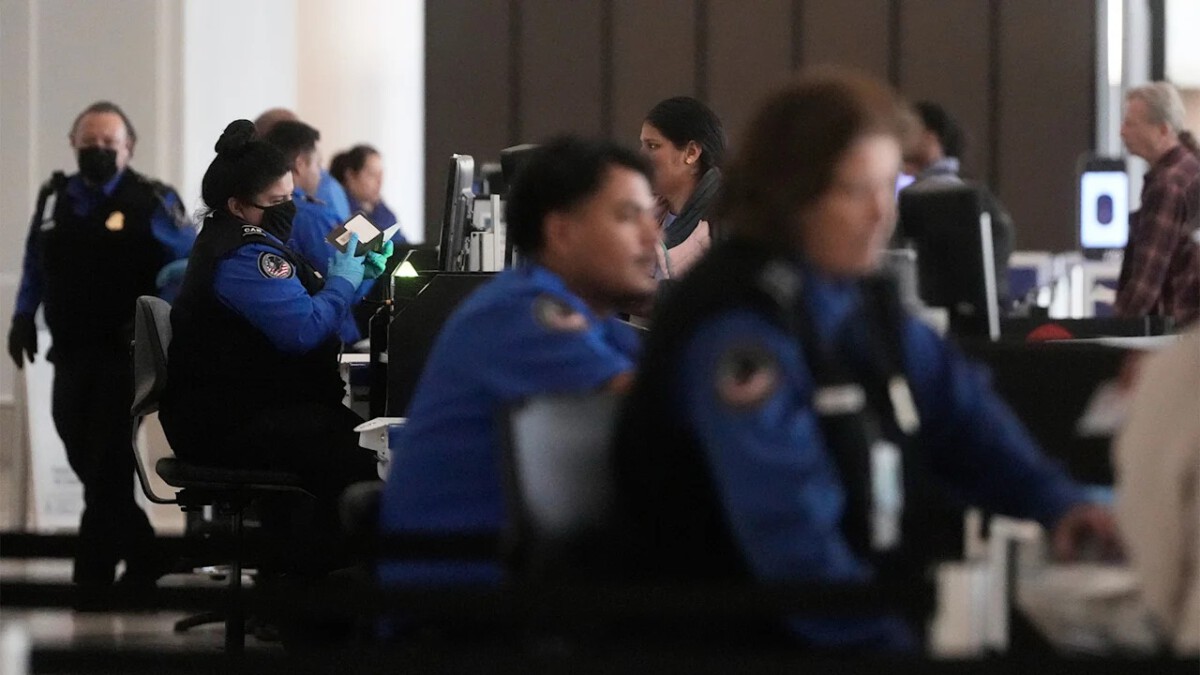
Persistent staffing issues at Transportation Security Administration checkpoints have led to extended wait times at several major U.S. airports during recent government disruptions.
Shutdowns Expose Vulnerabilities in Federal Screening
Travelers encountered security lines stretching into baggage claim and parking areas at various airports over the weekend, signaling broader challenges amid the ongoing partial government shutdown.
Federal TSA screeners, unpaid during such lapses, continued to report for duty, but absenteeism rose as the impasse lengthened. This pattern echoed previous incidents, including a 43-day shutdown the prior year that strained operations nationwide. The current halt, centered on Department of Homeland Security funding disputes, marked the third in under a year affecting the agency. Spring break travel volumes amplified the pressure on already busy terminals.
A Model That Defied the Disruptions
San Francisco International Airport maintained smooth operations through a federal program outsourcing screening to private contractors under TSA supervision.
Contractor payments, drawn from pre-allocated federal funds, flowed uninterrupted during shutdowns. SFO spokesperson Doug Yakel highlighted this stability to the Associated Press, noting it positioned the airport favorably. The facility, a top-15 U.S. hub by passenger traffic and a key United Airlines base, handled international and domestic flows without the typical delays. Aviation security expert Sheldon Jacobson, who helped design TSA PreCheck, called SFO a “litmus test” proving privatization’s viability at scale.
“If SFO is the litmus test for delivering this privatized product, then many other airports can do it, too,” Jacobson said.
Inside the Screening Partnership Program
The TSA initiative lets select airports employ government-vetted private firms for checkpoint duties while the agency enforces standards, training, and background checks matching federal levels.
- San Francisco International Airport
- Kansas City International Airport
- Atlantic City International Airport
- Orlando Sanford International Airport
These sites represent a fraction of the roughly 400 commercial airports nationwide, most of which depend on direct TSA hires. Proponents argue expansion could insulate security from fiscal gridlock. Critics, however, question scalability and uniformity.
Opposition from Workers and Watchdogs
The American Federation of Government Employees, representing TSA officers, rejected privatization outright.
“We will never advocate for any privatization of any federal employees. We don’t believe that’ll work,” said Johnny Jones, secretary-treasurer of the union’s bargaining unit. Labor leaders warned of eroded protections, lower wages, and inconsistent standards across contractors. Post-9/11 federalization aimed to unify security after lapses exposed by the attacks, they noted. Airline analyst Henry Harteveldt emphasized upholding stringent protocols regardless of the model.
Alternative Fixes and Future Prospects
Industry advocates, including the U.S. Travel Association and Airlines for America, pressed Congress for laws guaranteeing pay during shutdowns.
“Every time Washington fails to fund the government, these essential workers pay the price. So do travelers. So does the economy,” stated Geoff Freeman, the association’s president. Republican proposals like the “Abolish TSA Act” sought full privatization with federal oversight. TSA officials expressed openness to reforms, with a senior leader affirming “nothing is off the table.” SFO adopted its system over two decades ago for efficiency, uncovering shutdown resilience as a bonus.
Key Takeaways
- Privatized airports avoided disruptions during recent shutdowns due to pre-funded contracts.
- Only a handful of U.S. airports use the program, but experts see potential for larger hubs.
- Unions fear job losses and security inconsistencies, while industry eyes pay guarantees.
Privatization promises steadier security but hinges on balancing efficiency with safeguards – what path will resolve these travel headaches? Share your thoughts in the comments.