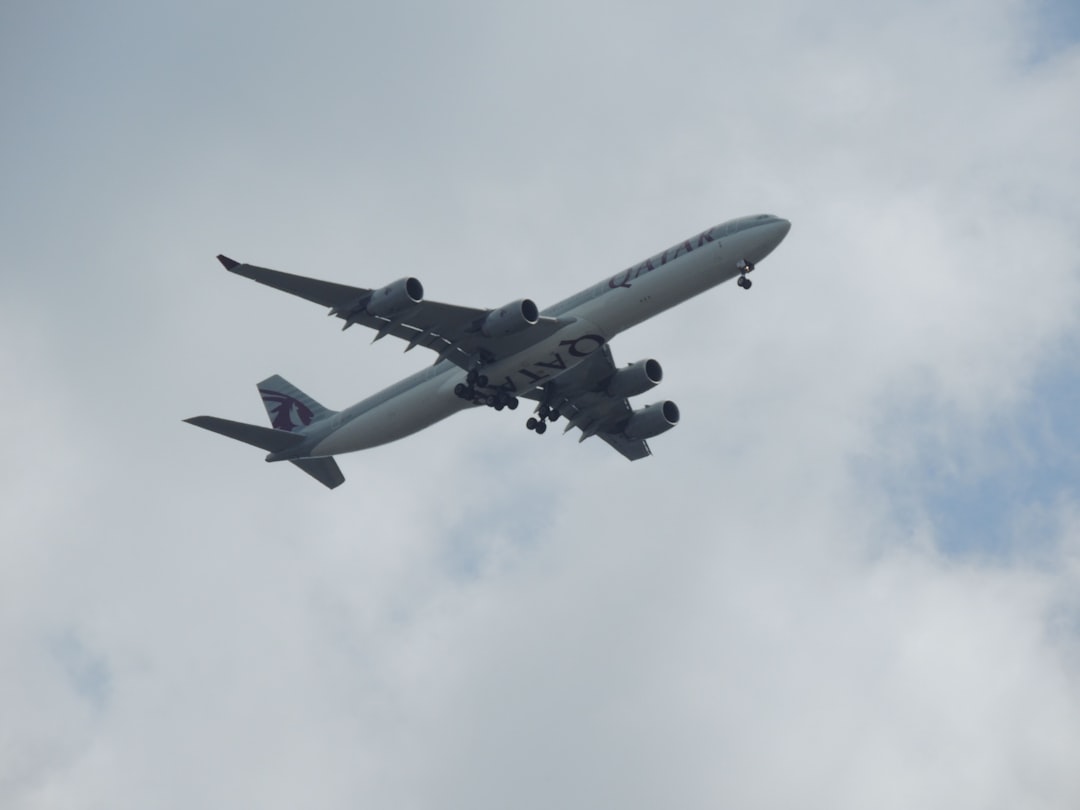


Recent Air Force One Glitch Highlights Urgent Need (Image Credits: Unsplash)
Washington, D.C. – A Boeing 747 jumbo jet donated by Qatar stands ready to bolster the U.S. presidential fleet, with the Air Force confirming delivery for Air Force One duties as early as this summer.
Recent Air Force One Glitch Highlights Urgent Need
President Trump’s journey to the World Economic Forum in Davos faced disruption this week when Air Force One encountered a minor electrical issue shortly after takeoff. The aircraft turned back to Joint Base Andrews, forcing a switch to a backup plane. Journalists aboard noted brief cabin light failures, underscoring vulnerabilities in the aging fleet. Such incidents have intensified focus on replacement options. The Qatar donation emerges as a timely solution amid these operational hiccups.
White House Press Secretary Karoline Leavitt referenced the incoming jet during briefings on the turnaround, drawing attention to its potential role. The event delayed Trump’s schedule but proceeded without further complications via an alternative aircraft. Officials described the problem as routine maintenance-related, yet it spotlighted broader fleet modernization pressures.
Background on the High-Profile Donation
Qatar provided the luxury-configured Boeing 747 to the U.S. government last year as part of strengthened bilateral ties. The aircraft, originally a VIP transport for the Qatari emir, arrived in the United States for extensive modifications. U.S. military officials accepted the gift following congressional approval, citing strategic value in fleet expansion. Refurbishment at a San Antonio facility transformed the plane to meet stringent presidential security standards.
The donation sparked initial debate over foreign influence, but supporters emphasized its cost savings over new purchases. Boeing, the prime contractor, oversaw upgrades including advanced communications and defensive systems. The jet’s prior use ensured a solid airframe foundation, accelerating the integration process.
Refurbishment Milestones and Timeline
Workers completed major structural work months ago, shifting to interior and avionics installations. The Air Force now certifies the aircraft for VIP-1 standards, equivalent to Air Force One protocols. Testing phases include electromagnetic hardening and fuel system overhauls. Delivery targets late spring or early summer, allowing President Trump to utilize it for domestic and international trips.
Key steps in the process unfolded as follows:
- Initial acceptance and disassembly in Texas.
- Installation of secure communication suites.
- Engine and avionics testing under military supervision.
- Final flight certifications and crew training.
- Operational handover to the Presidential Airlift Group.
Strategic Implications for U.S. Aviation
The addition addresses delays in Boeing’s next-generation 747-8 program, plagued by production setbacks. Current Air Force One planes, based on 1980s models, near the end of service life. Qatar’s jet fills a critical gap, enabling retirement of one legacy aircraft. It also enhances redundancy for high-threat missions.
Comparisons reveal efficiency gains:
| Feature | Current AF1 | Qatar Jet (Post-Refurb) |
|---|---|---|
| Airframe Age | 35+ years | ~20 years |
| Range | 7,800 miles | Similar, upgraded efficiency |
| Defensive Systems | Legacy | Modernized |
Key Takeaways
- Qatar jet accelerates fleet renewal amid recent glitches.
- Refurbishment nears completion for summer debut.
- Donation saves costs while boosting capabilities.
The Qatar-donated jet promises smoother skies for presidential travel, marking a pivotal upgrade in U.S. air mobility. As integration advances, it signals pragmatic diplomacy yielding tangible security benefits. What are your thoughts on this development? Share in the comments below.