

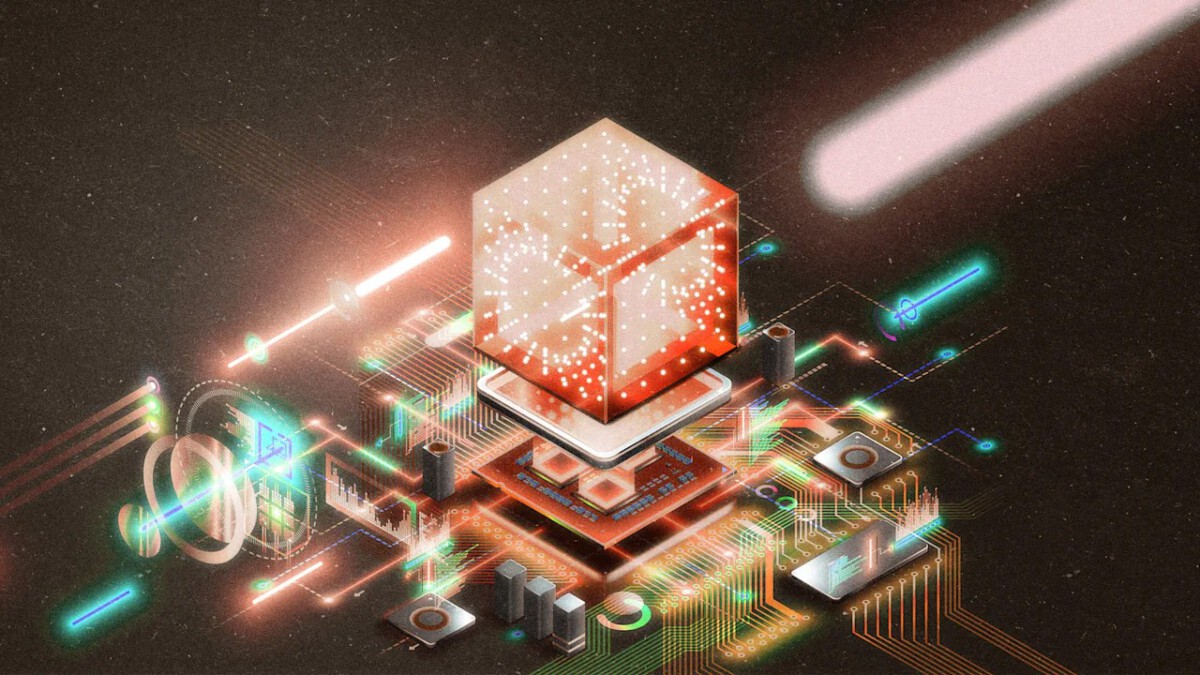
The Urgent “Harvest Now, Decrypt Later” Warning (Image Credits: Images.fastcompany.com)
Criminal hackers and state-sponsored groups have begun stockpiling encrypted data from corporations, governments, and individuals alike, anticipating quantum breakthroughs that will render today’s safeguards obsolete.
The Urgent “Harvest Now, Decrypt Later” Warning
Security agencies worldwide have elevated this scenario to a top priority. The NSA mandated that U.S. national security systems transition to quantum-resistant cryptography by 2035, with new systems compliant by 2027, as outlined in its guidance document. In Europe, ENISA released updated recommendations in April 2025, urging immediate deployment of post-quantum measures due to the threat’s immediacy.
NIST spearheaded a global standardization effort through its post-quantum cryptography project, aiming to equip organizations against inevitable shifts. These directives underscore a consensus: delaying preparation invites catastrophe. Businesses that ignore this risk expose sensitive assets like trade secrets and customer records to future breaches.
Quantum Basics: Power Beyond Classical Limits
Traditional computers rely on bits that represent either 0 or 1, processing tasks sequentially. Quantum systems use qubits, which leverage superposition to embody multiple states at once, enabling parallel exploration of complex problems.
This capability targets domains with explosive computational demands, such as logistics, finance, pharmaceuticals, and encryption. Quantum machines do not supplant everyday computing but excel where classical supercomputers falter. Cryptography stands out as the most vulnerable field, prompting swift regulatory responses.
Balancing Breakthroughs and Skepticism
Major players have accelerated advancements amid fluctuating optimism. Google unveiled its Willow chip in late 2024, tackling a benchmark in minutes that would challenge classical systems for eons. Microsoft introduced the Majorana 1 processor in February 2025, touting scalable topological qubits.
IBM outlined expansive roadmaps, while Nvidia’s CEO Jensen Huang pivoted from caution in January 2025 to enthusiasm by mid-year. Researchers like Princeton’s Nathalie de Leon noted a “vibe shift” toward shorter timelines. Yet challenges persist: systems demand cryogenic conditions, suffer high error rates, and face classical countermeasures. Investors remain wary, with quantum firms trading at lofty multiples despite scant revenue.
AI’s Lesson: Don’t Repeat History
The explosive rise of ChatGPT in late 2022 caught enterprises off-guard, despite decades of machine learning progress from 1950s foundations to 2016’s AlphaGo triumph. Boards scrambled for strategies as transformers paved the way for generative AI.
Quantum computing mirrors this trajectory – steady scientific gains, expert divides on timing, and widespread corporate inattention. Philosopher George Santayana warned that forgetting the past condemns repetition. Leaders who learned from AI’s jolt now have a chance to act proactively.
Four Immediate Steps for Business Resilience
Preparation starts modestly but yields outsized protection. Organizations should cultivate internal expertise in strategy, tech, and risk to track milestones without hiring specialists.
- Build organizational literacy to discern hype from impact.
- Map workflows vulnerable to optimization or simulation upheavals.
- Set clear triggers for escalation, like sector-specific applications or regulations.
- Prioritize crypto-agility: audit encryption dependencies and design modular systems for standard swaps.
Key Takeaways
- Act on agency mandates to avert “harvest now, decrypt later” risks.
- Monitor quantum progress without overcommitting resources.
- Embed flexibility in cryptography to future-proof operations.
Quantum computing’s arrival remains uncertain, but its potential disruption looms large. Businesses that invest in vigilance today sidestep tomorrow’s crises. What steps is your organization taking? Share your views in the comments.