
Think you need to sacrifice quality of life to keep a roof over your head these days? Not necessarily. While headlines scream about unaffordable housing markets and skyrocketing costs, a handful of states remain stubbornly practical for families seeking a place where their dollars stretch further. Let’s be real, the American dream has morphed over the years. Today’s families aren’t necessarily chasing mansions. They’re after stability, reasonable expenses, and maybe the chance to save for something beyond the next rent check.
The states on this list aren’t flashy, but they deliver where it matters most. Each offers a blend of low housing costs, manageable everyday expenses, and enough breathing room in family budgets to actually live, not just survive.
10. Iowa: Quietly Practical and Surprisingly Solid
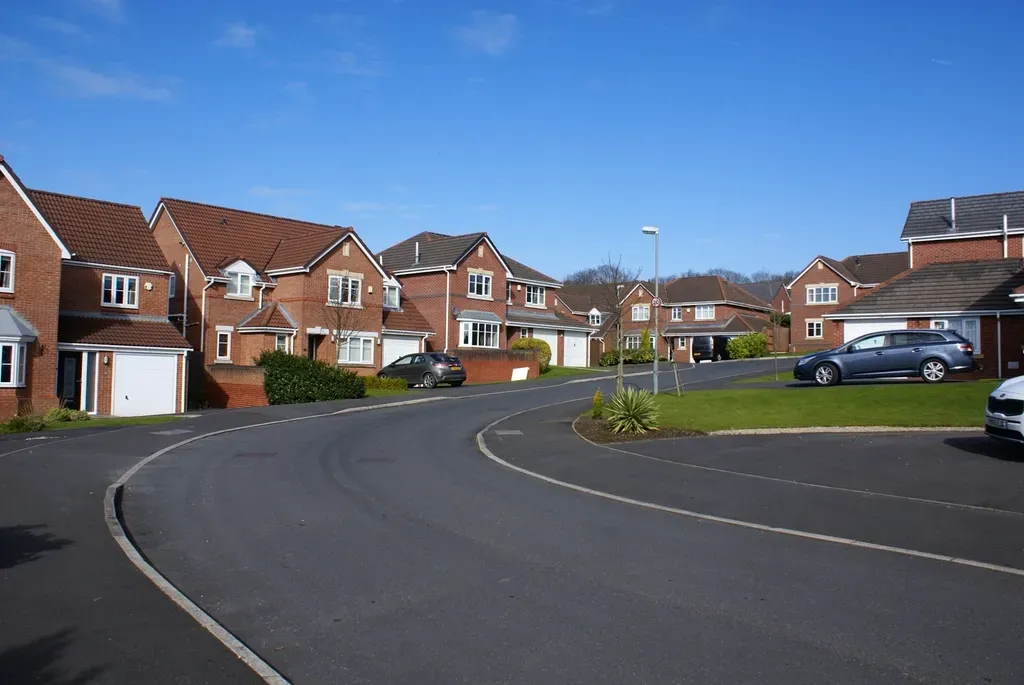
Iowa demonstrates a 3.0 price-to-income ratio, offering balanced housing costs relative to local incomes. That means families aren’t drowning in mortgage payments just to own a home. Oklahoma ranks number one for overall affordability with an 85.5 cost of living index, followed by Mississippi, Alabama, Missouri, and West Virginia. Iowa fits comfortably into this conversation of genuinely affordable states where buying a home remains realistic for working families.
The state combines low home prices with steady job markets, which creates a foundation for family stability. The practical approach here is refreshing. Instead of chasing constant growth, Iowa focuses on maintaining affordability across housing, healthcare, and transportation. It’s not about excitement. It’s about balance.
9. South Dakota: Low Taxes Keep More Cash in Your Pocket

South Dakota delivers affordability through reasonable housing costs paired with notably low tax burdens. Families here benefit from property taxes that remain moderate compared to Northeastern states where annual bills easily reach five figures. The combination means homeowners keep significantly more of their income.
The housing market here doesn’t fluctuate wildly, which provides predictability for long-term planning. Towns across South Dakota offer small-community living with essential services intact. Jobs may not be as plentiful as coastal metros, yet the tradeoff in lower living expenses creates genuine financial breathing room for families willing to embrace the quieter lifestyle.
8. Nebraska: Balanced Affordability with Strong Job Markets

Nebraska’s affordability clusters in the Midwest where land remains abundant, property taxes stay lower, and population density runs lighter. The state frequently appears in discussions about balanced cost of living. Families find moderate housing prices that don’t require two high incomes to manage.
Healthcare costs here sit below national averages, which matters enormously for families with children. Strong regional job markets in cities like Omaha provide employment opportunities without the crushing cost of living found in larger metros. Nebraska doesn’t make headlines, yet it quietly delivers on the fundamentals families need to build secure lives.
7. Arkansas: Outdoor Living Meets Budget-Friendly Housing
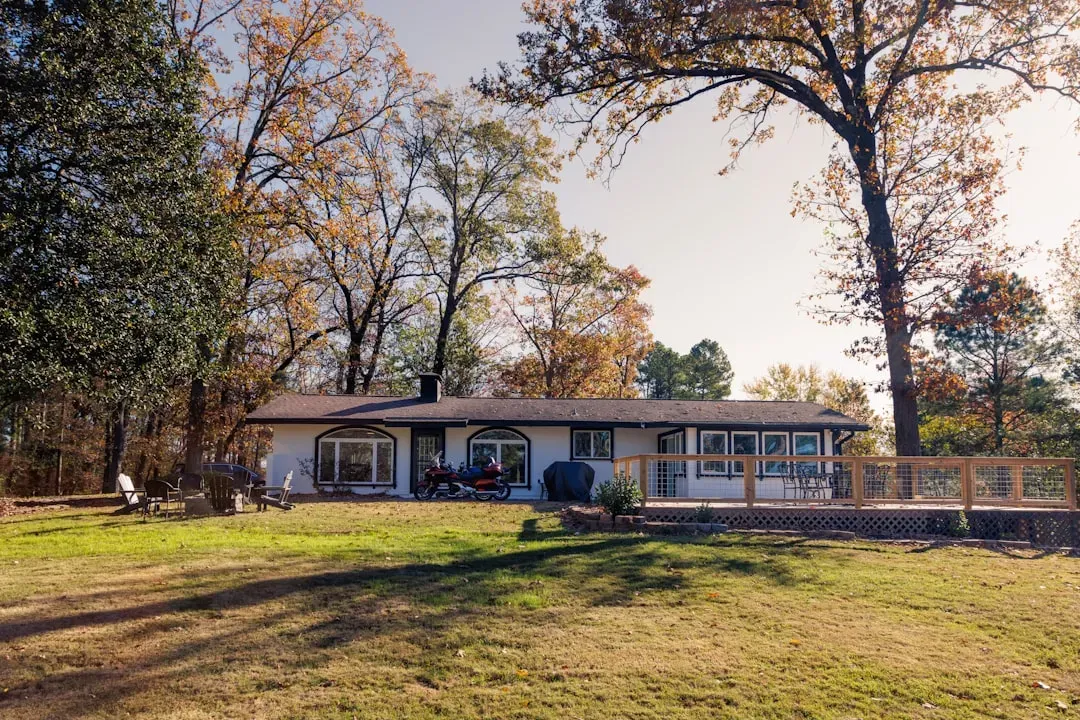
Arkansas combines remarkably low housing costs with abundant outdoor recreation opportunities. Families seeking space and nature without breaking the bank find appealing options here. The state offers family-friendly towns where housing remains genuinely accessible to middle-income earners.
Beyond just cheap housing, Arkansas provides a quality of life that includes parks, trails, and community events. The cost savings on housing free up family budgets for experiences rather than just expenses. It’s a state that understands you don’t need wealth to enjoy a good life, just reasonable costs and access to nature.
6. Missouri: Twenty Percent Below National Average

Missouri’s cost of living is roughly 20% below the national average for housing, with Oklahoma, Mississippi, Alabama, and West Virginia also ranking among the most affordable states. That percentage matters enormously for families calculating monthly budgets. Housing costs dramatically impact overall financial health, and Missouri delivers consistent savings.
The state also offers affordable utilities and transportation, which compounds the savings over time. Cities like Kansas City and St. Louis provide urban amenities without the price tags of coastal metros. Missouri represents that middle ground where families access decent jobs, services, and communities while maintaining financial flexibility.
5. Kansas: Affordable Living with Manageable Transportation Costs

Kansas’ COLI number is 89.7. Kansas demonstrates a 3.2 price-to-income ratio, making homeownership achievable for middle-income families. The housing market here remains accessible without requiring dual high incomes or generational wealth.
As of August 2025, the average price per gallon of regular gas is $2.83 in Kansas. Transportation costs stay manageable, which matters for families juggling work commutes and kid activities. Kansas also maintains decent access to jobs and community services, creating a balanced environment where families can function without constant financial stress. It’s straightforward, unpretentious, and functional.
4. West Virginia: Among the Lowest Median Home Prices Nationally

West Virginia demonstrates a 2.9 price-to-income ratio, leading the nation in housing affordability relative to local wages. Median home prices in West Virginia stand at $265,000, far below the national median of $428,000. That gap is enormous and creates real opportunity for families priced out of other markets.
The state’s cost of living index sits significantly under national averages, affecting everything from groceries to utilities. West Virginia appeals particularly to families prioritizing homeownership and willing to embrace the Mountain State’s pace of life. It’s not for everyone, yet for those seeking maximum affordability, few states compete.
3. Alabama: Rock-Bottom Property Taxes Protect Long-Term Costs
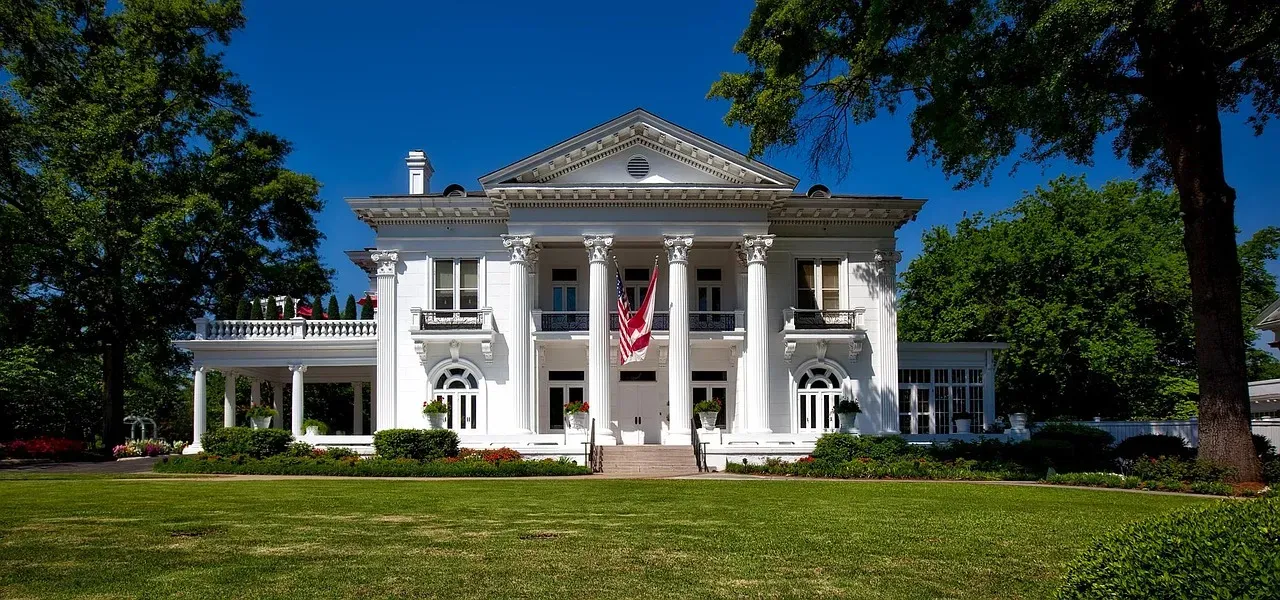
Alabama has a cost of living index of 87.9, with the average single-family house selling for $170,184. Alabama’s property tax rate of just 0.41 percent adds under $1,000 annually, preserving affordability long term. That low property tax rate matters profoundly over decades of homeownership.
Housing prices remain well below national medians, and the state delivers low transportation and health costs as well. Alabama’s health and transportation costs are among the lowest in the nation. For families focused on stretching every dollar, Alabama creates an environment where homeownership doesn’t mean permanent financial strain. The savings accumulate year after year.
2. Oklahoma: Consistently Among the Cheapest States
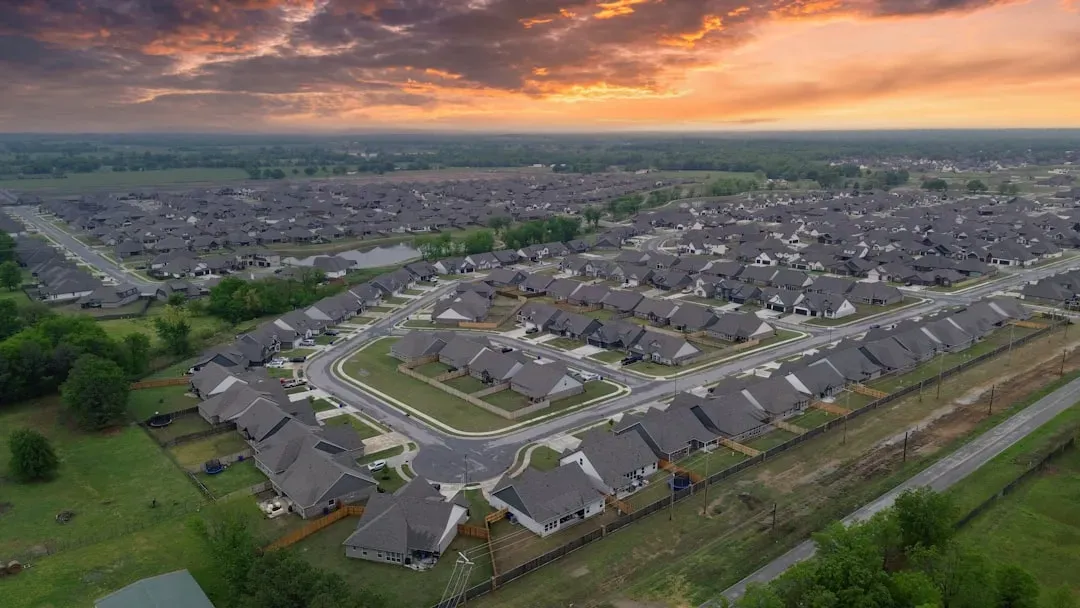
Oklahoma ranks number one for overall affordability with an 85.5 cost of living index. Oklahoma’s typical home value in June 2024 was $203,806, almost half the national median sale price of $355,328. That dramatic difference creates genuine opportunity for families seeking homeownership without crushing debt.
Property taxes in Oklahoma average about 0.90%, below the national average. Utilities remain well under national averages, giving families more purchasing power across the board. Oklahoma delivers consistent affordability without major compromises on essential services. For families prioritizing financial stability over coastal lifestyles, Oklahoma represents exceptional value.
1. Mississippi: The Most Affordable State for American Families

The cost of living in Mississippi is 13% lower than the national average, with housing 28% lower than the national average. The median price for a single-family home in Mississippi is $140,818, and the average rent for a two-bedroom apartment is $991. These figures represent genuinely accessible housing for working families.
Mississippi also has the lowest transportation costs in the nation. The savings compound across every category. Everyday expenses like groceries, utilities, and healthcare remain manageable. Mississippi isn’t glamorous, yet for families focused purely on affordability and stretching budgets, no state competes more effectively. The savings here are real, consistent, and meaningful for long-term family financial health.
Conclusion: Affordability Still Exists If You Know Where to Look
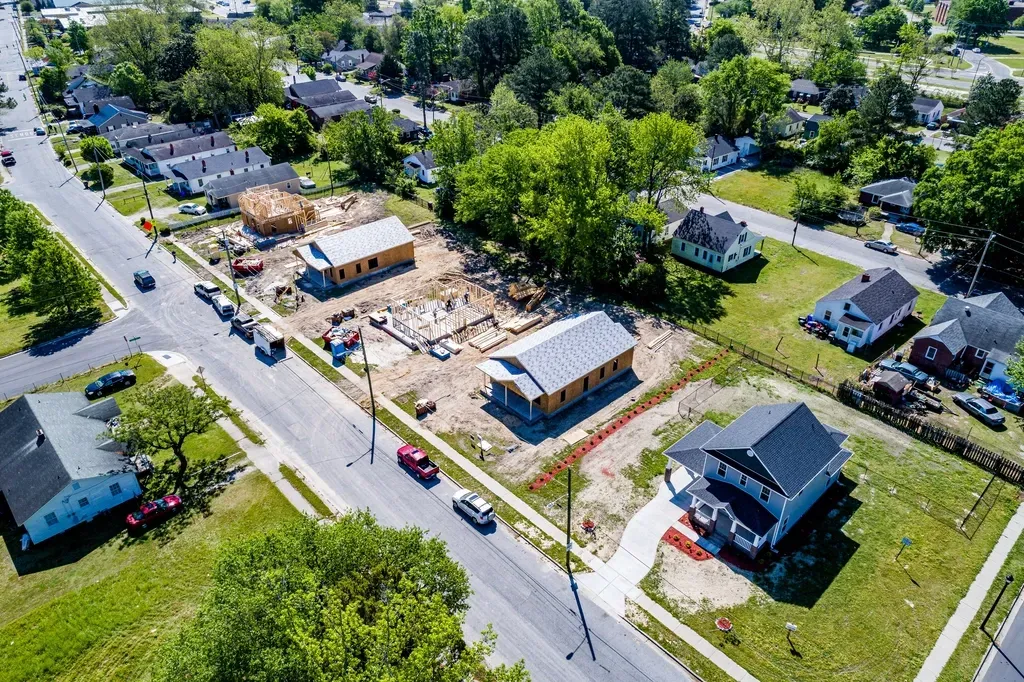
These ten states prove that the American dream of homeownership and financial stability hasn’t disappeared entirely. It’s just relocated to places that prioritize practical living over prestige. Families willing to embrace Midwestern and Southern lifestyles discover housing markets where single-income households can still buy homes, where property taxes don’t devour savings, and where everyday costs remain manageable.
The tradeoffs are real. These states won’t offer coastal beaches or big-city excitement. Yet they deliver something increasingly rare: genuine affordability that allows families to build equity, save money, and maybe even enjoy life beyond constant financial stress. What matters most to your family? If the answer is stability over status, these states deserve serious consideration. Where would you draw the line between affordability and amenities?