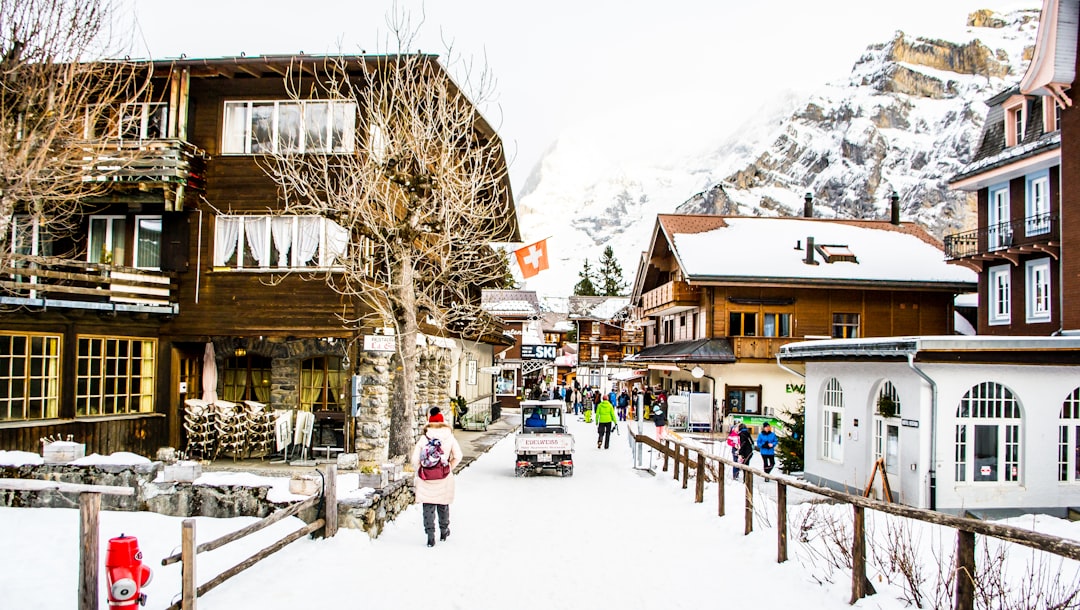


In the glamorous alpine setting of Crans-Montana, Switzerland, what promised to be a joyous New Year’s Eve celebration at a packed bar spiraled into unimaginable horror. Flames erupted with shocking speed, turning a night of revelry into a desperate fight for survival. Dozens perished, and over a hundred others suffered severe injuries, many now battling for life in specialized burn units across Europe. This tragedy has gripped the nation, raising urgent questions about safety in crowded nightlife venues nestled in historic ski resorts.
Local authorities confirm the fire tore through the wooden structure in minutes, fueled by flammable materials and poor barriers. Eyewitnesses paint a picture of chaos, with smoke choking escape routes and secondary blasts complicating rescues. As investigations deepen five days later, on January 5, 2026, the focus sharpens on preventable factors that allowed the blaze to rage unchecked. Here’s the thing: in a place built for winter fun, one spark exposed deadly flaws.
Communities worldwide watch closely, wondering how such a disaster unfolded so swiftly in a modern European hotspot.
The Devastating Outbreak in Crans-Montana
A vibrant bar in the heart of Crans-Montana’s ski resort became a death trap late on December 31, when fire suddenly engulfed the venue packed with young partygoers. The wooden interior, popular for its lively atmosphere, allowed flames to leap from walls to ceilings almost instantly. Patrons described an initial burst of fire overhead, followed by rapid spread that filled the space with thick, toxic smoke. Emergency calls flooded in within moments, but the inferno’s velocity overwhelmed initial efforts. What started as a festive night claimed at least 40 lives, with the exact toll still under review amid ongoing identifications.
Authorities note the bar’s basement location amplified dangers, trapping many as exits jammed. This incident underscores vulnerabilities in resort nightlife, where crowds swell during holidays. Firefighters later sifted through charred debris, piecing together a timeline of unchecked destruction. Honestly, it’s a wake-up call for venues chasing the party vibe without prioritizing safeguards.
Eyewitnesses Describe Explosive Panic
Survivors recount a scene straight out of a nightmare, where laughter gave way to screams as flames exploded across the ceiling. One patron remembered fireballs dropping amid sudden darkness from power failure, forcing everyone to the floor to breathe. Others spoke of narrow escapes, shoving through debris-blocked doors while helping strangers. The disorientation was total, with smoke so dense it blinded and choked within seconds. These personal stories highlight how quickly confusion turned deadly in the crowded space.
Many emphasized the fire’s unnatural speed, racing along open-plan areas without containment. Building on that, reports detail attempts to fight back with shirts and jackets, but the heat proved too intense. In the broader context, such accounts fuel demands for better training on evacuations. Let’s be real: no one expects a party to become a survival test.
Suspected Spark from Festive Candles
Prosecutors believe sparkling flares, known as fountain candles attached to champagne bottles, ignited the blaze when lifted too close to the ceiling. These celebratory items, common at New Year’s bashes, apparently touched off highly flammable decorations overhead. The wooden beams and lack of fireproofing then accelerated the spread, creating a perfect storm. Initial probes rule out arson, pointing instead to accidental oversight during peak revelry. This theory aligns with witness observations of flames starting above the crowd.
Experts analyzing the event stress how such pyrotechnics in enclosed spaces pose grave risks. Furthermore, the bar’s setup lacked modern suppression systems, letting minor ignition balloon. Industry observers note similar past incidents, urging bans on indoor sparklers. Still, the precise sequence remains under forensic review.
Heroic Yet Strained Emergency Response
Fire crews from local and regional units mobilized rapidly, arriving minutes after the first alarms, but faced a ferocious blaze billowing smoke into the alpine night. Over 100 personnel deployed hoses, ladders, and ventilation gear, battling for hours to contain the fire. Medics on scene triaged dozens for burns, smoke inhalation, and trauma, airlifting critical cases to burn centers in Switzerland, France, and beyond. Coordination drew praise, yet critics question why upper-level evacuations lagged despite the central location. Hospitals soon overflowed, straining resources in the tourist hub.
Preliminary reports highlight effective inter-agency teamwork that likely saved more lives. However, the sheer scale tested even seasoned responders. In retrospect, faster access to the basement might have altered outcomes. This development comes as officials audit response protocols nationwide.
Casualties Mount as Identities Emerge
The death toll hit 40, with all victims now identified, including Swiss nationals, French, Italians, and others from Romania, Turkey, and beyond. Among the 119 injured, many young revelers fight severe burns in specialized units, some clinging to life. Families endure agonizing waits outside hospitals and the bar’s ruins, sharing vigil with flowers and candles. The community mourns promising lives cut short, from locals to international visitors drawn to the slopes. Economic ripples hit too, with events canceled and tourism dipping.
No names released yet out of respect, but the diverse toll amplifies global resonance. What makes this particularly poignant is the youth of most victims, heightening public grief. Authorities continue supporting kin through counseling and aid. Meanwhile, the charred site stands as a somber monument.
Bar Operators Face Criminal Probe
Two individuals who ran the bar now face investigation for negligent homicide and safety lapses, as scrutiny turns to the venue’s setup. Building records show temporary permits sidestepped upgrades like sprinklers and wider exits. Overcrowding at peak hours worsened the peril, per early findings. The owners cooperated, handing over logs matching witness timelines, yet questions linger on fire barriers and pyrotechnic use. This probe promises accountability, with public hearings ahead.
Swiss prosecutors vow no stone unturned, drawing international safety input. Critics slam outdated construction clashing with modern crowds. Furthermore, similar spots now undergo snap inspections. Ultimately, it exposes gaps between tradition and regulation.
Calls Intensify for Nightlife Overhauls
This catastrophe spotlights Europe’s bar risks, where historic timber clashes with packed parties, prompting EU-wide standard pushes. Swiss lawmakers eye retrofit funds, AI detectors, and capacity caps. Venue owners launch self-audits voluntarily, a silver lining amid sorrow. Advocacy groups cite parallels to prior tragedies, demanding mandatory exits and suppression tech. The resort’s vibe shifts, balancing allure with caution.
In Switzerland, interim rules slash capacities pending reforms. Interestingly, public outrage drives policy faster than usual. Still, experts warn enforcement is key. Moving forward, nightlife must evolve or risk repeats.
Final Thought
One sparkler in celebration ignited a lesson in fragility, reminding us that festive joy demands ironclad safety nets. As Crans-Montana heals, the true measure will be reforms preventing another New Year’s nightmare. What safety changes would you prioritize in your local spots? Share your thoughts in the comments below.
Source: Original YouTube Video