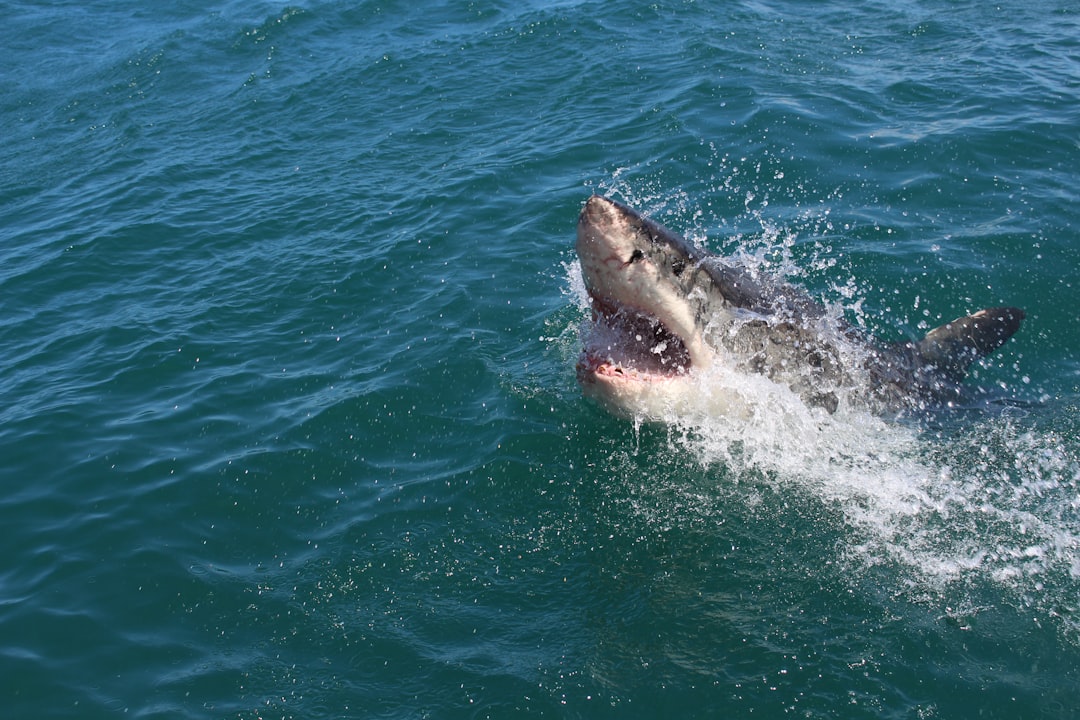


The Sudden Disappearance During a Routine Swim (Image Credits: Unsplash)
Santa Cruz County – A dedicated triathlete’s life ended in tragedy off the Monterey Bay coast, where authorities confirmed the recovery of her remains following a suspected shark encounter.
The Sudden Disappearance During a Routine Swim
On December 21, Erica Fox, a 55-year-old resident of Pebble Beach, vanished while participating in an open-water swim with fellow members of her club. Fox, known for her passion for endurance sports, had been swimming in the waters near Pacific Grove when witnesses reported spotting a large shark in the vicinity. The incident unfolded quickly, leaving her companions stunned as they searched the area without success.
Rescue teams responded immediately, but rough seas and limited visibility complicated initial efforts. Fox wore a wetsuit and carried standard safety gear, including a shark-deterrent band around her ankle, a device designed to emit signals that might repel marine predators. Despite these precautions, the swimmer did not resurface, prompting officials to issue warnings about heightened shark activity in the region during winter months.
Extensive Search Spans Days Across Coastal Waters
Authorities launched a comprehensive operation involving the U.S. Coast Guard, local sheriff’s deputies, and volunteer groups, covering miles of shoreline and ocean expanse. Helicopters scanned from above, while boats patrolled the bay, but the search yielded no immediate clues. The effort persisted through challenging weather, reflecting the determination to locate Fox and provide closure for her family.
Community members rallied, sharing concerns on social media and organizing vigils. The Monterey Bay area, popular among swimmers and divers, saw temporary restrictions on water activities as experts assessed the risks. Investigators noted that great white sharks frequent these waters from October to January, drawn by abundant seal and sea lion populations.
Recovery Brings Confirmation of Worst Fears
Six days after her disappearance, a body washed ashore south of Davenport Beach in Santa Cruz County around 2 p.m. on December 28. The Santa Cruz County Sheriff’s Office secured the site and transported the remains for identification. Coroner’s officials confirmed the next day that the deceased was indeed Erica Fox, marking this as one of California’s rare shark-related fatalities.
The discovery ended the agonizing wait for Fox’s loved ones, including her husband who had been swimming nearby. Preliminary examinations indicated injuries consistent with a shark attack, though a full autopsy would provide further details. The shark-deterrent band remained intact, underscoring the unpredictable nature of such encounters even with protective measures in place.
Background on a Passionate Athlete and Club Founder
Erica Fox co-founded the Kelp Krawlers, an open-water swimming group that emphasized safety and camaraderie among enthusiasts. Friends described her as an inspiring figure, committed to promoting ocean fitness while advocating for environmental awareness. Her involvement in triathlons spanned years, making her a fixture in local sports circles.
The club issued a statement expressing profound grief, highlighting Fox’s role in building a supportive network for swimmers. Tributes poured in from across the state, with many recalling her encouragement during group outings. This loss served as a stark reminder of the inherent dangers in pursuing such activities in wildlife-rich environments.
Understanding Shark Patterns in Monterey Bay
California records few fatal shark incidents annually, with most involving non-lethal bites. Experts attribute increased sightings to the migration of juvenile great whites along the central coast. Seals congregating on rocky outcrops provide a natural food source, occasionally drawing sharks closer to human activity zones.
To address these risks, officials recommend avoiding swims at dawn or dusk and staying in groups. Educational campaigns by groups like the Shark Research Committee aim to inform the public without instilling unnecessary fear. Recent data shows that while encounters occur, fatalities remain exceptional.
- Sharks peak in coastal waters during fall and winter.
- Deterrent technologies, like electromagnetic bands, offer partial protection but are not foolproof.
- Swimmers should monitor local advisories from authorities such as the California Department of Fish and Wildlife.
- Post-incident reviews often lead to enhanced beach patrols and signage.
- Conservation efforts protect shark populations, balancing human safety with marine ecosystems.
Key Takeaways
- Erica Fox’s death highlights the rarity yet severity of shark attacks in California, with only a handful of fatalities in recent decades.
- Her shark-deterrent band illustrates ongoing innovations in swimmer safety, though vigilance remains essential.
- Communities continue to adapt, fostering safer ocean access through education and technology.
This heartbreaking event underscores the delicate balance between embracing the ocean’s allure and respecting its wild inhabitants. As the swimming community reflects on Fox’s legacy, questions arise about enhancing protections in popular bays. What steps can be taken to prevent future tragedies while preserving access to these vital waters? Share your thoughts in the comments below.