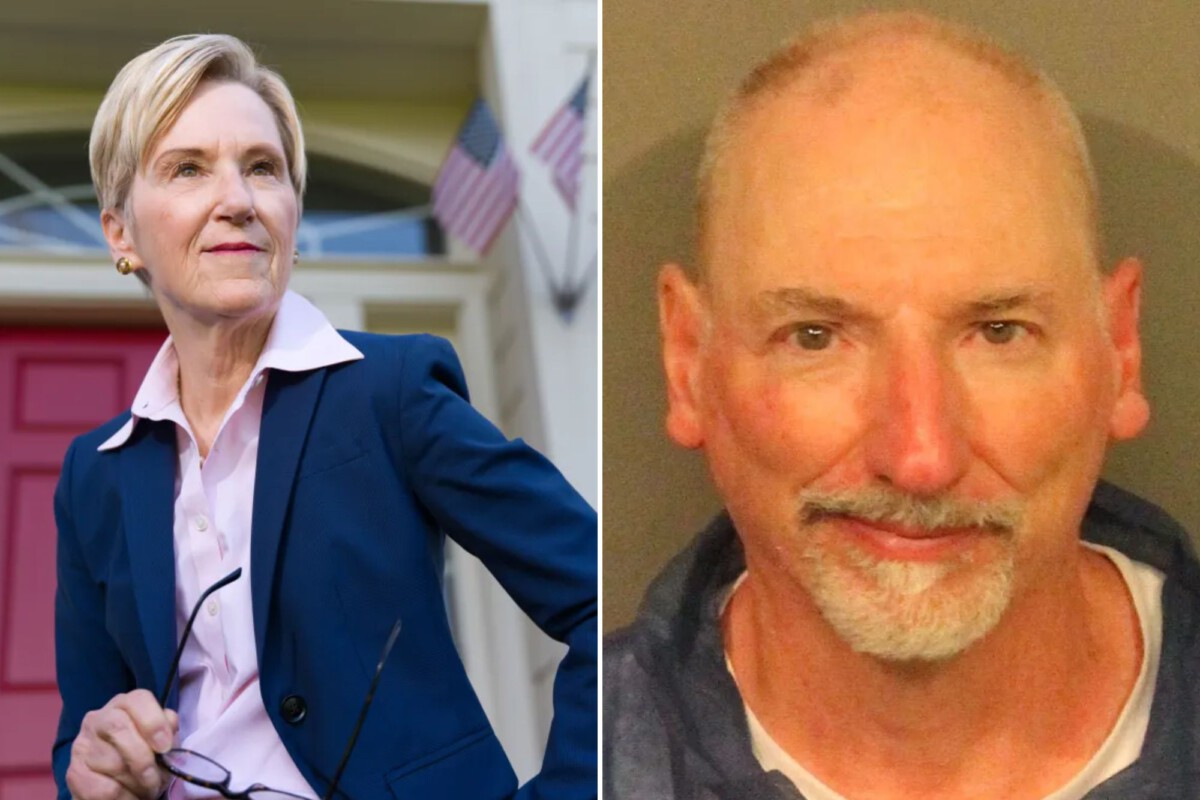
Decades on the Bench, One Clear Message (Image Credits: Nypost.com)
California – A veteran Superior Court judge who spent nearly three decades sentencing the state’s most violent offenders has accused Governor Gavin Newsom of enacting reforms that free dangerous criminals too soon.[1][2]
Decades on the Bench, One Clear Message
Retired Sacramento Superior Court Judge Maryann Gilliard presided over cases involving murderers, rapists, and child abusers for 27 years before stepping down last August. She delivered her strongest public critique yet in recent interviews, declaring that Newsom’s leadership has compromised public safety. “At this point in time, California needs to be placed into a conservatorship because the person in charge, Gavin Newsom, is a danger to others,” Gilliard stated.[1]
Her concerns peaked amid high-profile releases under state programs she views as flawed. Gilliard argued that victims suffer most, as families relive trauma when perpetrators return to society prematurely. During sentencings, she often assured grieving relatives that justice would hold, only to see reforms erode those promises over time.
Elder Parole Sparks Outrage Over ‘Elderly’ Threshold
The elder parole program, expanded under AB 3234 signed by Newsom in 2021, lets inmates aged 50 or older seek release after 20 years served. Originally crafted to ease prison overcrowding from a court order, the law lowered prior benchmarks of age 60 and 25 years. Critics like Gilliard called the change reckless, noting a 50-year-old serial offender qualifies despite remaining fit for crime.
David Allen Funston exemplified the issue. Convicted in 1999 of kidnapping and assaulting children as young as three, he drew three life terms. The parole board approved his release in February 2026, but authorities arrested him hours later on a new warrant.[1][3] Other cases include murderer George Bouras, freed at 77, and rapist Thomas Martinez, whose release stalled after victim pleas.[4]
Former Sacramento District Attorney Anne Marie Schubert labeled Funston a “dangerous human being,” urging fixes to prioritize victims.
Mental Health Diversion: A ‘Get-Out-of-Jail-Free Card’?
SB 1223, another Newsom-signed measure from 2023, broadened mental health diversion by presuming disorders like ADHD or substance use drove offenses. Defendants enter treatment programs instead of prison unless prosecutors prove otherwise by clear evidence. Gilliard dismissed it as lacking guardrails, allowing minor issues to excuse serious violence.
Senator Shannon Grove joined the chorus, echoing Gilliard’s view that the policy has strayed from intent. “However well-intended this program was and might have been, in reality it did not come with enough guardrails,” the judge remarked.[1]
- Presumes mental disorder caused the crime, easing diversion eligibility.
- Includes broad diagnoses from the DSM-5, like cannabis use disorder.
- Bypasses traditional sentencing for many felonies.
- Senators now push bills to tighten criteria amid abuse concerns.
Newsom’s Office Counters with Declining Crime Stats
Governor Newsom’s spokesperson defended the initiatives, highlighting a 6% drop in violent crime and 8.4% in property crime during 2024. Elder parolees show low recidivism, with under 2% reconvicted within five years, thanks to rigorous risk assessments. Mental health programs, they argued, cut repeat offenses by addressing root causes over incarceration.[2]
Newsom requested a re-review of Funston’s case, though the board upheld its decision. Officials stressed parole independence and data-driven reforms.
Path Forward Amid Bipartisan Pushback
Legislators like Senator Roger Niello introduced SB 1278 to bar certain violent crimes from elder parole. Victims continue voicing fears, with one rape survivor begging Newsom to intervene. Gilliard urged a special legislative session to overhaul what she called broken systems.
These debates underscore a tension between rehabilitation and safety in California’s justice landscape. As reforms evolve, frontline voices like Gilliard’s demand balance.
Key Takeaways
- Elder parole at age 50 after 20 years has freed violent offenders, drawing victim backlash.
- Mental health diversion expansions presume disorders excuse crimes, lacking enforcement.
- Crime rates fell recently, but critics prioritize individual risks over aggregates.
Reforms may aim high, yet one predator’s release can shatter lives forever. What do you think of these policies? Tell us in the comments.