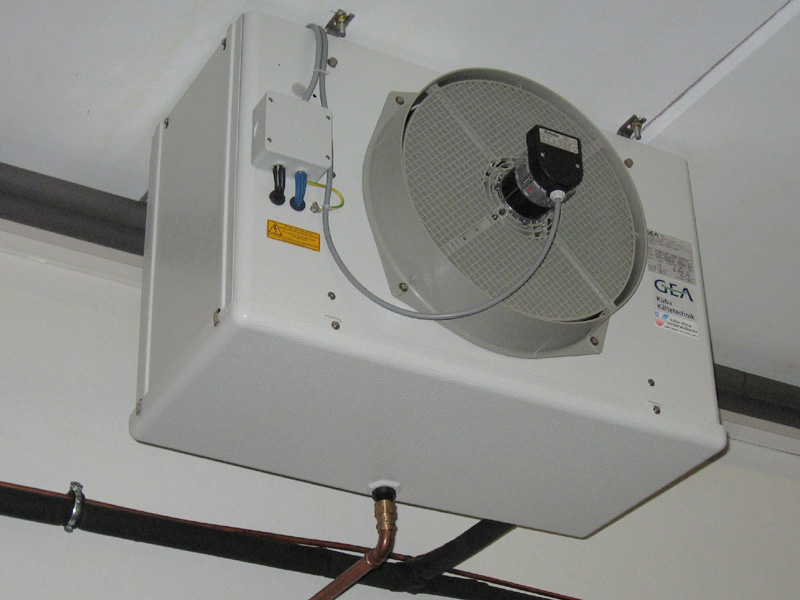
Heat Pumps Lag in Cold Climates Despite Green Potential (Image Credits: Upload.wikimedia.org)
Efforts to expand heat pump use face a major obstacle as electricity prices climb, complicating the transition from traditional heating systems across the United States.
Heat Pumps Lag in Cold Climates Despite Green Potential
Only 14% of U.S. households rely on heat pumps, with adoption dropping to about 5% in the Northeast where harsh winters demand robust heating.
These devices, which transfer heat using electricity rather than generate it through combustion, promise substantial reductions in building-related carbon emissions. States have established bold targets to boost their deployment over coming decades. Yet current energy dynamics hinder progress, particularly in regions with elevated electricity rates. Homeowners weigh immediate costs against long-term environmental gains, often finding the math unfavorable.
Diverse Heating Fuels Reflect Regional Realities
Northern states and Rocky Mountain areas predominantly turn to natural gas or propane for dependable winter warmth. California homes also favor natural gas, while southern states like Florida and Texas lean on electricity due to lower rates there.
The Pacific Northwest benefits from inexpensive hydropower, making electric heating prevalent. Urban areas show higher natural gas usage thanks to established pipelines, whereas rural properties often store propane or heating oil on-site. In New England, older homes sustain a reliance on oil, with a third of households still using it. These patterns underscore how climate, infrastructure, and pricing dictate fuel choices nationwide.
Cost Savings Vary Widely by Current System
Households switching from oil, propane, or inefficient electric options like furnaces or baseboard heaters stand to cut annual bills by $200 to $500 on average. Savings soar higher in northern areas with costly electricity, reaching up to $3,000 yearly compared to resistance heating.
Air-source heat pumps trim energy use by 30% to 50% versus fossil fuel setups and up to 75% against outdated electric systems. Efficiency hinges on climate – southern units outperform those in Minnesota or Massachusetts. Ground-source versions extract steady ground heat but demand higher upfront investment. Still, emission cuts depend on the grid’s power mix, favoring renewables over fossil fuels.
Natural Gas Users Face Bill Increases in Key Regions
For the roughly half of U.S. heating needs met by natural gas in colder zones, heat pumps often raise costs. Bills could climb by $1,200 annually where electricity prices dwarf natural gas rates – sometimes fivefold per unit of energy.
Even top-tier ground-source models fail to offset this in high-cost electricity markets. Researchers analyzed average household impacts county by county, revealing these disparities clearly. Such economics stall conversions despite incentives and efficiency gains elsewhere.
Installation Barriers and Electricity Trends Compound Issues
Air-source heat pumps average $17,000 to install, with ground-source models starting at $30,000; electrical upgrades can add tens of thousands more. In air conditioning-heavy areas, dual-use systems help recoup expenses.
Electricity prices have surged from extreme weather, aging grids, and data center demands. Full heating electrification could spike peak demand by 70%, though heat pumps paired with storage offer grid flexibility. Some regulators mandate utility discounts for heat pump users, yet broader adoption hinges on curbing power costs. Programs in places like California promote efficient dual heating-cooling units during AC replacements.
Key Takeaways
- Heat pumps deliver major savings for oil, propane, and inefficient electric users nationwide.
- Natural gas households in cold, high-electricity regions see bill hikes up to $1,200 yearly.
- Lower electricity prices and targeted incentives remain essential for widespread uptake.
Heat pumps hold promise for cleaner heating, but taming electricity costs proves crucial to unlocking their potential and meeting emission goals. What steps should policymakers take next? Share your thoughts in the comments.