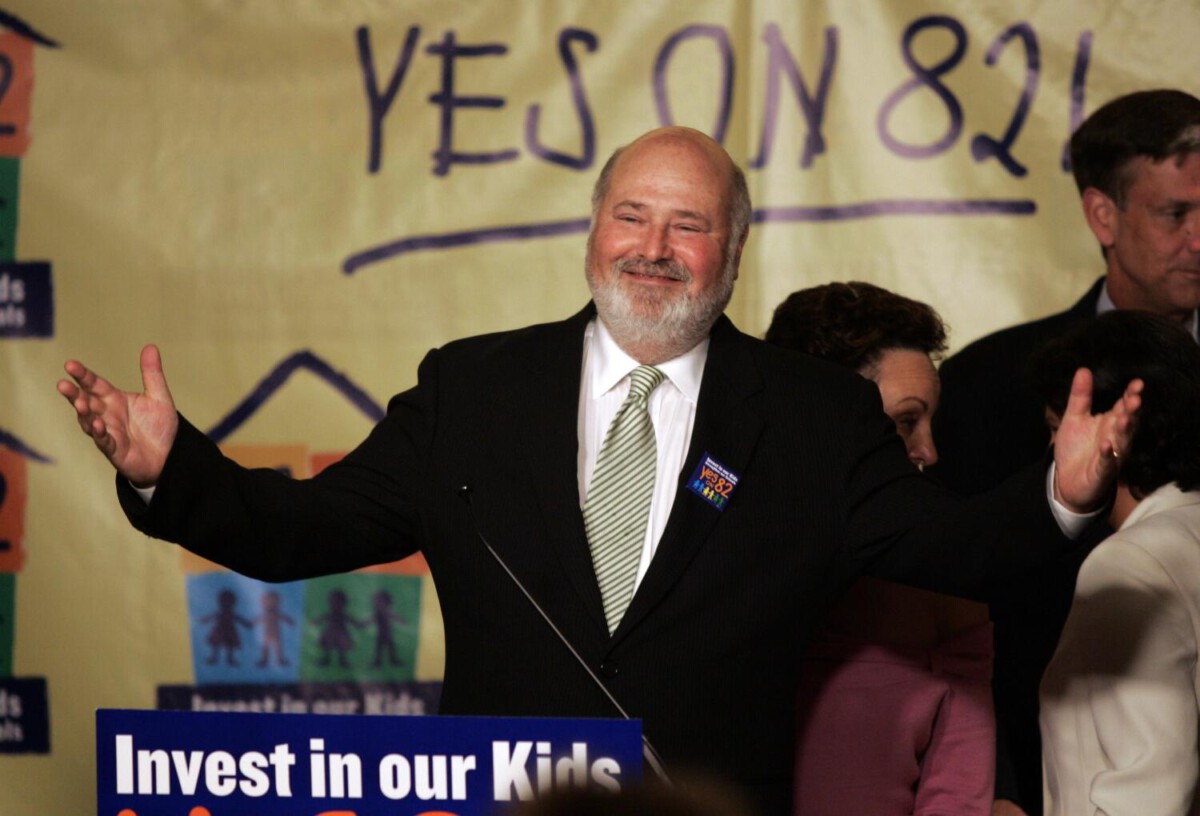


A Lifetime Dedicated to Progressive Causes (Image Credits: Ca-times.brightspotcdn.com)
Los Angeles – The recent passing of acclaimed director and activist Rob Reiner has ignited discussions about the role of compassion in public life, especially as political figures respond in unexpected ways.
A Lifetime Dedicated to Progressive Causes
Rob Reiner built a career not only behind the camera but also at the forefront of social change. His activism spanned decades, focusing on issues that touched the lives of everyday Americans. From early childhood development to LGBTQ+ rights, Reiner channeled his Hollywood success into meaningful advocacy. He founded organizations that pushed for better policies on mental health and education, always emphasizing empathy as the driving force. This commitment stemmed from a deep belief in using one’s platform for the greater good.
Reiner’s work extended into film, where projects like “Shock and Awe” highlighted the consequences of political decisions on ordinary people. He spoke out against wars and injustices, drawing from personal convictions rather than partisan gain. Supporters praised his ability to bridge entertainment and activism without alienating audiences. Over the years, he became a vocal critic of divisive politics, advocating for unity in times of crisis. His efforts left a lasting mark on Hollywood and beyond, inspiring a new generation of engaged citizens.
Trump’s Controversial Statement Sparks Backlash
President Donald Trump’s social media post following Reiner’s death drew immediate criticism from across the political spectrum. In the message, Trump attributed Reiner’s passing to an “incurable affliction” linked to his opposition to the president, a remark that many viewed as insensitive. The statement came shortly after Reiner and his wife were found dead in their Los Angeles home, with investigations ongoing into the circumstances. Lawmakers and celebrities quickly condemned the tone, calling it a departure from expected decorum. This reaction highlighted ongoing tensions between the entertainment industry and political leadership.
Republicans themselves distanced from the post, with some rebuffing it as unhelpful amid national mourning. The backlash extended to media outlets, where analysts dissected how such rhetoric could deepen divides. Trump’s defense of his words only amplified the controversy, as he stood by the characterization during a recent appearance. Observers noted that this incident echoed past instances of pointed exchanges between Trump and Hollywood figures. The episode served as a reminder of how personal animosities can overshadow tributes to public figures.
The Intersection of Activism and Disaster Response
Reiner’s compassionate approach often shone in responses to national challenges, including natural disasters like hurricanes that devastate communities. His advocacy groups mobilized resources for affected families, prioritizing aid over political affiliation. This mirrored broader calls for bipartisanship in crisis management, where figures like Trump have at times set aside differences to assist hurricane victims. For instance, efforts following Hurricane Helene saw cross-aisle support, underscoring the potential for unity. Reiner’s model encouraged viewing activism as a tool for healing rather than division.
In contrast, the recent political commentary on Reiner’s death raised questions about empathy in leadership during personal tragedies. Public sentiment on social media reflected frustration with gloating over adversaries’ misfortunes. Discussions emerged about how past hurricane relief efforts by leaders could inform more humane discourse today. Reiner’s legacy in these areas continues to influence ongoing debates on compassionate governance. As communities recover from disasters, such examples highlight the value of sustained, heartfelt engagement.
Reflecting on Compassion in a Polarized Era
The events surrounding Reiner’s passing offer a poignant lens on America’s political landscape. His life exemplified how individual passion can drive systemic change, from film sets to policy tables. Meanwhile, responses like Trump’s underscore the challenges of maintaining civility amid rivalry. This contrast prompts reflection on what qualities define effective leadership in turbulent times. As tributes pour in, Reiner’s influence persists through the causes he championed.
- Early focus on children’s welfare shaped national conversations on education reform.
- Support for LGBTQ+ rights advanced inclusive policies in entertainment and society.
- Critiques of foreign policy influenced cultural narratives around accountability.
- Foundations he established continue funding mental health initiatives.
- Calls for unity in disasters emphasized nonpartisan aid.
Key Takeaways
- Reiner’s activism blended creativity with real-world impact, prioritizing empathy.
- Trump’s post highlighted risks of personal attacks in political discourse.
- Lessons from hurricane responses show potential for cross-party compassion.
Reiner’s story reminds us that true legacy lies in actions that uplift others, even in disagreement. What aspects of his work resonate most with you today? Share your thoughts in the comments.