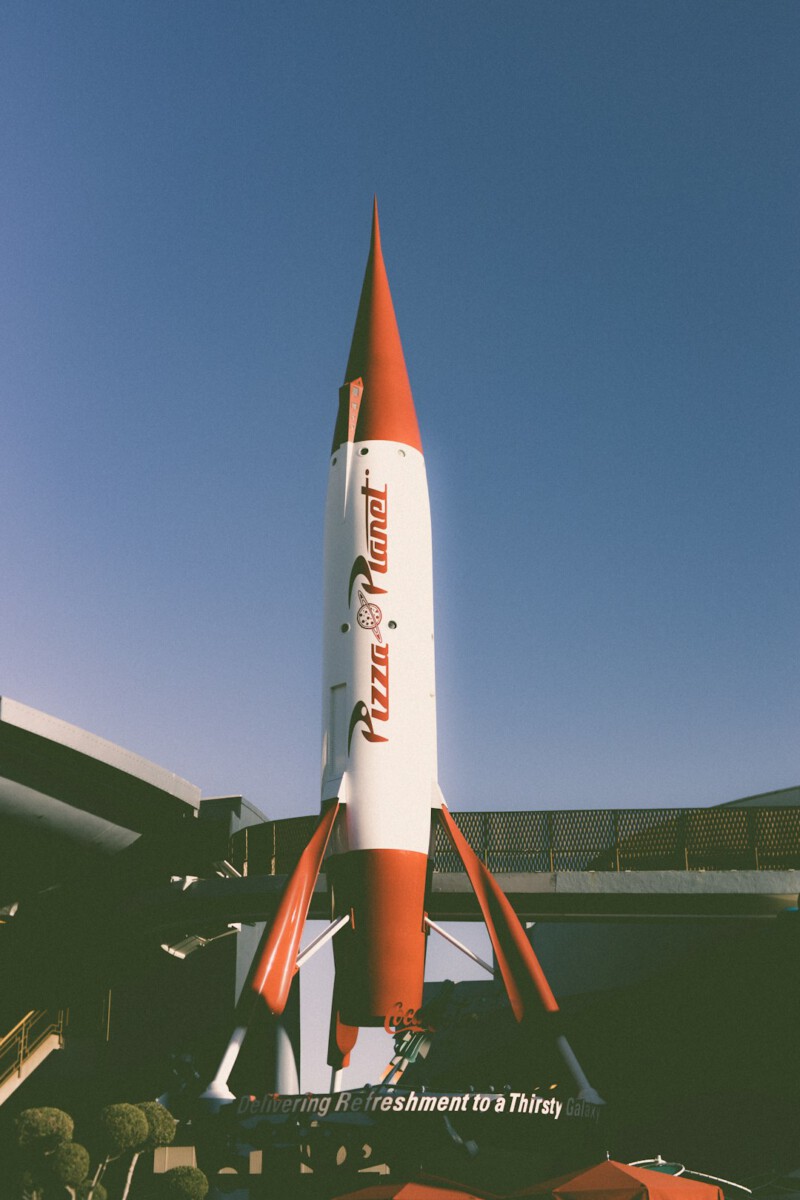
Lightning-Fast Launch Cadence Sets New Pace (Image Credits: Unsplash)
New Zealand – Rocket Lab executed its 81st Electron mission on Friday, propelling an Earth observation satellite into orbit for South Korea’s Korea Advanced Institute of Science and Technology just eight days after its prior flight.
Lightning-Fast Launch Cadence Sets New Pace
The mission, dubbed Bridging The Swarm, roared off the pad at Launch Complex 1 at 2:21 p.m. local time, or 1:21 UTC. This rapid succession highlighted Rocket Lab’s operational efficiency in the competitive small satellite launch market. Engineers and technicians turned around the site in record time following the previous Electron departure. Such tempo remains rare among providers of dedicated rideshare-free launches.
Success came swiftly after liftoff, with confirmation of satellite separation and deployment into the intended orbit. Ground teams monitored the ascent from mission control, celebrating another precise insertion. This marked the company’s ability to sustain high-frequency operations without compromising reliability.
KAIST’s Earth Watcher Takes to the Skies
The payload belonged to KAIST, a leading research institution focused on advanced technologies. The satellite will capture high-resolution images of Earth’s surface, aiding studies in environmental monitoring and urban development. Deployment occurred flawlessly, positioning the craft for its operational phase.
Rocket Lab tailored the mission profile to meet KAIST’s precise orbital needs. This partnership underscored growing demand from Asian research entities for responsive launch services. The institute now joins a roster of clients benefiting from Electron’s flexibility.
Behind the Mission Name and Tech
Bridging The Swarm evoked the constellation-building trend in space, where multiple satellites form networks for continuous coverage. Though details on this specific craft’s role stayed limited, the name hinted at connectivity goals. Electron’s nine Merlin engines provided the thrust for this suborbital-to-orbital climb.
Each Electron incorporates carbon composite structures for lightweight strength. Kick stages ensured accurate payload delivery. Rocket Lab’s reusable tech experiments continue, even as this mission followed standard expendable protocol.
Rocket Lab’s Trajectory in the Launch Sector
The firm has flown Electron 81 times, building a track record of dependable service. Recent missions clustered closely, signaling scaled production and streamlined processes. Clients increasingly favor such providers over shared rides on larger rockets.
Launch Complex 1 in Mahia Peninsula serves as the hub for these southern hemisphere departures. Favorable weather and geography support frequent windows. Competitors note Rocket Lab’s edge in responsiveness.
| Mission Highlights | Details |
|---|---|
| Launch Date | January 30, 2026 |
| Countdown | 8 days from prior mission |
| Payload Client | KAIST |
| Total Flights | 81st Electron |
- Rocket Lab demonstrated unmatched launch tempo with two missions in eight days.
- KAIST gained a dedicated Earth observation asset via precise orbital insertion.
- The 81st Electron flight reinforced the rocket’s reliability for small satellite needs.
Rocket Lab’s double-header cements its role as a go-to for time-sensitive payloads, paving the way for even denser schedules ahead. What does this rapid cadence mean for the future of small satellite deployments? Share your thoughts in the comments.