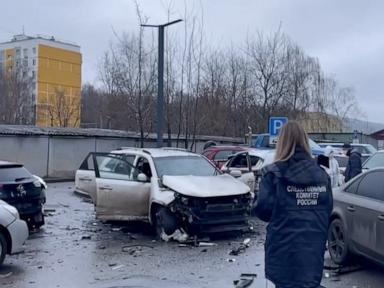


The Fatal Blast (Image Credits: S.abcnews.com)
Moscow – A senior Russian general perished in a targeted car explosion on Monday morning, prompting investigators to probe possible links to foreign intelligence operations.
The Fatal Blast
Early on December 22, an explosive device detonated beneath a vehicle in southern Moscow, claiming the life of Lieutenant General Fanil Sarvarov. Authorities reported that the 56-year-old officer, who led the armed forces’ operational training department, died instantly at the scene on Yasenevaya Street. The blast occurred just moments after the car began to move, underscoring the precision of the attack. Russia’s Investigative Committee quickly classified the incident as a terrorist act and launched a criminal probe.
Witnesses described hearing a powerful explosion that shattered nearby windows and sent debris scattering across the residential area. Emergency responders arrived swiftly, but Sarvarov could not be saved. The committee’s initial assessment pointed to an improvised explosive device hidden under the chassis, a method reminiscent of previous high-profile strikes. This event marked the third assassination of a senior military figure in Russia within the past year, heightening fears of escalating covert warfare.
Suspected Foreign Involvement
Investigators expressed suspicion that Ukrainian special services orchestrated the bombing, though Kyiv has yet to issue any statement on the matter. The probe will examine multiple theories, including potential insider assistance and surveillance prior to the attack. Russian officials highlighted the timing, noting it comes amid prolonged hostilities with Ukraine that have spilled beyond borders. Security measures in Moscow intensified immediately, with patrols increased around military sites.
Analysts pointed out that such operations require meticulous planning, often involving reconnaissance and remote detonation capabilities. The Investigative Committee vowed a thorough investigation, vowing to uncover all accomplices. While no group claimed responsibility, the pattern aligns with earlier incidents targeting pro-war figures. This development could strain diplomatic efforts further, as Russia attributes the violence to its adversary.
Context of Recent Assassinations
Sarvarov’s death follows a series of similar attacks that have rattled Russia’s military elite. In December 2024, Lieutenant General Igor Kirillov, head of nuclear, biological, and chemical protection forces, fell victim to a car bomb in a Moscow suburb. Another high-ranking officer met a comparable fate earlier in the year, prompting vows of retaliation from Kremlin sources. These incidents illustrate a shift toward asymmetric tactics in the ongoing conflict.
Each case involved explosives concealed near vehicles, suggesting a consistent operational signature. Russian authorities have linked several to Ukrainian intelligence, though evidence remains under wraps. The assassinations serve as stark reminders of the war’s reach into the heart of the capital. Military families and colleagues expressed grief, while officials called for unity against external threats.
Implications for Security and Conflict
The bombing has sparked debates on bolstering personal security for top brass, with suggestions for advanced countermeasures like vehicle sweeps and encrypted communications. Moscow’s law enforcement agencies coordinated with federal bodies to review protocols. International observers watched closely, as the event could influence negotiations or military posturing. Russia’s response might include heightened border vigilance or cyber operations in reply.
- Immediate lockdown of the blast site to preserve evidence.
- Interviews with local residents and traffic camera footage analysis.
- Collaboration with counterintelligence units for suspect identification.
- Public alerts urging vigilance against suspicious activities.
- Review of recent promotions and assignments for potential vulnerabilities.
Key Takeaways
- The attack highlights vulnerabilities in protecting high-value targets within urban centers.
- Investigations prioritize foreign involvement, potentially escalating Russia-Ukraine frictions.
- This is the third such incident in a year, signaling a pattern of targeted killings.
As Moscow grapples with this brazen strike, the incident underscores the persistent shadows of conflict. What steps will authorities take to prevent future tragedies? Share your thoughts in the comments below.