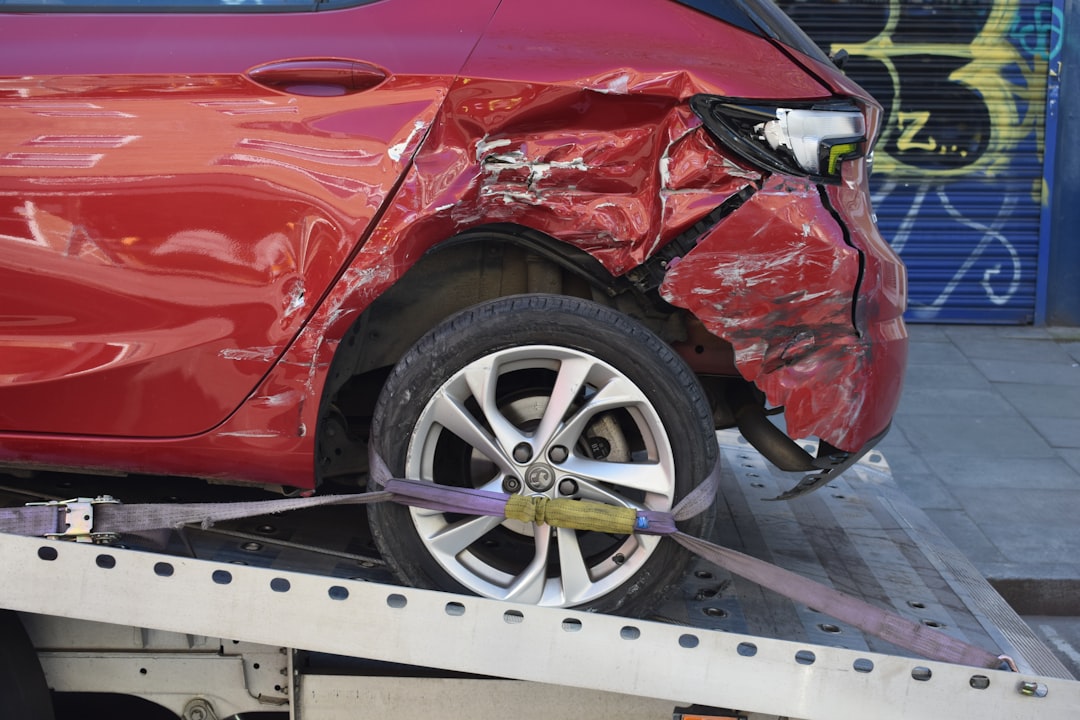


The Fatal Crash and Shocking Discovery (Image Credits: Unsplash)
Salem, Oregon – A routine traffic investigation turned into a homicide probe last year when authorities discovered a woman’s body hidden in the trunk of a crashed vehicle.
The Fatal Crash and Shocking Discovery
Emergency responders arrived at the scene of a rollover accident in January 2025, where they encountered Tyler Andrew Holman, a 40-year-old local resident, injured but alive amid the wreckage of a sedan.
Holman had been driving erratically before the vehicle veered off the road and flipped. While treating him for injuries, deputies noticed inconsistencies in his story. A search of the car uncovered the decomposed remains of 35-year-old Ashley Jean Gandolfi, his former girlfriend, concealed in the trunk. The discovery stunned investigators and pointed to foul play long before the collision occurred.
Autopsy results later confirmed that Gandolfi had been shot multiple times, with the fatal wounds inflicted hours prior to the crash. Holman, who appeared intoxicated at the time, offered no immediate explanation for her presence in the vehicle.
Unraveling the Timeline of Violence
Prosecutors pieced together a chilling sequence of events leading to Gandolfi’s death. Holman and Gandolfi had a tumultuous relationship marked by prior disputes, though details remain sealed in court records. On the night in question, witnesses reported hearing arguments near her residence before the sounds of a struggle.
Authorities believe Holman confronted Gandolfi, leading to the shooting inside or near her car. Instead of seeking help, he placed her body in the trunk and attempted to dispose of it by driving aimlessly while under the influence. The crash ended his evasion, but not before Gandolfi’s family endured months of uncertainty.
Early investigations revealed that Holman had borrowed the vehicle under false pretenses, further suggesting premeditation. Toxicology reports from the crash site corroborated his impaired state, adding charges related to reckless driving.
Court Proceedings and Guilty Plea
Holman first appeared in Polk County Circuit Court in February 2025, where he faced initial charges of murder, tampering with evidence, and driving under the influence. Bail was denied due to flight risk concerns raised by the prosecution.
Over the following months, plea negotiations intensified as evidence mounted, including ballistic matches from the crime scene and Holman’s own communications. On January 6, 2026, he entered a guilty plea to second-degree murder and related counts, avoiding a full trial but sealing a potential life sentence.
The courtroom hearing drew a somber crowd, including Gandolfi’s relatives who expressed relief at the resolution. Sentencing is scheduled for later this spring, with prosecutors pushing for the maximum penalty given the brutality of the crime.
Broader Implications for Domestic Violence Cases
This case highlights the hidden dangers in relationships fraught with tension, where seemingly isolated incidents can escalate rapidly. Local advocates note that Oregon sees hundreds of domestic homicides annually, often uncovered only through unrelated events like traffic stops.
Key factors in such investigations include:
- Rapid response to crash scenes to preserve evidence.
- Thorough vehicle searches when occupant stories conflict.
- Collaboration between traffic and homicide units for cross-referencing details.
- Victim advocacy support to trace prior reports of abuse.
- Training for first responders to spot signs of concealed crimes.
Community leaders in Salem have called for enhanced resources, including hotlines and awareness campaigns, to prevent similar tragedies.
Key Takeaways
- The murder occurred before the crash, with the body hidden to cover tracks.
- Holman’s intoxication during the drive compounded the charges.
- Plea deal ensures accountability without prolonging family anguish.
As sentencing approaches, this incident serves as a stark reminder of how ordinary encounters with law enforcement can expose deep-seated crimes. Gandolfi’s story underscores the need for vigilance in protecting those at risk. What steps can communities take to better support victims of domestic violence? Share your thoughts in the comments.