

The Sudden Blackout Hits Hard (Image Credits: Unsplash)
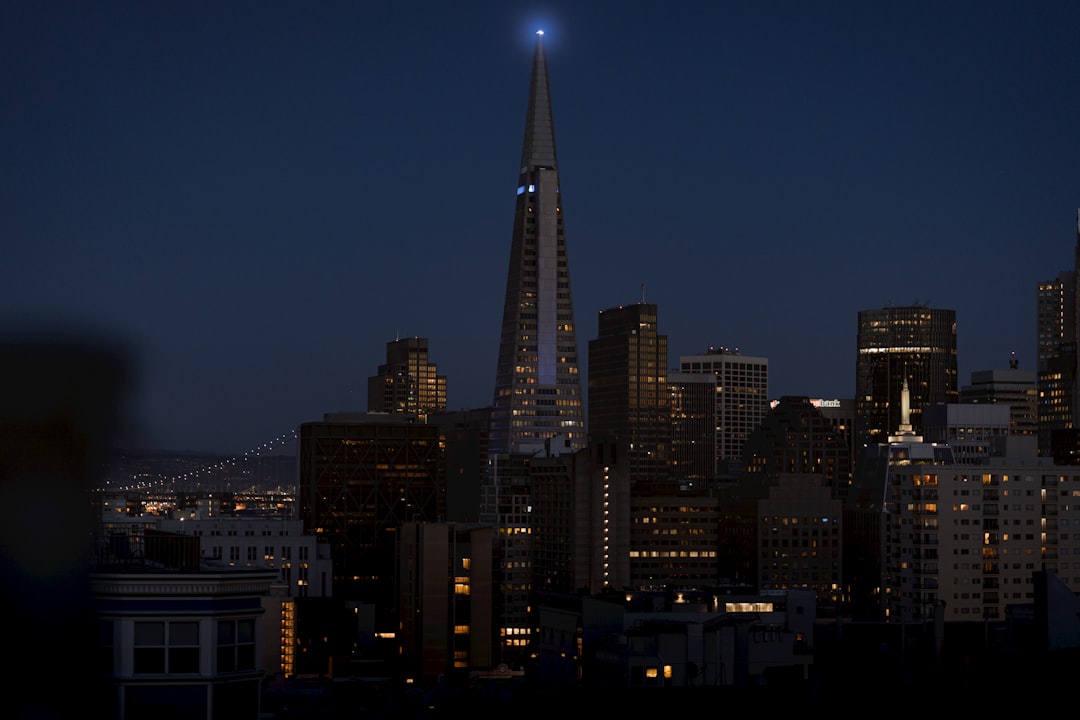
San Francisco – A powerful hurricane battered the city on Saturday evening, plunging neighborhoods into darkness and throwing holiday plans into disarray.
The Sudden Blackout Hits Hard
The outage struck without much warning, affecting more than 130,000 Pacific Gas and Electric customers across the city. At its peak, roughly 30 percent of San Francisco lost power, leaving residents and visitors navigating pitch-black streets during the height of the holiday season. Utility crews traced the issue to severe weather damage from the hurricane, which brought fierce winds and heavy rain. Emergency services responded quickly, but the scale of the disruption caught many off guard.
Local authorities urged caution as traffic signals failed and elevators stalled in high-rises. The timing amplified the chaos, with families en route to festive gatherings suddenly stranded. PG&E reported initial assessments showed widespread line damage, complicating immediate fixes.
Public Transportation Grinds to a Halt
Bay Area Rapid Transit and Municipal Railway services faced immediate shutdowns in affected zones, stranding commuters mid-journey. Trains on key lines stopped abruptly, forcing passengers to wait in unlit stations or seek alternative routes on foot. The outage severed power to signaling systems, turning a routine evening commute into a prolonged ordeal for thousands.
Riders described scenes of confusion at major hubs, where announcements echoed faintly over backup generators. Some walked miles to reach homes or hotels, while others relied on ride-sharing apps that strained under the surge. Officials later confirmed that service resumed partially after midnight, but full operations lagged behind power restoration.
Autonomous Vehicles Face Uncharted Territory
Waymo’s self-driving cars, a staple of the city’s innovative transport scene, encountered their own set of problems amid the blackout. Without functioning traffic lights or street illumination, the vehicles paused at intersections, creating unexpected backups on major thoroughfares. Operators remotely guided some units to safety, but many remained idle, highlighting vulnerabilities in autonomous tech during extreme weather.
The episode raised questions about the reliability of robotaxis in adverse conditions. Videos circulating online showed clusters of Waymo vehicles blocking lanes, as their sensors struggled with the total darkness. Company representatives noted that safety protocols kicked in automatically, prioritizing caution over movement.
Restoration Underway Amid Lingering Effects
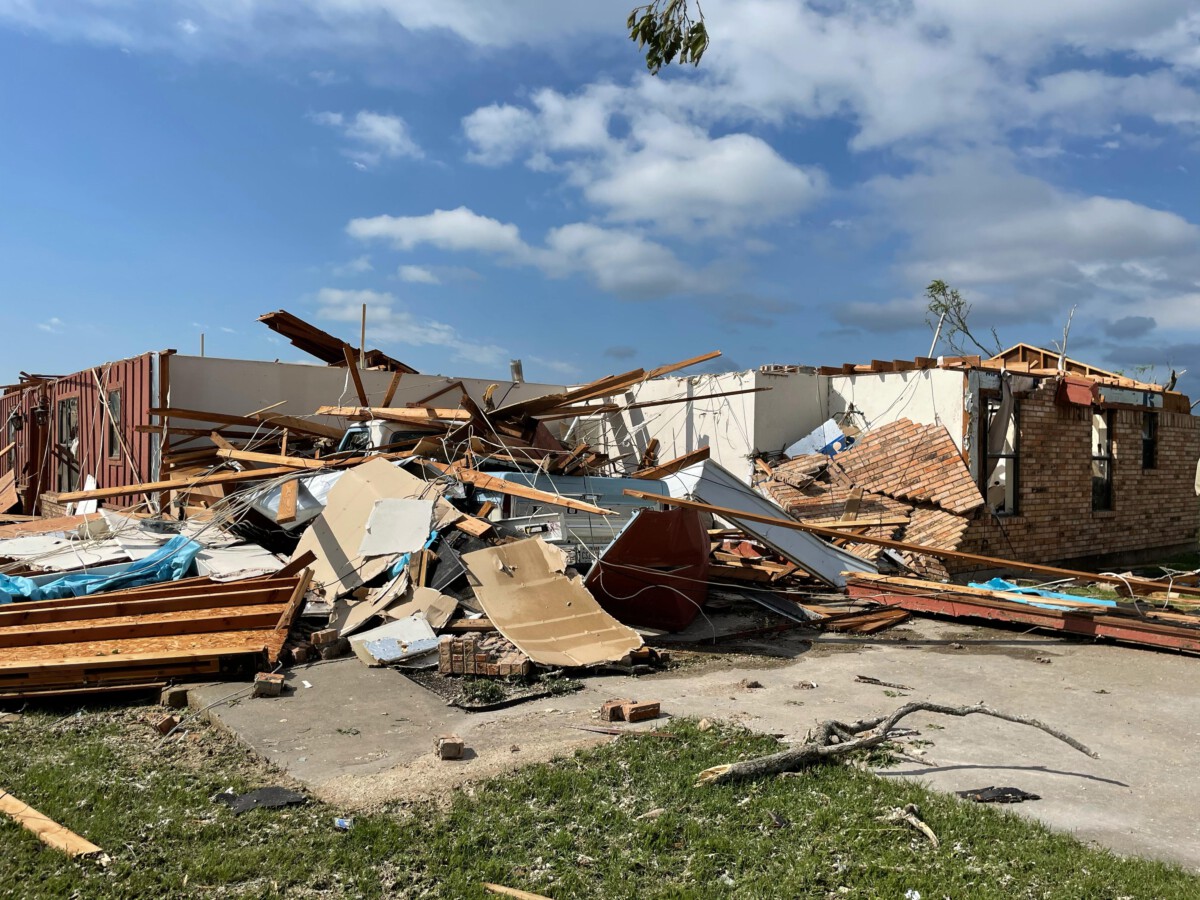
PG&E crews worked through the night to repair infrastructure, restoring power to tens of thousands by early Sunday. The utility estimated full recovery by overnight, though isolated pockets might linger longer. Hurricane cleanup added layers of complexity, with fallen debris blocking access to substations.
City officials coordinated with transit agencies to reroute services and provide updates via social media. The event underscored the fragility of urban grids against natural forces, especially during peak holiday travel. As lights flickered back on, businesses tallied losses from spoiled perishables and canceled events.
Key Takeaways
- The outage impacted over 130,000 customers, representing about 30 percent of San Francisco at its worst.
- Public transit like BART and Muni halted operations, stranding passengers in unpowered stations.
- Waymo vehicles stalled due to failed signals, exposing limits of autonomous driving in blackouts.
This holiday disruption serves as a stark reminder of how quickly nature can upend modern city life, from electrified rails to driverless rides. As San Francisco rebounds, the incident prompts broader discussions on resilience. What steps should cities take to weather such storms? Share your thoughts in the comments.