House Approves Landmark Citizenship Proof Mandate (Image Credits: Assets.realclear.com)
The U.S. House of Representatives passed the Safeguard American Voter Eligibility Act, thrusting voter identification requirements back into the national spotlight ahead of the 2026 midterms.[1][2]
House Approves Landmark Citizenship Proof Mandate
Republicans led the charge on February 11, 2026, when the House approved the SAVE Act by a narrow margin.[1] The legislation requires states to demand documentary proof of U.S. citizenship before processing federal voter registration applications. Acceptable documents include REAL ID-compliant identification that indicates citizenship status.
Proponents argued the measure bolsters election integrity by ensuring only citizens register to vote. States must also create programs to remove noncitizens from voter rolls using federal data. President Trump has signaled readiness to issue an executive order if the Senate stalls the bill.[3] Critics warned of implementation hurdles and potential disenfranchisement for eligible voters lacking easy access to such documents.
State Voter ID Landscape Shows Patchwork Enforcement
Thirty-six states already request or require some form of identification at the polls, leaving 14 states and Washington, D.C., without such mandates.[4] Recent changes highlight a trend toward stricter rules: West Virginia shifted to photo ID requirements in 2025, while Wisconsin voters enshrined photo ID in its constitution that same year.
| Category | Number of States | Examples |
|---|---|---|
| Strict Photo ID | 23 | Georgia, Indiana, Ohio, Wisconsin |
| Non-Strict Photo ID | 10 | Florida, Kentucky, Texas |
| Non-Photo ID | 3 | Alaska, Colorado, Hawaii |
These variations create confusion for voters crossing state lines or during federal elections. Federal law under the Help America Vote Act already requires ID for certain first-time mail registrants.
Polls Reveal Overwhelming Bipartisan Backing
A Pew Research Center survey from August 2025 found 83 percent of Americans favor requiring government-issued photo ID to vote, including 95 percent of Republicans and 71 percent of Democrats.[5] This support persists despite partisan divides on other voting reforms.
Recent polls echo these findings, with over 80 percent overall approval and majority Democratic backing.[6] Such numbers underscore a disconnect between public sentiment and some lawmakers’ positions, fueling Republican calls to prioritize the issue in campaign rhetoric.
- 83% overall support for photo ID (Pew, 2025).
- 71% of Democrats in favor.
- 95% of Republicans endorse the requirement.
- Similar majorities back paper ballot backups and early voting.
Balancing Security and Access in the Voter ID Debate
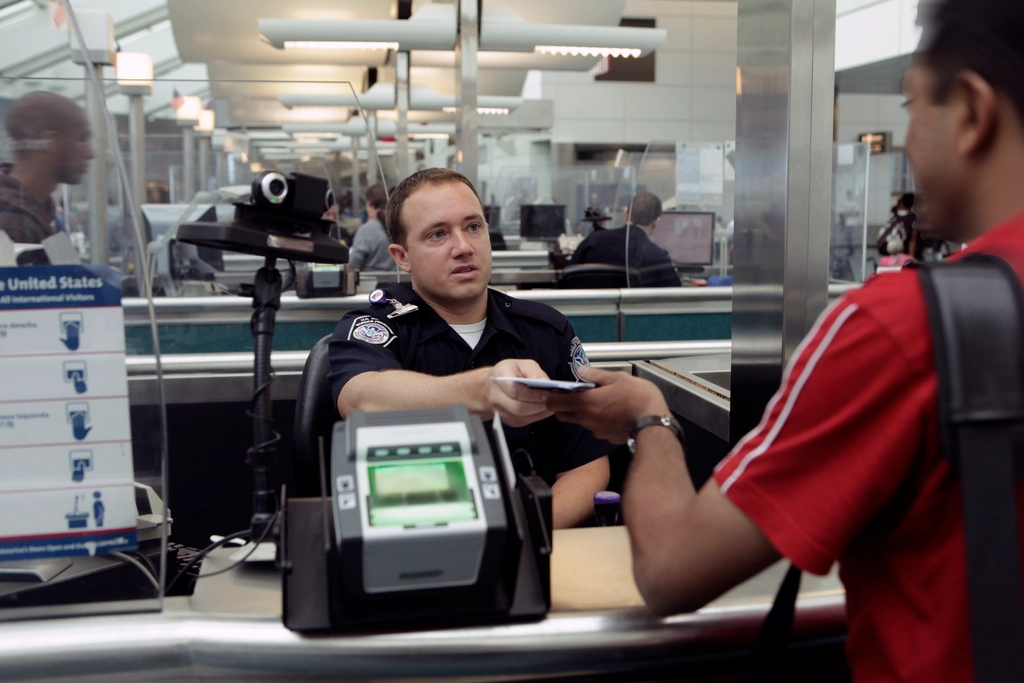
Supporters maintain voter ID prevents fraud and mirrors everyday verification like banking or air travel. Noncitizen voting remains rare, but advocates cite it as a vulnerability worth addressing.
Opponents highlight barriers for low-income, elderly, and minority voters who may lack documents; studies show up to 9 percent of eligible citizens face access issues.[1] Alternatives like database cross-checks offer security without upfront burdens, they argue.
- SAVE Act mandates citizenship proof for federal registrations, passed House in February 2026.
- 36 states enforce some ID at polls; trend toward photo requirements.
- 83% public support, crossing party lines, per recent polls.
As the SAVE Act awaits Senate action and midterms approach, the voter ID question tests America’s commitment to secure yet inclusive elections. Lawmakers face pressure to align policy with voter preferences. What do you think about nationwide voter ID requirements? Tell us in the comments.