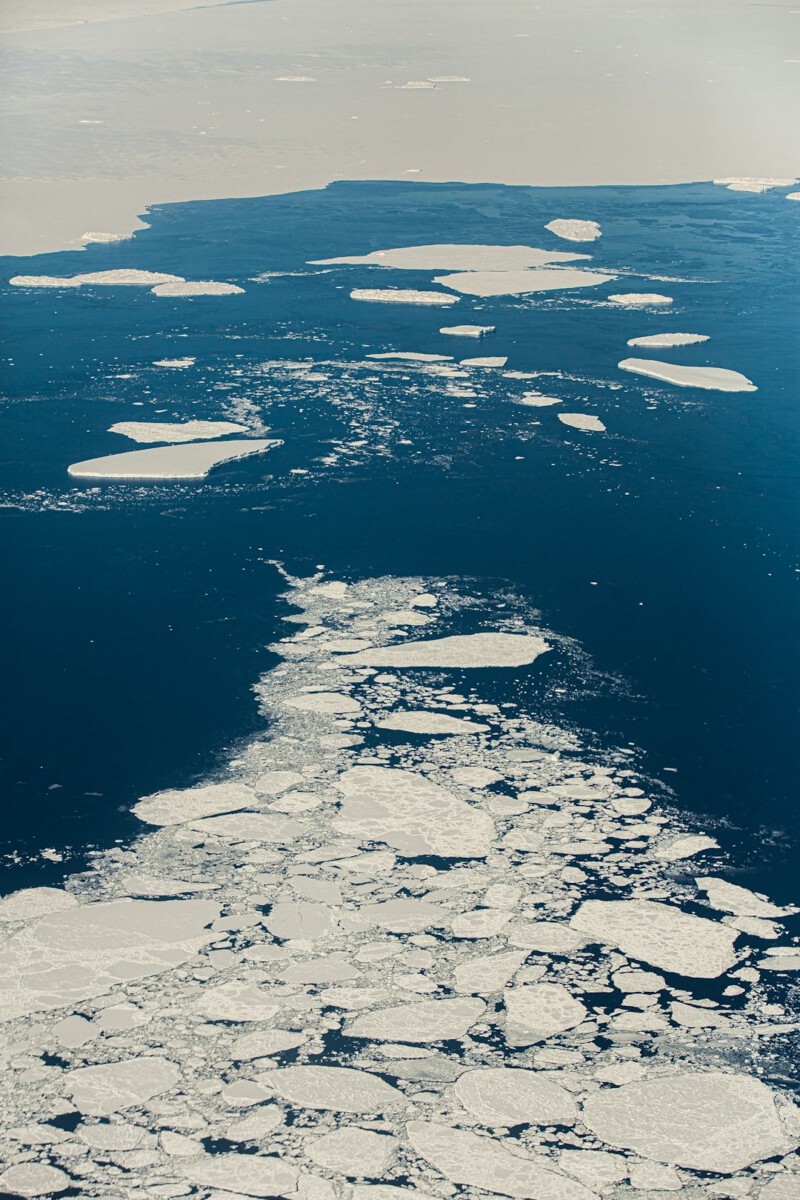
A Rare Haven in the Ice (Image Credits: Unsplash)
East Antarctica – Vivid cerulean meltwater lakes and channels transformed the Nivlisen Ice Shelf into a striking mosaic of blue during the 2026 summer melt season.[1][2] Nestled near this dynamic ice-free plateau in Queen Maud Land, the phenomenon underscored the region’s delicate hydrological balance. Researchers documented expanded melt features on January 6, highlighting trends observed over decades.[1]
A Rare Haven in the Ice
Schirmacher Oasis emerged as a focal point of natural drama amid Antarctica’s frozen vastness. This 25-kilometer-long rocky plateau, up to 3 kilometers wide, remained ice-free year-round due to katabatic winds, low precipitation, and summer sunlight.[2][3] Positioned between the Antarctic Ice Sheet and the Nivlisen Ice Shelf, about 100 kilometers from the Lazarev Sea, it hosted over 100 freshwater lakes, including epishelf types influenced by tidal ocean connections.[2]
Summer temperatures occasionally rose above freezing, awakening microscopic life in the lakes. Cyanobacteria thrived under constant sunlight, while tardigrades, rotifers, and nematodes populated the waters. Birds such as snow petrels soared overhead, and Adélie penguins occasionally ventured through the area. Research stations like Russia’s Novolazarevskaya and India’s Maitri supported glaciology and biology studies, with crews swelling to dozens during the warm months.[1][2]
Decoding the Blue Ice Phenomenon
Blue ice areas defined the landscape around Schirmacher Oasis, covering roughly 1 percent of Antarctica’s surface. Powerful katabatic winds and sublimation stripped away snow, exposing dense, ancient glacial ice compressed over millennia with minimal air bubbles. This ice absorbed red light wavelengths and scattered blue ones, creating its signature hue.[1]
Meltwater added another layer of brilliance. Seasonal ponds and channels filled with clear water that reflected cerulean tones as it flowed northward across the Nivlisen Ice Shelf, a floating extension of continental glaciers. These features appeared transiently, often hidden by snow or ice outside peak summer.[1] The low albedo of blue ice exacerbated melting by absorbing more solar energy than surrounding snow.
Escalating Melt Patterns Since 2000
The 2026 season marked a notable escalation in surface melting on the Nivlisen Ice Shelf. Satellite observations captured expansive drainage networks at their peak on January 6, revealing "cerulean veins" aligned with deeper hydrological pathways.[1] "The image captures the Nivlisen Ice Shelf during a phase of strong, system-wide hydrological connectivity," noted Geetha Priya Murugesan, a remote sensing scientist at Jyothy Institute of Technology in Bengaluru, India.
Analysis of decades of data showed melt ponds and channels had deepened and expanded significantly. Depth and volume increased by a factor of 1.5, while surface area grew by 1.2 times compared to earlier records. Fieldwork in 2026 confirmed these trends, linking intense events to atmospheric rivers and foehn winds that funneled warm air over the ice.[1]
Vulnerabilities Exposed by Melt Channels
Drainage networks traced preexisting crevasses and structural weaknesses, particularly near the grounding line where ice met bedrock. This concentration of water acted as hydraulic pathways, potentially undermining shelf integrity. Murugesan highlighted how such visibility signaled deeper risks, as meltwater exploited fractures to weaken the ice from above and below.[1]
While the Nivlisen Ice Shelf endured as a stable feature, growing melt volumes raised concerns among scientists. Ongoing monitoring through radar and optical imagery aimed to quantify changes, especially after what appeared as a strong melt year.
Key Takeaways
- Blue ice around Schirmacher Oasis reflects compressed glacial ice exposed by winds, covering 1% of Antarctica.
- Melt features on Nivlisen Ice Shelf grew 1.5 times deeper and 1.2 times larger in area since 2000.
- Atmospheric rivers and low-albedo surfaces drive intensified summer melting, tracing ice vulnerabilities.
Schirmacher Oasis offered a window into Antarctica’s evolving cryosphere, where fleeting blue spectacles masked underlying shifts. As melt seasons intensify, sustained observations will prove essential for understanding broader ice dynamics. What impacts might these changes hold for East Antarctica’s stability? Share your thoughts in the comments.