
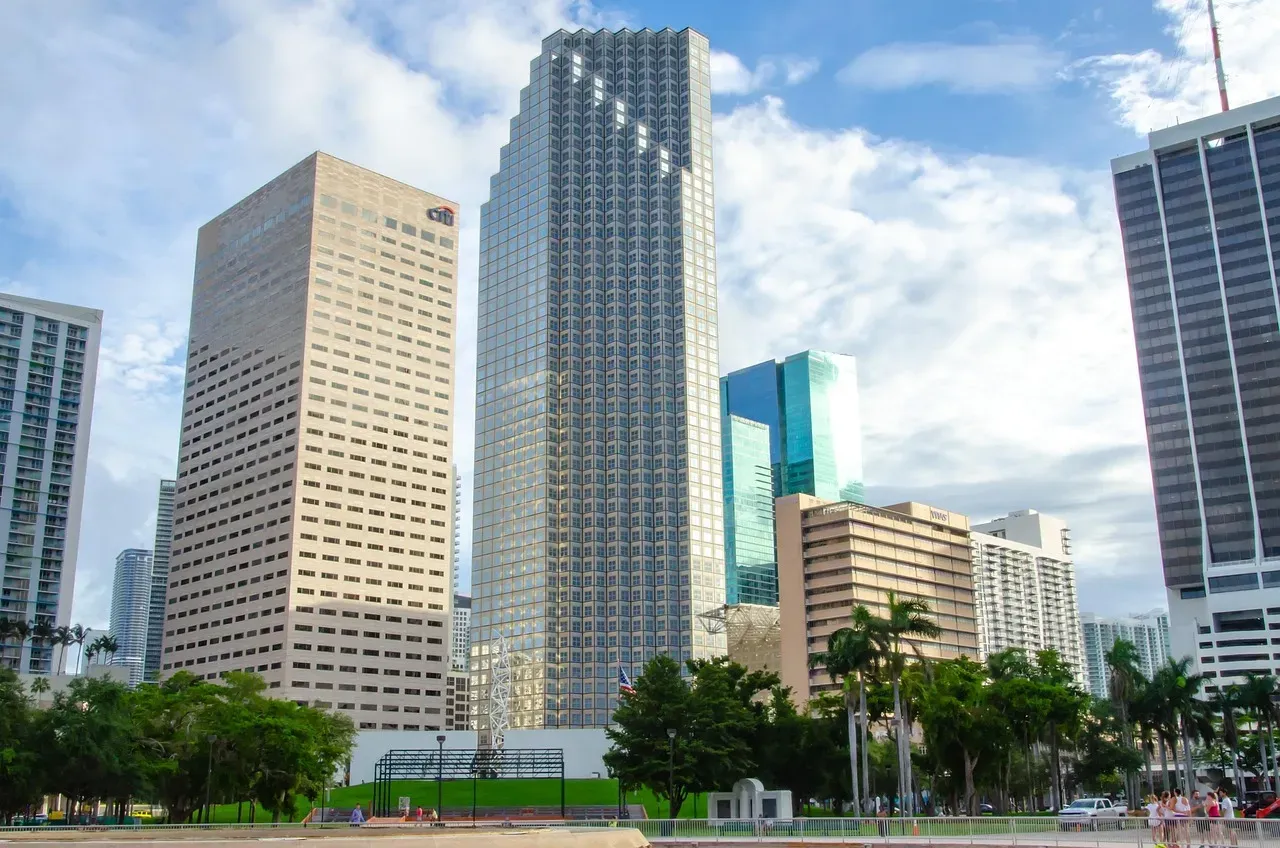
Picture this: high-rise condos rising in glamorous Brickell, Miami’s hotspot, when workers stumble on bones from 3,500 years ago. This isn’t some movie plot. It’s a real dig that’s cracking open Florida’s hidden past, hinting at thriving communities long before Europeans showed up.
Let’s be real, urban development usually bulldozes history, but here it unearthed a portal to prehistoric life. Stick around to see how this spot in the Sunshine State is flipping the script on what we thought we knew.[1]
The Urban Dig That Started It All
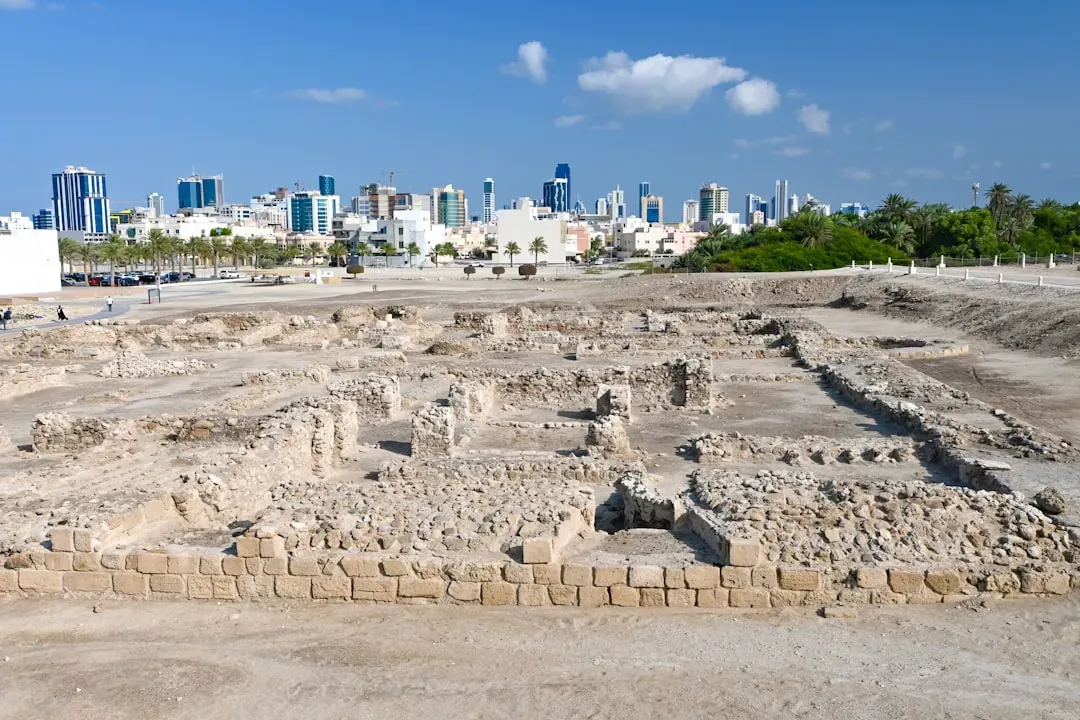
Construction kicked off in December 2023 at 1809 Brickell Avenue for the swanky St. Regis Residences. Developers demolished a 1960s tower, revealing limestone bedrock riddled with solution holes. Archaeologists jumped in under city orders, expecting minor finds at best.
Instead, they hit paydirt with fire pits and shell middens right away. This bayfront lot covers 3.23 acres, smack in Miami’s heart. Honestly, it’s wild how ancient life hid under concrete jungles.[1]
Meet Bob Carr, the Discovery’s Leader
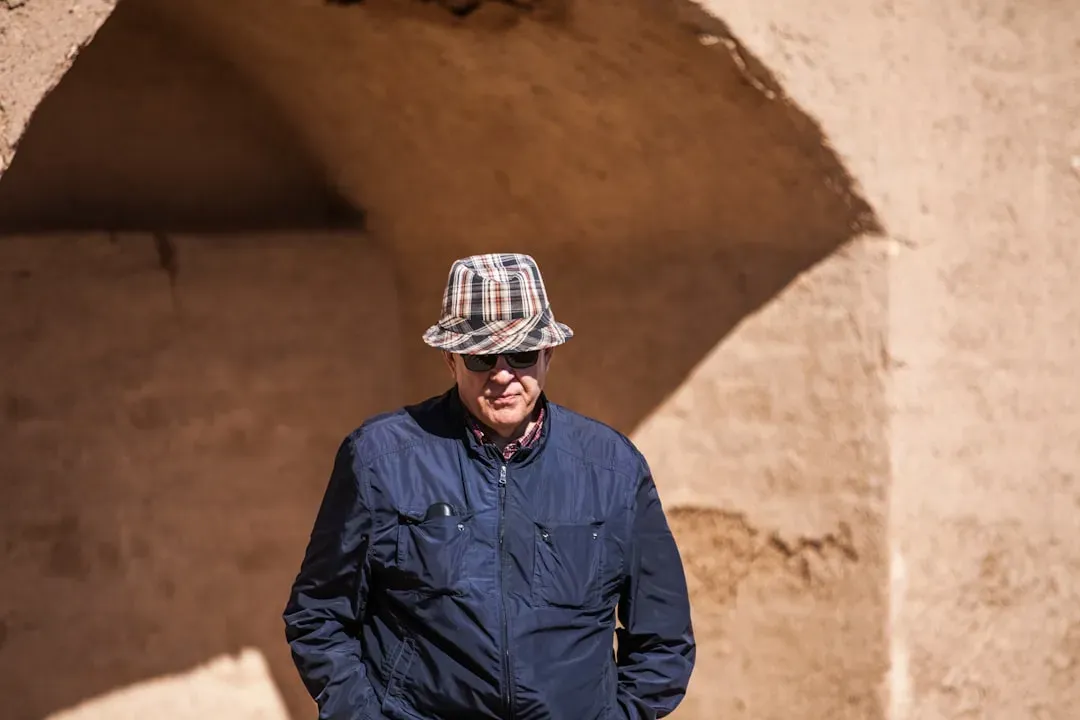
Bob Carr heads the South Florida Archaeological and Historical Conservancy. His team issued a preliminary report in October 2024 after months of sifting. Carr’s no stranger to Miami digs; he’s uncovered Tequesta villages before.
Under his watch, the site yielded human remains handled per state reburial laws. Traci Ardren from the University of Miami calls it a game-changer for local prehistory. These pros know a landmark when they see one.
Their careful work preserved artifacts in secure storage. It’s pros like these keeping history alive amid cranes and steel.[1]
Fire Pits and Everyday Life
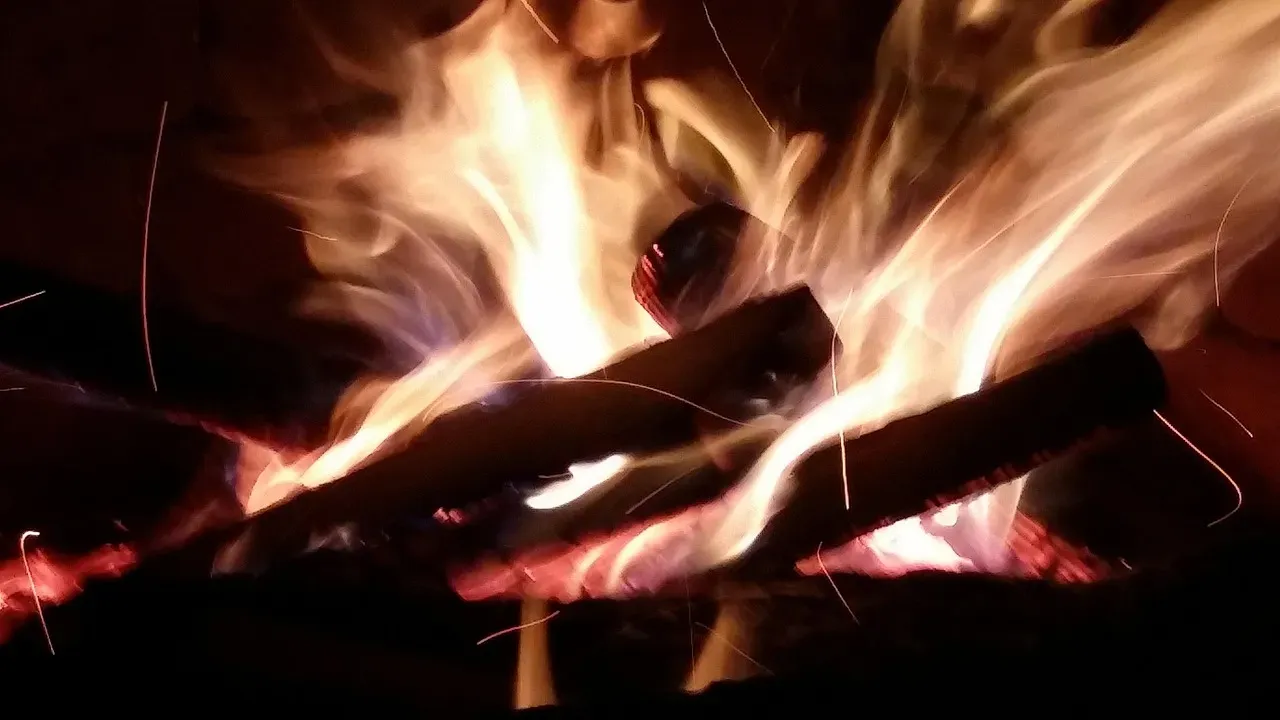
Traces of ancient campfires dotted the site, signs of folks cooking millennia ago. Animal bones and shells piled up in middens, showing diets rich in fish and game. These garbage heaps turned out to be treasure troves.
Pottery shards and stone tools emerged too, from simple spears to everyday gear. It paints a picture of settled hunters right on Biscayne Bay. I know it sounds basic, but these details humanize the past.
Such finds span periods, linking Archaic nomads to later cultures.[1]
The Heartbreaking Infant Burial
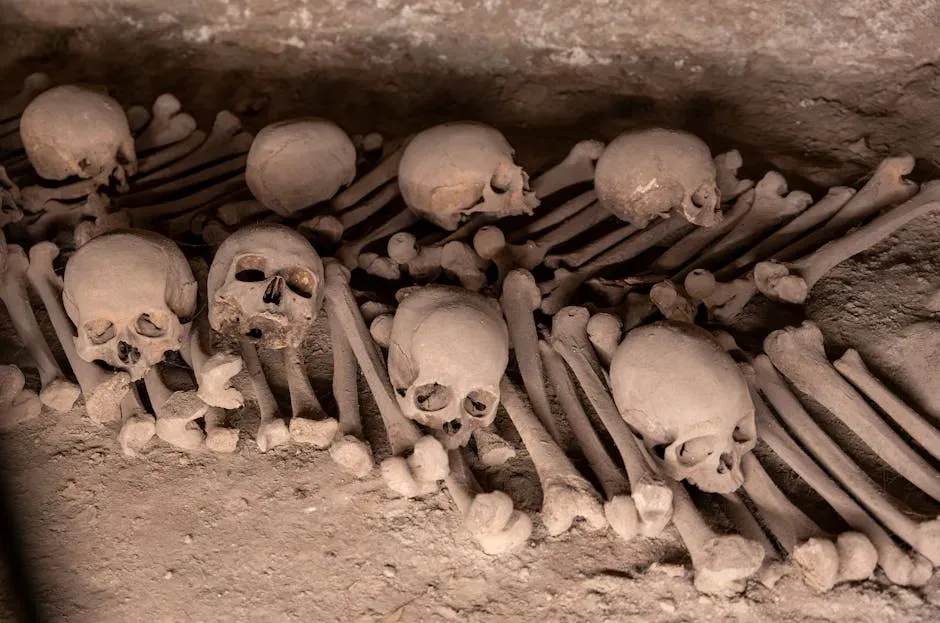
A formally buried infant stole the show, placed with care in the limestone. This ritual hints at deep beliefs in the afterlife. It’s one of the site’s most poignant discoveries.
Marks it as a cemetery, not just a camp. Experts link it to Late Archaic peoples around 3,500 years back. Finding kids like this tugs at you, reminding us these were families.
Two such extensive Archaic cemeteries now known in Brickell. That’s huge for Florida’s timeline.[1]
Tools and Weapons Speak Volumes
Projectile points and tools suggest skilled hunters roamed here. Shells from clams and fish filled middens, proof of bay bounty. Later bits, like a pewter cross, show site reuse into colonial times.
Glades II pottery points to evolving cultures over millennia. This mix rewrites Brickell as a hub, not empty land. Here’s the thing: everyday objects tell epic stories.
They bridge 1,000 to 3,500 years of occupation.[1]
Dating Methods Unlock the Timeline
Radiocarbon and stratigraphy peg the oldest layers at 3,500 years. Layers stack from Archaic to Glades II, a continuous thread. No guesswork; science nails the ages.
This pushes back known settlements in urban Miami. Confirms 1990s hints of bayfront activity. It’s like finding a time capsule under skyscrapers.
Preserved limestone holes acted as natural archives.[1]
Tequesta Ties and Cultural Links
Likely Tequesta or ancestors used this spot for generations. Their bayfront lifestyle shines through middens and burials. Miami’s original people thrived here longer than thought.
One of North America’s oldest coastal spots. Challenges views of sparse Archaic life. These folks engineered their world smartly.
Experts see it confirming presumed remnants nearby.[1]
Why It’s Rewriting Florida’s Story
Before, Brickell seemed late-settled; now it’s a prehistoric hotspot. Pushes complex societies back centuries. American history starts earlier in the South.
Forces rethink of indigenous timelines nationwide. Urban Miami hides deep roots. Shocking how development reveals truths.
This “gateway” swings wide on forgotten eras.[1]
Preservation Battles in Boomtown Miami
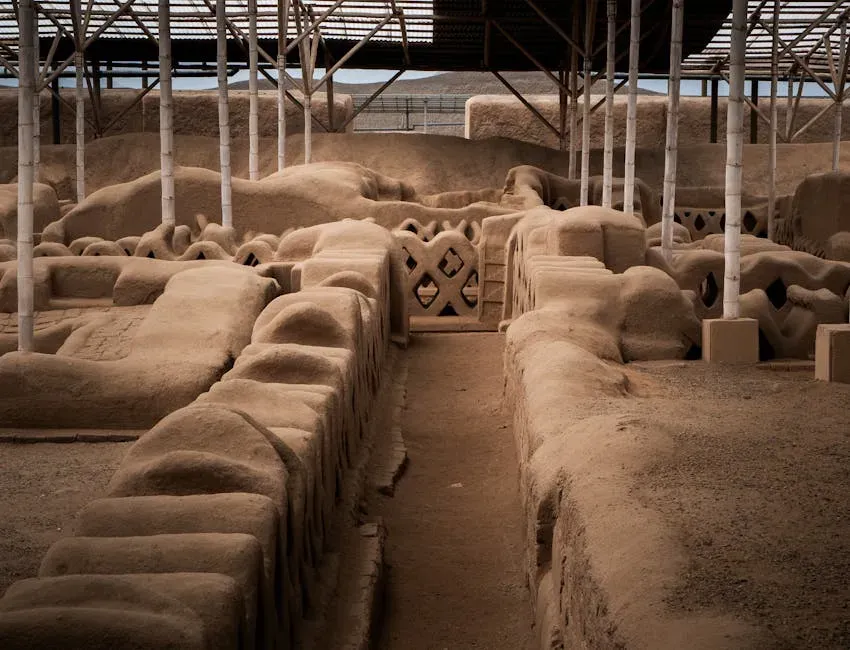
City redacted burial details at first, sparking outcry. Carr pushes saving green space and middens intact. Developers Related Group followed rules, but future hangs.
Archaeological plan pending; reburials required. Cranes loom as digs continue. Balancing growth and ghosts ain’t easy.
Historic board skipped review, raising eyebrows.[1]
A Gateway to Bigger Mysteries
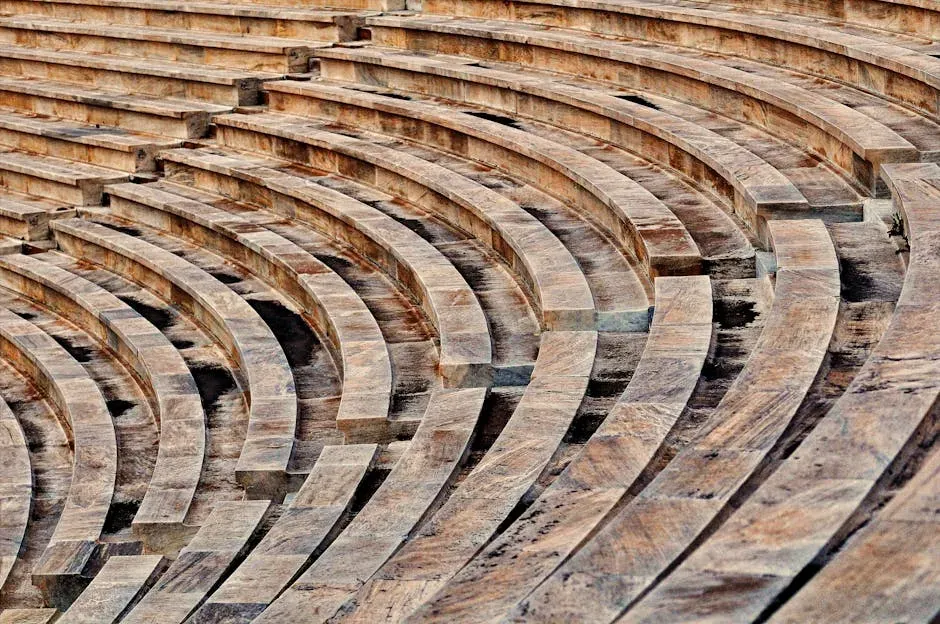
This find echoes others, like Miami Circle nearby. Hints at networks across Florida Bay. Could link to broader Southeast patterns.
More digs might reveal trade or rituals. It’s sparking fresh research statewide. Who knows what else sleeps under condos?
One door opens many.[2]
What Comes Next for This Ancient Site
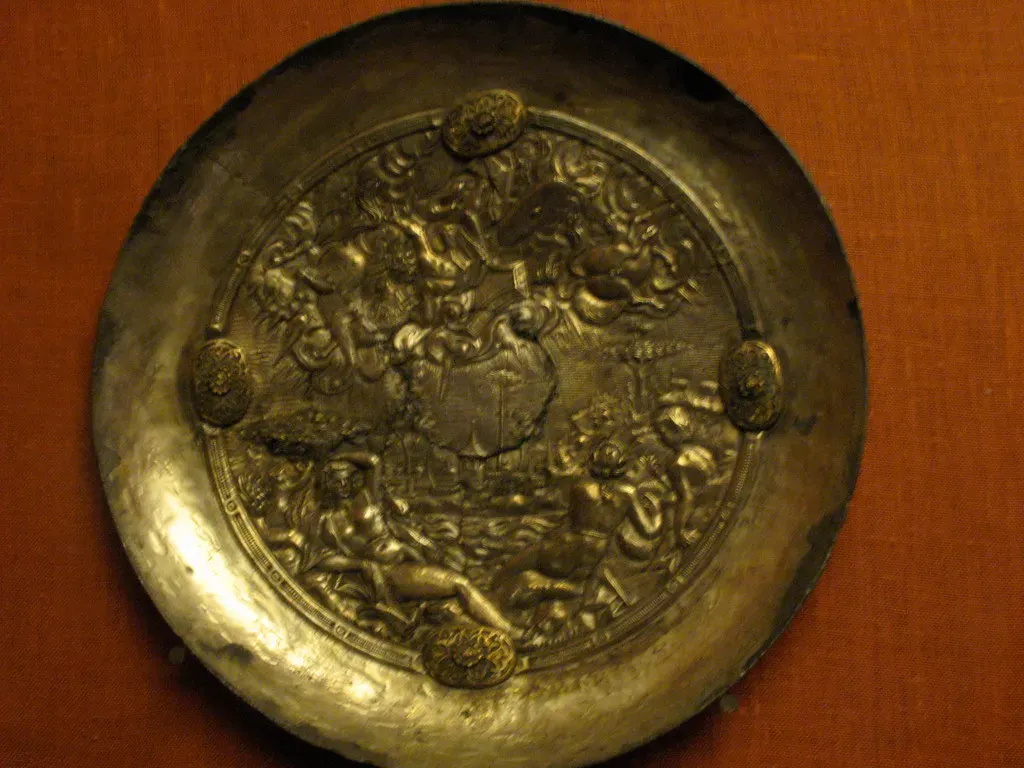
Excavation wraps soon, artifacts curated safely. Reburials honor the dead. Miami weighs preservation amid luxury builds.
It spotlights indigenous heritage in daily life. Schools and museums will showcase it. Florida’s past demands respect.
This gateway endures, reshaping our story. What hidden histories lurk near you?[1]