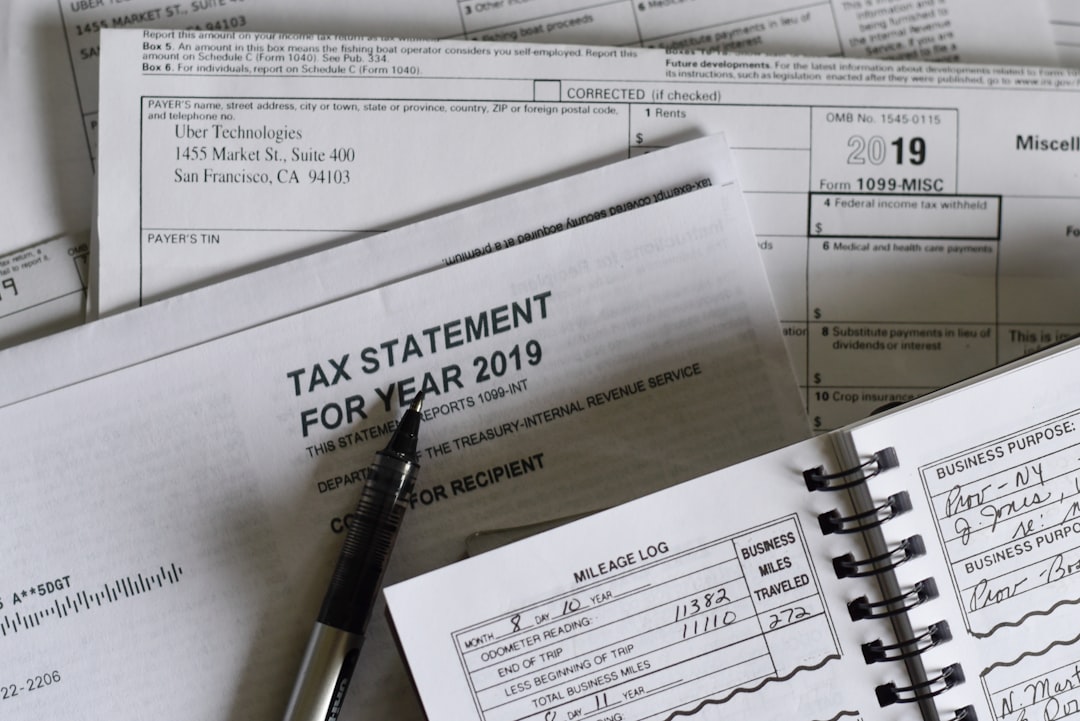
IRS Filing Window Opened Weeks Ago – Act Before the Final Push (Image Credits: Unsplash)
As the April 15 deadline approaches, millions of Americans still prepare their 2025 tax returns. The IRS opened the 2026 filing season on January 26, allowing early submissions that process refunds in as little as 21 days for e-filers.[1][2] With current date marking April 8, filing now avoids last-minute rushes and potential delays.
IRS Filing Window Opened Weeks Ago – Act Before the Final Push
The Internal Revenue Service announced January 26, 2026, as the start date for accepting 2025 federal tax returns. Taxpayers who submitted early benefited from lighter processing loads and quicker turnaround times. The agency anticipates around 164 million individual returns this season.[1]
Even at this stage, early filers relative to the deadline gain advantages. E-filing remains the fastest method, with direct deposit refunds arriving within three weeks for most error-free returns. Paper filings take longer, often six to eight weeks.
Key Benefits That Make Early Filing Worth It
Submitting your return ahead of the crowd delivers your refund sooner if owed one. This extra cash can fund spring expenses or debt reduction without delay. Financial experts note that early filers often see funds deposited by early March.[3]
Early action reduces stress from accumulating paperwork and calculations. It also lowers error risks amid peak-season chaos. Another safeguard involves identity theft protection; filing first blocks fraudulent claims using your information.[4] Those owing taxes gain time to arrange payments without penalties.
Gather These Documents First for Smooth Preparation
Organization forms the foundation of timely filing. Start with personal details including Social Security numbers and birth dates for yourself, spouse, and dependents. Employers must provide W-2 forms by January 31, detailing wages and withholdings.[5]
Freelancers and gig workers need 1099 series forms for non-employee income, interest, or dividends. Deduction seekers should collect mortgage interest statements (1098), charitable receipts, and medical expense records. Review last year’s return for carryovers like estimated payments.
- W-2 from all employers
- 1099-NEC or 1099-MISC for self-employment
- 1099-INT for bank interest
- 1098 for home loan interest
- Child care provider details and receipts
- Health insurance Form 1095 series
- Rental property records if applicable
The IRS recommends creating an online account at IRS.gov to track transcripts and forms digitally.
Step-by-Step Process to Submit Without Delays
Verify all income sources match reported figures before starting. Use IRS Free File if your income qualifies under program limits, available since early January.[1] Commercial software like TurboTax guides users through deductions.
Choose direct deposit for speed; enter accurate bank routing and account numbers. Double-check math and eligibility for credits like Earned Income Tax Credit. Transmit via e-file on or after January 26 to ensure acceptance.
If owing taxes, calculate payments to avoid underpayment penalties. Extensions to October 15 require Form 4868 but demand estimated payments by April 15.
Key Takeaways
- File e-file with direct deposit for refunds in 21 days or less.
- Gather W-2s and 1099s immediately to avoid holds.
- Early submission shields against fraud and end-of-season backlogs.
Filing early transforms tax season from a burden into a strategic win. Millions receive refunds promptly, easing financial pressures. What steps will you take next? Share in the comments.