Investigation Targets Key Players in AV Development (Image Credits: Unsplash)
Massachusetts Senator Ed Markey conducted a detailed investigation into the operations of leading self-driving car companies, uncovering their significant dependence on human staffers to manage tricky driving scenarios. The probe, which started in early February, targeted firms promising near-total automation but still relying on remote assistance when software faltered. Markey’s findings exposed gaps in transparency and raised urgent questions about safety standards in this fast-evolving sector.
Investigation Targets Key Players in AV Development
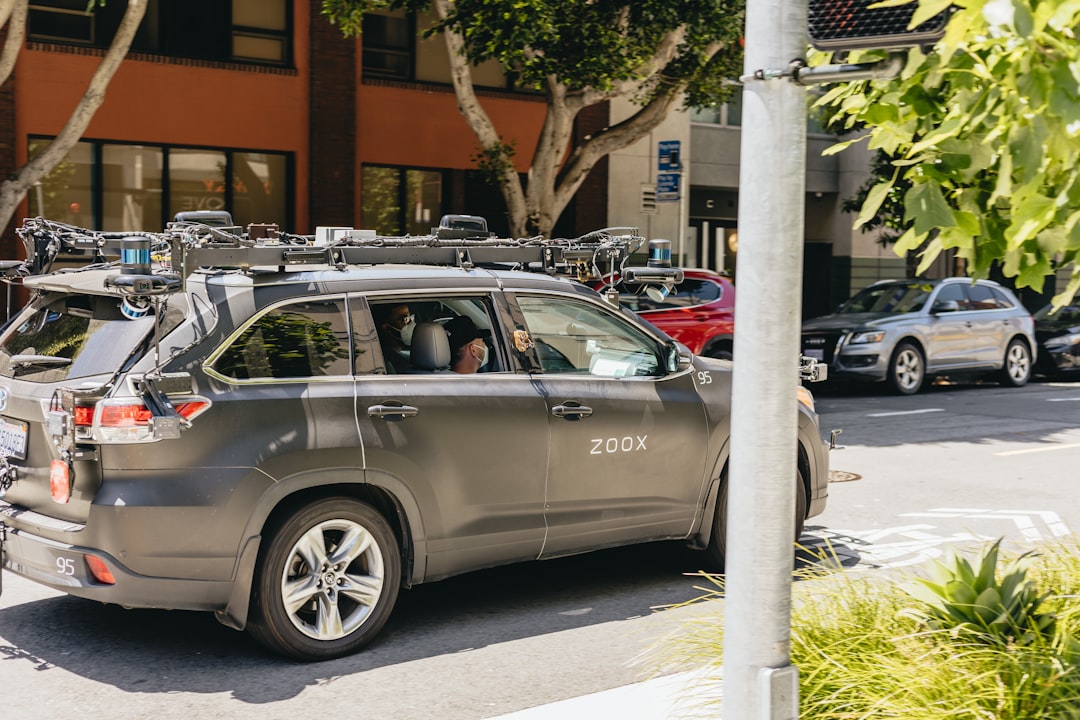
Senator Markey’s office sent formal letters to seven prominent autonomous vehicle companies: Aurora, May Mobility, Motional, Nuro, Tesla, Waymo, and Zoox. The inquiries sought specifics on the deployment of human remote operators, including frequency of interventions and operational protocols. None of the recipients provided data on how often these staffers stepped in to guide vehicles through uncertain situations.
This reluctance to disclose details underscored broader issues of opacity in the industry. Markey’s team compiled responses that revealed inconsistencies across the board, prompting deeper scrutiny of behind-the-scenes human involvement.
Waymo Stands Out with Offshore Operator Reliance
Among the companies examined, Waymo emerged as unique in its practices. It alone based remote operators outside the United States and employed a substantial number of them without U.S. driver’s licenses. These arrangements drew particular attention for potential impacts on real-time decision-making.
“My investigation revealed a wide range of concerning practices,” Markey said in a statement, “from employees assisting vehicles from overseas to wide variations in communication lag times between vehicles and human operators.” Such differences highlighted the patchwork nature of remote support systems.
Persistent Safety Concerns from Human Interventions
Remote operators introduced several risks, including communication delays that could hinder quick responses. Operator fatigue posed another threat, potentially leading to misguided instructions during critical moments. Unplanned vehicle stops, often requiring human input, disrupted traffic and complicated emergency responses in cities like San Francisco.
A Fast Company investigation analyzed public transit reports from San Francisco, pointing to shortcomings in call centers meant for handling incidents. These centers, staffed partly by remote teams, struggled with coordination during technology glitches. Local officials expressed frustration over the ripple effects on daily operations and public safety.
Industry Defenses and Push for Federal Oversight
The companies maintained that their vehicles did not rely on direct remote control. Instead, human teams offered advice to onboard software, which retained the ability to disregard suggestions. Responses to Markey’s letters defended these setups as supplementary safety measures rather than core dependencies.
Markey responded by writing to the National Highway Traffic Safety Administration on Tuesday, calling for a comprehensive review. “These results reveal an industry that is deeply opaque about its reliance on human operators, resistant to meaningful accountability, and in urgent need of federal oversight,” he stated in the letter. He acknowledged the value of remote help but stressed the absence of uniform safeguards.
The senator also signaled plans to introduce legislation targeting human roles in autonomous systems. This follows his prior support for bills restricting AV operations and criticisms voiced at recent congressional hearings.
Here are the companies involved in Markey’s probe:
- Aurora
- May Mobility
- Motional
- Nuro
- Tesla
- Waymo
- Zoox
Key Takeaways:
- AV firms withheld data on intervention frequency, fueling transparency concerns.
- Waymo’s use of non-U.S. operators without local licenses sets it apart.
- Calls grow for NHTSA oversight amid risks like latency and fatigue.
As self-driving technology advances, the hidden human element demands clearer rules to protect public safety. Senator Markey’s actions spotlight the gap between automation hype and reality. What steps should regulators take next? Share your thoughts in the comments.