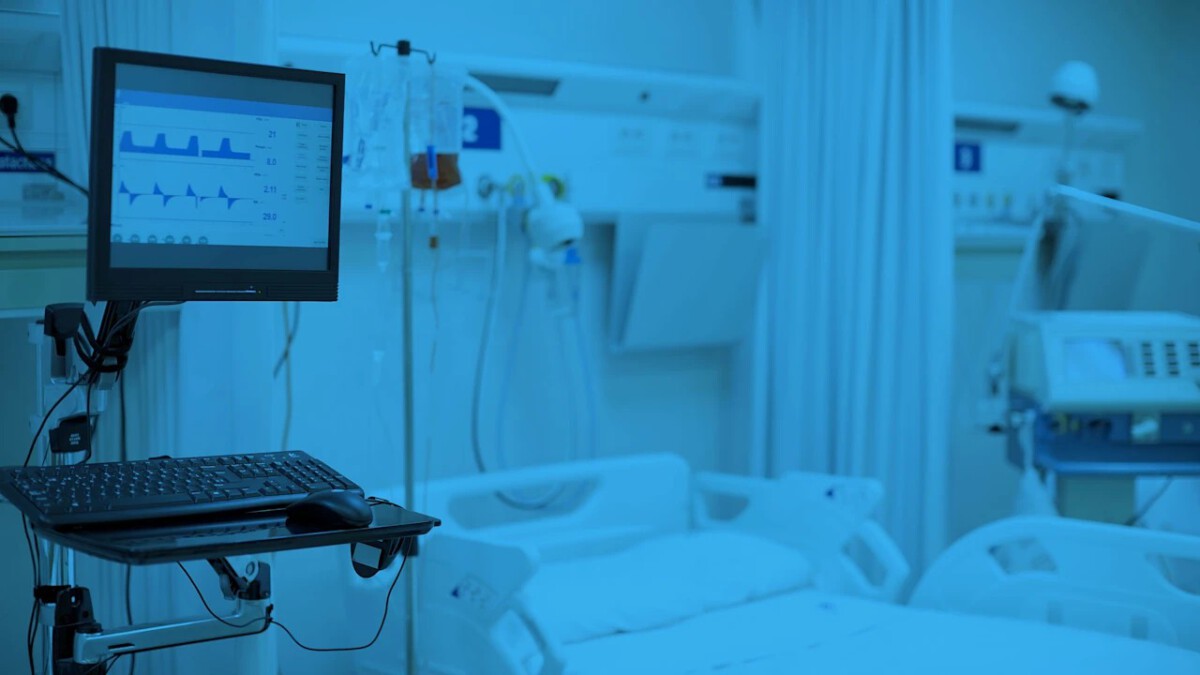
Alarm Fatigue’s Hidden Toll (Image Credits: Images.fastcompany.com)
Intensive care units buzz with constant alarms from monitoring equipment, taxing healthcare workers and hindering patient rest essential for healing.
Alarm Fatigue’s Hidden Toll
Healthcare professionals face a daily onslaught of alerts that often prove false or routine, leading to exhaustion and delayed responses to true emergencies. This phenomenon, known as alarm fatigue, has drawn attention in medical research for years. Ophir Ronen, a veteran tech entrepreneur, recognized the issue during volunteer work in search and rescue. He drew parallels to challenges in IT operations, where excessive notifications overwhelm teams.
Ronen previously sold his alert-management company, Event Enrichment HQ, to PagerDuty. That experience inspired him to address the ICU’s unique version of the problem. No comprehensive fix had emerged despite widespread discussion. Hospitals generate vast data from sensors tracking vital signs, yet this information rarely integrates with electronic medical records.
CalmWave Emerges with Unified Intelligence
In 2022, Ronen launched CalmWave, supported initially by the Allen Institute for AI’s incubator. The platform merges data from patient monitoring systems and electronic medical records into a single dashboard. Staff gain a clear view of vital signs alongside treatment histories, like medication timings, without switching screens. Machine learning algorithms then suggest personalized alarm threshold adjustments, supported by clinical rationale.
The system prioritizes actionable alerts while muting others, restructuring notifications rather than simply suppressing them. Ronen stressed that CalmWave avoids opaque generative AI models, favoring transparent machine learning. This approach has earned trust from clinicians. Deployment now spans 14 hospitals, bolstered by a $4.4 million funding round in June from investors including Third Prime and Bonfire Ventures.
Early Wins from Real-World Pilots
A pilot with Wellstar Health System, detailed in a case study, demonstrated striking results. Non-actionable alarms dropped by 58%, easing interruptions for clinicians. Patients experienced about 10 fewer hours of alarm exposure on average. These outcomes highlight potential for broader efficiency gains.
Key improvements include:
- Reduced clinician stress through fewer false alerts.
- Enhanced decision-making with integrated data views.
- Customized thresholds backed by evidence.
- Shorter overall noise exposure for better sleep.
- Scalable deployment across multiple facilities.
Recovery State: Charting Paths Home
CalmWave recently unveiled Recovery State, a tool to spot signs of improvement in ICU patients. It analyzes combined data streams to match profiles against recovery benchmarks, aiding decisions on transfers or discharges. Clinicians retain final authority, ensuring safety. The feature promises to shift focus from decline detection to progress confirmation.
Ronen noted that healthcare excels at spotting deterioration but lacks objective measures for recovery. Rollout is slated for this year. Successful adoption could free ICU beds faster, cut costs, and improve resource allocation. Hospitals stand to benefit from data-driven insights into patient trajectories.
Key Takeaways
- CalmWave integrates siloed data to combat alarm fatigue effectively.
- Pilots show 58% fewer non-actionable alarms and reduced patient exposure.
- Recovery State could accelerate discharges while prioritizing clinician judgment.
CalmWave’s innovations offer a blueprint for quieter, more efficient ICUs that prioritize both staff well-being and patient outcomes. As adoption grows, the startup may redefine how hospitals measure healing. What impact could these tools have on your local healthcare? Share your thoughts in the comments.