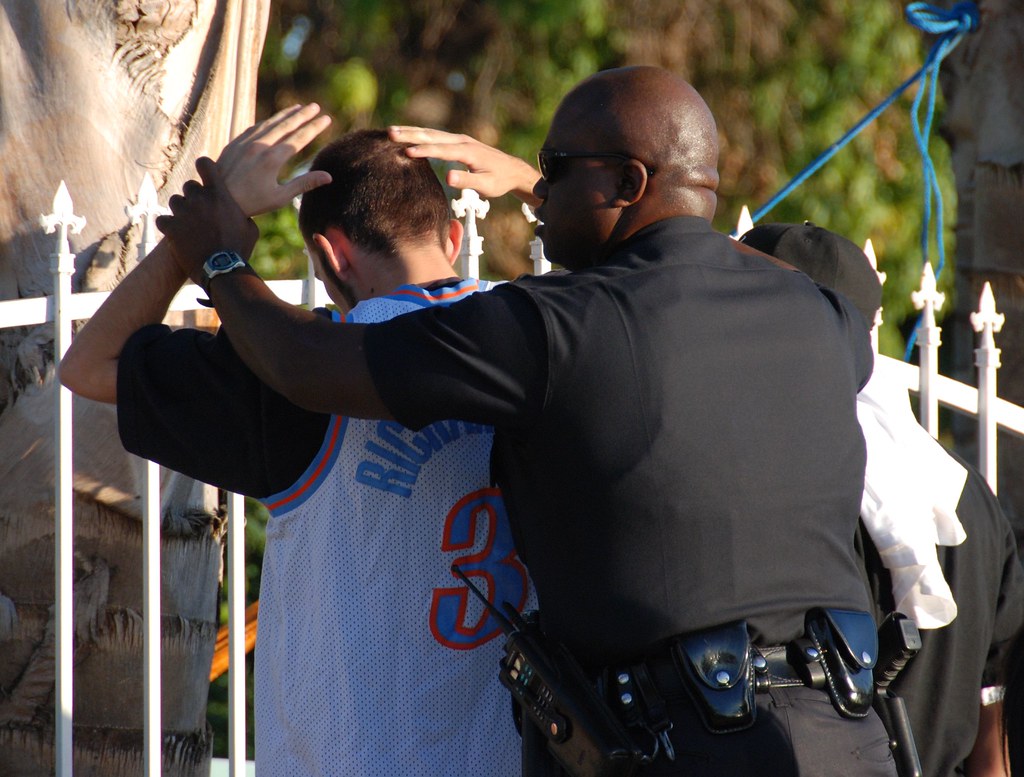


A Bust That Traced Back to Cartel Roots (Image Credits: Flickr)
Downey, California – Federal authorities recently concluded a significant chapter in a drug trafficking investigation tied to Mexico’s notorious Sinaloa cartel, where two local men met starkly different outcomes.
A Bust That Traced Back to Cartel Roots
The case began with routine surveillance that quickly escalated into a major federal probe. Investigators from Homeland Security Investigations identified a Downey apartment complex as a key distribution point for illegal narcotics. Agents observed the suspects handling suspicious packages, leading to suspicions of large-scale methamphetamine operations.
By April 2022, evidence pointed directly to the Sinaloa cartel’s involvement as the primary supplier. The men, both in their twenties, faced charges after a controlled sting operation uncovered pounds of methamphetamine and fentanyl. This operation not only confirmed their roles but also highlighted the cartel’s reach into suburban Southern California neighborhoods.
Court documents detailed how the duo transported drugs in everyday containers, blending their activities seamlessly into daily life. The investigation spanned months, culminating in arrests that disrupted a steady flow of cartel-sourced substances into the U.S. market.
Guilty Pleas and the Path to Justice
Both individuals entered guilty pleas to conspiracy charges related to methamphetamine distribution. The younger suspect, Julio Cesar Nevarez-Erunez, appeared in a Sacramento federal courtroom on December 4, 2025, where a judge imposed a sentence of nearly six years in prison. This ruling reflected the severity of the offenses, including the sheer volume of drugs involved.
Federal prosecutors emphasized the dangers posed by fentanyl, a substance often mixed with methamphetamine in such operations. Nevarez-Erunez’s cooperation during the proceedings likely influenced the final term, though it underscored the ongoing battle against cartel networks. The sentencing served as a reminder of the long arm of U.S. law enforcement in combating cross-border trafficking.
The Elusive Partner: A Fugitive Emerges
In contrast, Juan Niebla-Osuna vanished before his own court date, turning the case into a manhunt. Released on bond earlier in the year, he failed to appear for sentencing, prompting authorities to issue a bench warrant for his arrest. This development complicated the prosecution’s efforts and raised questions about potential support networks aiding his flight.
Investigators believe Niebla-Osuna’s disappearance occurred months ago, possibly as he anticipated the gravity of the charges. The U.S. Attorney’s Office in Sacramento has offered no further details on his whereabouts, but the case files reveal his deep involvement in the smuggling hub. Public tips now play a crucial role, as federal agents widen their search across possible escape routes.
Here are key elements from the investigation that led to these outcomes:
- Surveillance captured the men carrying duffel bags and boxes suspected to hold narcotics.
- A sting with a confidential informant resulted in a sale of 15 pounds of methamphetamine for nearly $20,000.
- Additional seizures included heroin, linking the operation firmly to Sinaloa cartel suppliers.
- The Downey residence served as a central hub for storing and distributing the drugs.
- Months of monitoring outside the apartment revealed patterns of deliveries to buyers.
Broader Implications for Cartel Crackdowns
This Downey case fits into a larger pattern of federal efforts targeting Sinaloa cartel affiliates across the country. Similar investigations have led to dozens of indictments in recent years, focusing on fentanyl’s devastating impact on communities. Authorities stress that suburban areas like Downey often serve as unexpected fronts for such activities, far from the border hotspots.
The sentencing of one man while pursuing the other illustrates the challenges in securing full accountability. Law enforcement agencies continue to collaborate internationally to dismantle these networks, but fugitives like Niebla-Osuna prolong the threat. Community awareness remains vital, as tips from residents have proven instrumental in past busts.
Key Takeaways
- The Sinaloa cartel’s influence extends into quiet California suburbs through local distributors.
- Federal stings effectively disrupt operations but require ongoing vigilance to capture all involved.
- Fentanyl and methamphetamine seizures highlight the evolving dangers of cartel-supplied drugs.
As this investigation demonstrates, the fight against cartel trafficking demands persistent action from both authorities and the public. One man’s imprisonment marks progress, yet the search for the fugitive reminds us that the battle is far from over. What steps do you believe communities should take to combat such threats? Share your thoughts in the comments.