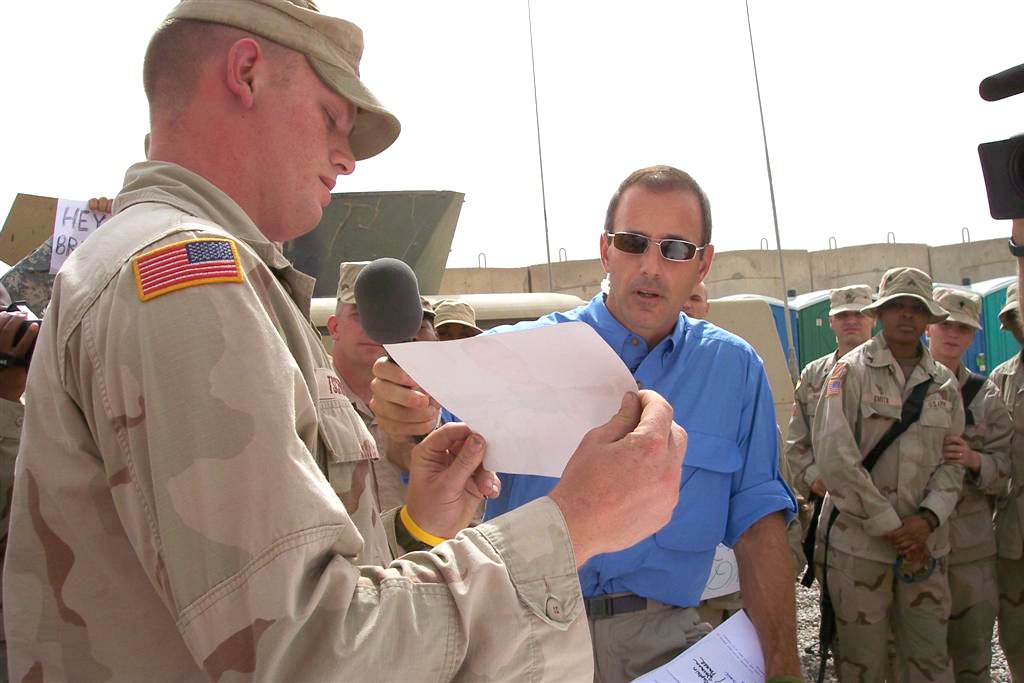
A Blur Turns to Pain (Image Credits: Upload.wikimedia.org)
Sochi, Russia — A night of celebration during the 2014 Winter Olympics allegedly spiraled into trauma for NBC producer Brooke Nevils, an experience she recounts in her forthcoming memoir that challenges common perceptions of sexual assault.[1][2]
A Blur Turns to Pain
Nevils worked as a talent assistant for NBC at the Sochi Games. She joined her boss, Meredith Vieira, for drinks to mark Vieira’s historic prime-time Olympic coverage. Matt Lauer, the longtime Today Show anchor, soon arrived at their table.[1]
Vodka shots flowed as the evening progressed. Nevils later described entering Lauer’s hotel room amid the haze. The next morning brought undeniable physical agony and bloodied sheets and underwear. Pain made every movement difficult, yet she dismissed it initially as a misunderstanding to preserve her world.[2]
Surveillance concerns in Russia and Lauer’s stature silenced any immediate outcry. NBC monitored devices closely. Nevils hid the evidence and carried on with work, exchanging casual emails with Lauer despite her turmoil.[1]
Attempts to Reclaim Normalcy
Back in New York, Nevils sought to smooth tensions. Lauer invited her to his apartment under a work pretext. He offered vodka again and led her to a dressing room filled with suits. Towels appeared, referenced to the prior incident.[1]
Further encounters followed, some initiated by Nevils in a bid for control. Lauer reportedly called the acts transgressive. She grappled with shame, feeling trapped by power dynamics and career fears. These steps only deepened her isolation.[2]
Workplace interactions persisted amid the secrecy. Nevils shared sanitized versions with colleagues but never framed it as assault. The pattern highlighted her internal conflict.[3]
The 2017 Reckoning
MeToo gained momentum in late 2017. Nevils filed a confidential HR complaint at NBC. Within 24 hours, Lauer lost his job, the network’s top morning anchor with a massive contract.[3]
Media scrutiny exposed her identity quickly. Other allegations against Lauer emerged. He denied nonconsensual acts, describing encounters as consensual in past statements. Nevils took leave as a prime-time producer.[2]
Trauma’s Long Echo
Departure from NBC came in 2018. Mental health deteriorated into compulsive drinking, paranoia, and depression. Nevils entered a psychiatric ward, convinced she had ruined lives.[2]
Rebuilding followed painstakingly. Today, she lives in Maryland as a married mother of two. Family life offers solace, though she fears her children’s future reactions to her story.[3]
The memoir, Unspeakable Things: Silence, Shame, and the Stories We Choose to Believe, arrives February 3 from Viking. It draws on expert interviews to dissect consent, power, and trauma myths.[3]
Redefining Victim Narratives
Nevils confronts stereotypes head-on. Victims often return to abusers or stay silent due to shame and uncertainty.
- No screams or fights do not mean consent.
- Power imbalances distort reactions.
- Trauma lingers unpredictably, fueling self-blame.
- Reporting brings unknown fallout, more terrifying than endured abuse.
- Messy stories reflect reality, not exceptions.
Her account, once relayed by Ronan Farrow, now stands in her voice. It urges broader understanding beyond ideal victim tropes.[1]
Key Takeaways
- Sexual assault defies simple narratives; shame often enforces silence.
- Returning to an abuser seeks control amid terror of consequences.
- MeToo exposed gaps in how we view trauma and power.
Nevils’ journey from Sochi confusion to public reckoning underscores enduring assault impacts. Her book promises to reshape conversations on belief and healing. What aspects of these stories resonate most with you? Share in the comments.