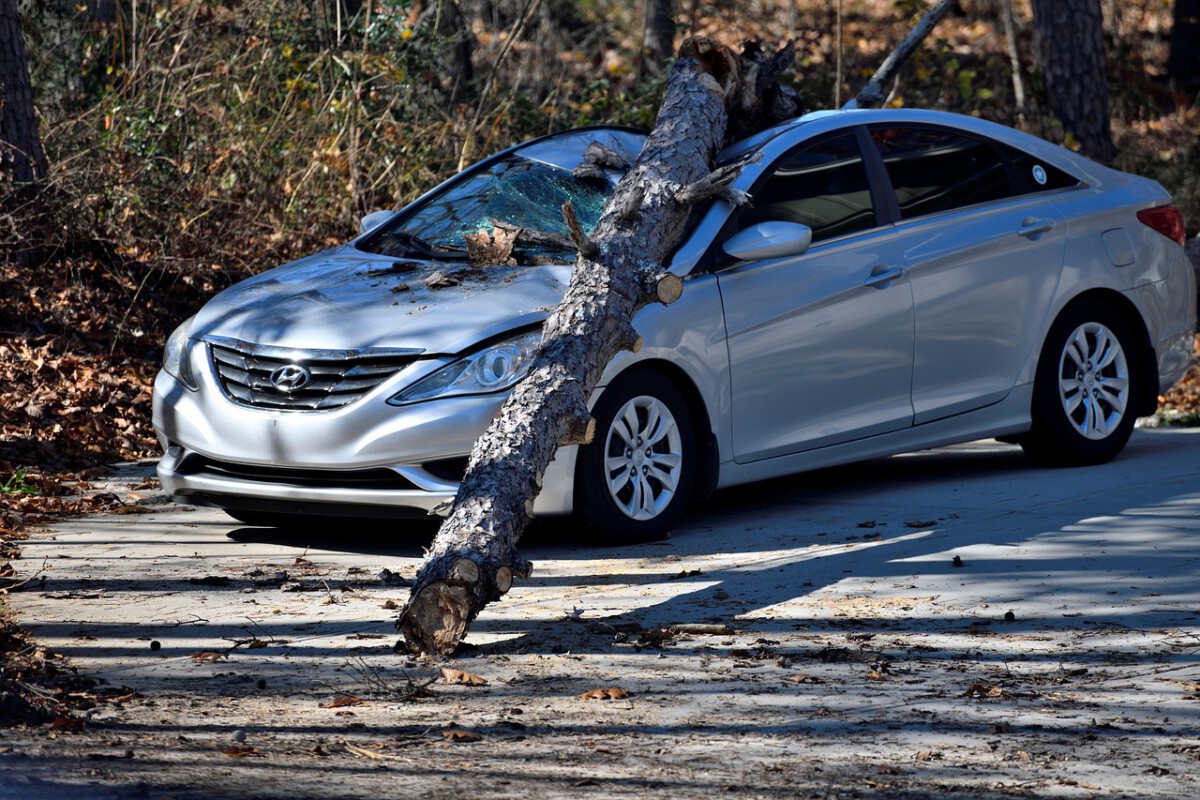


The Deadly Incident Unfolds (Image Credits: Pixabay)
San Diego – A powerful atmospheric river battered the region with relentless winds and rain, turning a routine morning into tragedy for one local resident.
The Deadly Incident Unfolds
Emergency responders rushed to the City Heights neighborhood on Wednesday morning after reports of a tree crashing down amid gusts reaching 40 miles per hour. The fallen tree struck a man walking nearby, resulting in his death at the scene. Authorities from the San Diego Police Department confirmed the incident as the third fatality connected to the ongoing storm system that has disrupted holiday plans across Southern California.
Details emerged quickly as investigators pieced together the sequence of events. The victim, whose identity was not immediately released pending family notification, had no chance to evade the sudden collapse. High winds, a hallmark of the atmospheric river fueling the storm, uprooted the tree from saturated soil weakened by prior rains. This event highlighted the unpredictable dangers posed by nature during extreme weather.
Storm’s Wider Path of Destruction
The atmospheric river arrived with fury, dumping months’ worth of precipitation in mere days and triggering a cascade of hazards. Urban flooding swamped streets in Los Angeles and Orange counties, while debris flows threatened burn scar areas from recent wildfires. Power outages affected thousands, and travel disruptions grounded flights and closed major roadways.
Earlier in the storm’s rampage, two other deaths occurred, underscoring the escalating toll. One involved a vehicle swept away by floodwaters in Riverside County, and another stemmed from a mudslide in San Bernardino. Rescue teams worked around the clock, pulling drivers from rising creeks and evacuating residents from low-lying zones. The National Weather Service issued repeated warnings about flash floods and high surf along the coast.
Governor’s Response and Statewide Alert
Governor Gavin Newsom acted swiftly by proclaiming a state of emergency for six counties, including San Diego, Los Angeles, and Riverside. This declaration unlocked additional resources for local agencies overwhelmed by the crisis. Pre-positioned teams from Caltrans cleared fallen debris from highways like the I-5 and I-10, where landslides posed ongoing threats.
Evacuation orders went into effect in vulnerable spots, such as canyons near recent fire zones like the Palisades and Eaton burn areas. Firefighters and emergency personnel urged residents to avoid travel unless absolutely necessary. The state coordinated with federal partners to monitor river levels, which swelled rapidly from the deluge. These measures aimed to prevent further loss amid forecasts of continued heavy rain through the weekend.
Hazards Lingering in the Aftermath
As the storm persisted into Thursday, meteorologists predicted more downpours that could exacerbate mudslides and debris flows. Winds remained a primary concern, capable of toppling weakened structures and power lines. Coastal regions faced battering waves, eroding beaches and closing parks.
- Flooding risks in urban areas, with some spots receiving over 11 inches of rain.
- Debris flows in wildfire-scarred hillsides, potentially burying roads and homes.
- Wind gusts up to 50 mph, downing trees and causing widespread outages.
- Travel delays on major interstates, including closures on the 101 Freeway.
- High surf advisories, with waves exceeding 15 feet along the shore.
Officials emphasized preparation, advising people to secure outdoor items and seek higher ground if flooding loomed. Community centers opened as shelters for those displaced. The combination of saturated ground and unrelenting moisture created a “dangerous scenario,” as described by weather experts tracking the system.
Key Takeaways
- The storm has caused at least three deaths, with trees and floods as leading dangers.
- A state of emergency enables faster aid distribution to affected counties.
- Residents should monitor local alerts and avoid flooded roads to stay safe.
This holiday storm serves as a stark reminder of Southern California’s vulnerability to extreme weather amplified by climate patterns. As cleanup begins, communities rally to support one another, but vigilance remains essential with more rain on the horizon. What steps are you taking to prepare for severe weather? Share your thoughts in the comments below.