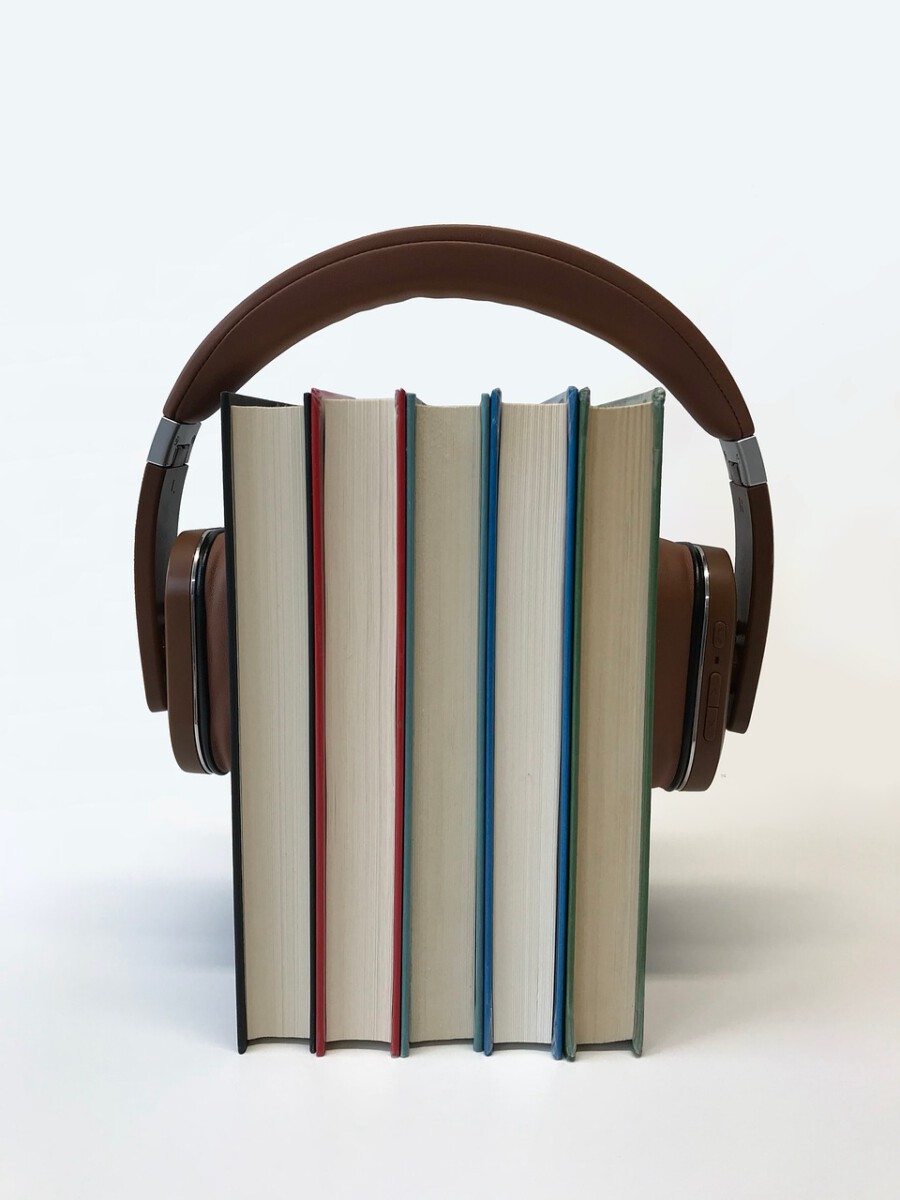
Premium Users Gain Print Access This Spring (Image Credits: Pixabay)
Spotify revealed plans Thursday to sell physical books directly through its app, marking a significant step in its audiobook evolution.
Premium Users Gain Print Access This Spring
Spotify’s audiobook catalog has grown rapidly since its 2022 launch, now boasting over 500,000 English-language titles across 22 markets.[1][2] New listeners increased by 36 percent, while listening hours rose 37 percent. The company now targets print enthusiasts among its 281 million premium subscribers.
Beginning later this spring, U.S. and U.K. premium users could purchase hardcovers and paperbacks right from the app. This feature emerged amid sluggish physical book sales, as readers shifted toward e-books and online sources.[3] Spotify positioned the move as a way to create a unified platform for book discovery in any format.
Page Match Bridges Reading and Listening
Audiobook fans often switch between formats, and Spotify addressed this with Page Match. Users scanned a page from a physical book or e-book using the app’s camera to jump instantly to the matching audiobook spot.[2][3] The tool worked in reverse too, showing audiobook listeners the corresponding print page.
This innovation promised smoother transitions for multitaskers, whether commuting or relaxing at home. Owen Smith, Spotify’s Global Head of Audiobooks, stated, “We believe the future of reading or listening needs to be flexible and fit more seamlessly into people’s lives.”[4] Such features aimed to deepen engagement and rival platforms like Amazon’s Kindle and Audible.
Partnership Powers Indie Bookstore Support
Spotify teamed up with Bookshop.org, an online marketplace backing independent bookstores. Every app purchase funneled proceeds to local shops, with Bookshop.org managing inventory, pricing, and shipping.[2][5] Spotify earned an affiliate fee per sale.
Andy Hunter, Bookshop.org’s Founder and CEO, noted, “We are excited to see the impact Spotify’s scale will have for local bookstores.”[5] The alliance avoided direct competition with giants like Amazon or Barnes & Noble while bolstering smaller retailers. Physical books still dominated trade publishing revenue at nearly 73 percent last year.[5]
Audiobook Enhancements Roll Out Wider
Besides print sales, Spotify extended Audiobook Recaps to Android users this spring. The AI-generated summaries refreshed memories based on the last listening point, aiding those resuming after breaks.[2]
- Scan pages for instant audiobook sync via Page Match.
- Purchase print copies supporting local indie shops.
- Access recaps on both iOS and Android.
- Explore over 500,000 audiobook titles.
- Seamless format switching for flexible reading.
Key Takeaways:
- Spotify’s print sales launch targets U.S. and U.K. premium users via Bookshop.org.
- New tools like Page Match enhance hybrid reading experiences.
- The push supports indie bookstores amid digital shifts.
Spotify’s venture into physical books transformed it from a streaming service into a comprehensive book destination. As users blended audio discovery with tangible ownership, the platform stood poised to reshape how people engaged with stories. What format do you prefer for your next read? Share in the comments.