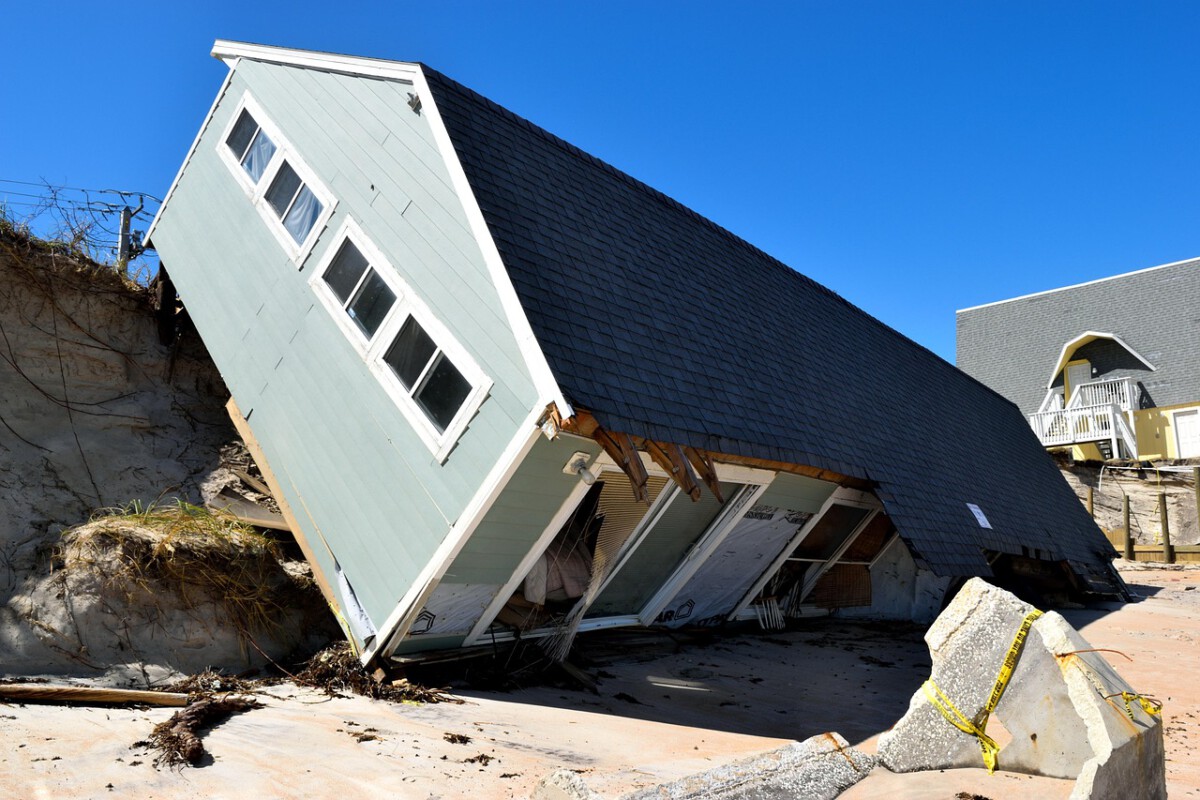


The Unthinkable Surge in Lives Lost (Image Credits: Pixabay)
Sri Lanka – In the wake of swirling winds and torrential downpours that turned streets into rivers, families sift through the ruins, holding onto fragile hopes amid the widespread devastation.
The Unthinkable Surge in Lives Lost
Imagine a storm so fierce it swallows entire villages overnight. That’s the reality Cyclone Ditwah delivered to Sri Lanka, pushing the death toll to a staggering 355 as of the latest reports. Officials had braced for heavy rains, but no one anticipated the landslides and floods that claimed so many so quickly.
Early warnings came too late for some, with remote areas cut off by rising waters. Now, search teams comb through debris, uncovering heartbreaking stories of lost loved ones. The numbers keep climbing, a grim reminder of nature’s raw power.
Yet, amid the sorrow, survivors share tales of narrow escapes, fueling determination to rebuild.
Hardest-Hit Regions Face Ruin
The central highlands bore the brunt, where steep slopes gave way under the onslaught. Places like Kandy and Badulla saw dozens perish in mudslides alone, turning lush tea plantations into burial grounds. Floodwaters surged through Colombo’s low-lying neighborhoods, trapping families in their homes.
Over 366 people remain missing, with rivers swollen beyond recognition. Schools and roads lie in tatters, disrupting daily life for hundreds of thousands. It’s a patchwork of destruction, from coastal towns battered by winds to inland spots buried in silt.
Rescue Operations Push Through Chaos
From dawn till dusk, boats and helicopters slice through the murk, pulling people from rooftops and collapsed buildings. The military leads the charge, coordinating with local volunteers who know every backroad. Thousands have been evacuated to makeshift shelters, but the scale tests even the most prepared teams.
Power outages and communication blackouts slow progress, yet stories of heroism emerge daily. One rescuer pulled a child from a submerged car just in time, a spark of light in the darkness.
Economic Ripples from the Storm
Sri Lanka’s already fragile economy takes another hit, with damages estimated in the billions. Tourism hotspots, vital for jobs, now greet visitors with boarded-up shops and eroded beaches. Farmers watch crops rot in flooded fields, threatening food supplies for months.
The storm disrupted flights and trains, stranding travelers and halting trade. Rebuilding roads and bridges will demand massive funds, straining national resources. Still, experts point to resilient communities that have bounced back from past disasters.
Government officials urge unity, promising aid packages to kickstart recovery.
Global Support Steps Up
Nations near and far extend hands, with India leading relief efforts through shipments of essentials. The UN warns of a humanitarian crisis, calling for swift international funding. China and Japan also pledge resources, recognizing Sri Lanka’s strategic ties.
Local NGOs distribute food and water, while volunteers from unaffected areas drive in supplies. This outpouring shows how disasters forge bonds beyond borders.
Looking Ahead: Rebuilding Stronger
As waters recede, questions swirl about better preparedness. Climate experts link the cyclone’s intensity to warming oceans, urging investments in early warning systems. Communities rally, planting seeds of hope in the mud.
The path forward demands collective resolve, turning tragedy into a catalyst for change.
| Timeline | Death Toll | Missing |
|---|---|---|
| Nov 28 | 56 | 21 |
| Nov 29 | 153 | 191 |
| Nov 30 | 334 | 370 |
| Dec 1 | 355 | 366 |
Key Takeaways
- Over 1 million people affected, with 44,000 displaced.
- Focus on central regions like Kandy and Colombo for urgent aid.
- International cooperation could speed up recovery efforts.
In the end, Cyclone Ditwah’s scars will fade, but the lessons etched in Sri Lanka’s soil call for action against future storms. What steps do you think could prevent such heartbreak next time? Share your thoughts in the comments.