Savor’s Radical Approach to Making Fats (Image Credits: Pixabay)
Savor, a biotechnology firm, has unveiled a new division dedicated to supplying the beauty industry with lipids produced directly from carbon sources, bypassing traditional agriculture.
Savor’s Radical Approach to Making Fats
Savor upended conventional fat production by converting captured carbon dioxide, methane, or green hydrogen into fatty acids through a precise thermochemical reaction.
This method echoed the natural processes at ancient ocean hydrothermal vents, where hydrogen and carbon dioxide first formed fatty acids billions of years ago.Origins of life research supports this parallel.
Unlike plant oils or animal derivatives, Savor’s ingredients required no farmland, livestock, or deforestation-prone crops like palm.
The company first demonstrated the technology with butter, which entered commercial production in March 2025 and gained traction among high-end restaurants such as Michelin-starred SingleThread in Healdsburg, California, and Jane the Bakery in San Francisco.Butter launch details
Why Beauty Brands Are Taking Notice
The beauty sector relied heavily on palm oil and tropical fats, which fueled deforestation and biodiversity loss in some of the planet’s most vital ecosystems.
Savor’s CEO, Kathleen Alexander, highlighted the overlap between food and beauty challenges. “Two of the main pillars associated with our platform are sustainability and versatility,” she stated.
Brands adopting these lipids could slash product emissions by over 90% compared to coconut or palm oils.
Agriculture overall consumed half of the world’s habitable land and generated 25% to 30% of global greenhouse gases, according to reports.World Economic Forum data
Savor’s process demanded 800 times less land, positioning it as a timely solution amid new regulations like changes to the GHG Protocol that mandated land-use accounting.GHG Protocol update
Three Ingredients Poised to Reshape Formulations
Savor debuted three tailored products to showcase its capabilities in personal care.
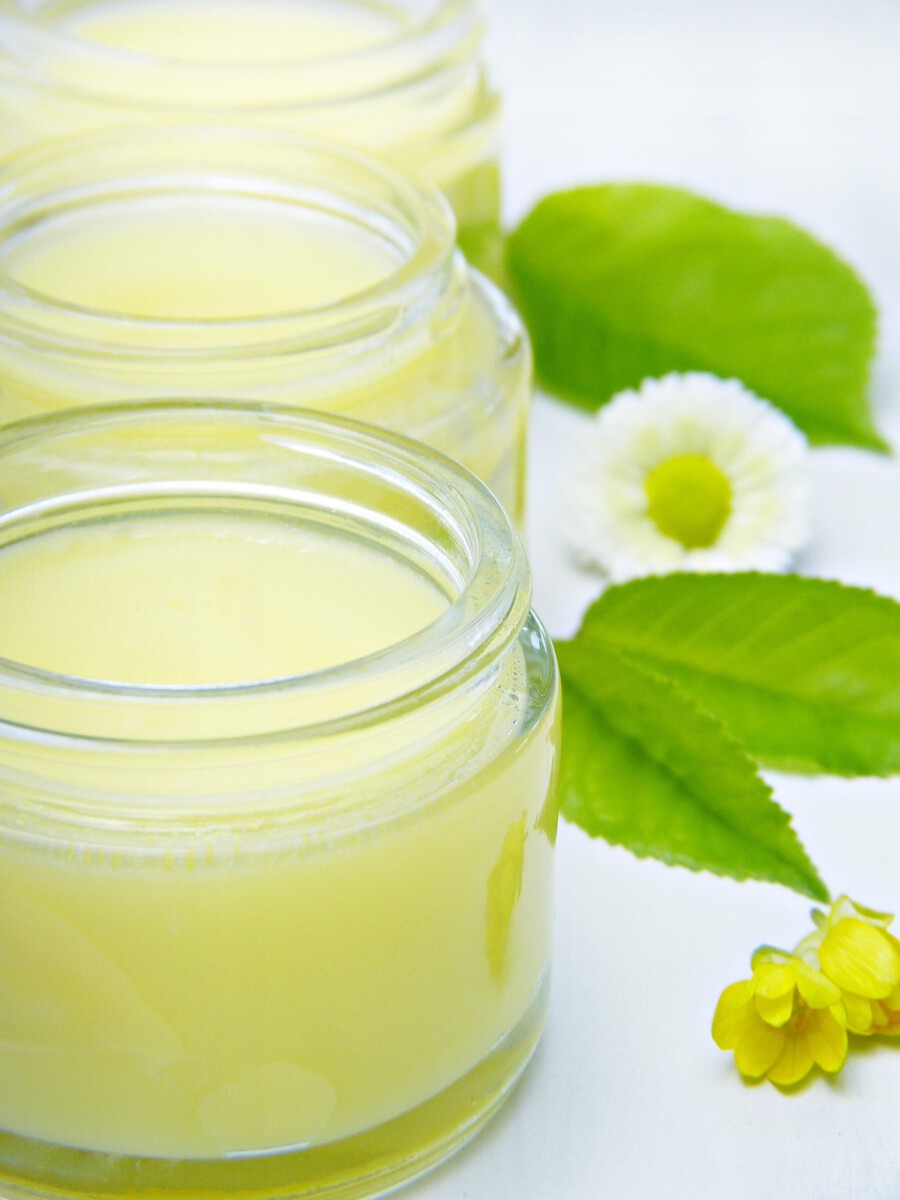
Vegan Tallow offered a colorless, odorless stand-in for beef tallow, popular in recent skincare trends, with stronger demand emerging from beauty than food sectors.
| Ingredient | Purpose | Key Benefit |
|---|---|---|
| Vegan Tallow | Moisturizer | Replaces animal fat |
| Climate Conscious Triglycerides | Emollient | Palm-free |
| Mimetic | Skin barrier repair | Mimics natural structure |
Climate Conscious Triglycerides served as a sustainable emollient, while Mimetic replicated the skin’s barrier for nourishment and repair.
As a B2B supplier, Savor planned to partner with brands, distributors, and formulators rather than sell consumer products directly.
Backing and Buildout Ahead
Founded in 2022, Savor secured $33 million in funding, including a Series A round in 2024 led by Synthesis Capital and Bill Gates’s Breakthrough Energy.
The company operated a 25,000-square-foot pilot facility near Chicago, with a full-scale commercial plant targeted for 2029.
Biotech advisor Jennifer Halliday, collaborating with Savor, described the process vividly: “Technically we’re making beautiful ingredients from thin air.”Butter innovation coverage
Alexander envisioned broader implications. “What we’re doing at Savor is rethinking, what if humans could make molecules ourselves?”
- Savor’s lipids cut land use by 800 times and emissions by over 90% versus traditional sources.
- The tech mimics primordial chemistry, turning waste carbon into versatile fats.
- Beauty partnerships are underway, driven by regulatory and supply chain pressures.
Savor’s entry into beauty signaled a pivot from extractive practices toward self-sufficient molecular manufacturing, potentially reshaping supply chains amid climate volatility. What changes would you welcome in your skincare routine? Share in the comments.