

In 2024, 43% of adults say they feel more anxious than they did the previous year, up from 37% in 2023 and 32% in 2022. There’s something deeply exhausting about the constant rush, isn’t there? We’re sprinting through life, terrified we’ll miss out on opportunities, relationships, or success if we slow down for even a moment. Yet here’s the thing: the very act of rushing might be what’s keeping us from what we truly need.
From 1990 to 2021, the global incidence of anxiety disorders among those aged 10-24 years increased by 52%, particularly in the 10-14 age group and post-2019. The numbers don’t lie. We’re living in a time where anxiety about the future has become almost normalized, where every decision feels urgent, and every delay feels like failure. What if I told you there’s another way? What if the opportunities meant for you won’t pass you by simply because you took time to breathe?
You Stop Forcing Connections That Feel Like Work

Let’s be real here. How much energy have you wasted trying to fit into spaces where you were barely welcome? Humans are naturally wired to seek stability and familiarity, even if those familiar patterns are unhealthy or no longer beneficial. We chase relationships, friendships, and professional connections that require constant effort just to maintain, convincing ourselves that persistence equals commitment. It doesn’t.
When something is meant for you, it flows. Not effortlessly, mind you, because nothing worthwhile comes without some work. There’s a difference though between healthy effort and exhausting force. Letting go creates space for better opportunities. That job you’re desperately clinging to despite feeling undervalued? That friendship where you’re always the one reaching out? These are signs you’re forcing something that isn’t aligned with your path.
Patience was positively correlated with the Big-Five and life satisfaction, and negatively correlated with depression, anxiety. Research from Iranian students showed exactly this connection between patience and mental wellbeing. When you stop rushing to make things happen and trust timing instead, your mental health improves. You’re not constantly on edge, wondering if you’ve missed your shot.
I’ve watched people hold onto relationships years past their expiration date, terrified that letting go meant admitting defeat. The reality? What’s meant for you won’t require you to twist yourself into unrecognizable shapes just to belong. If a door closes despite your best efforts, maybe it was never your door to begin with.
You Feel Peace Instead Of Panic When Things Don’t Go According To Plan

Trust isn’t just a pleasant emotion, it’s a powerful psychological resource. When you cultivate it throughout life, it may contribute to both emotional resilience and longevity. Notice how some people seem to roll with life’s punches while others spiral at the smallest deviation from their plans? That difference often comes down to trust in timing.
The shift happens gradually. You miss a flight and instead of catastrophizing, you find yourself oddly calm. A job opportunity falls through, and rather than feeling crushed, you’re curious about what might come next. Participants in a patience training study reported feeling more patient toward the trying people in their lives, feeling less depressed, and experiencing higher levels of positive emotions. This isn’t about being passive or giving up ambition. It’s about developing trust that your path will unfold as it should.
In order to get better at letting go, we can learn to cultivate a mindset of acceptance, acknowledge the impermanent nature of life, and find more peace amid uncertainty. When you truly internalize that what’s meant for you won’t miss you, delays stop feeling like rejections. They start feeling like redirections. That relationship that ended wasn’t failure – it was clearing space for something better aligned.
Think about it. How many times have you looked back on a “disaster” only to realize it was actually saving you from something worse? Or setting you up for something better? The universe has a funny way of course-correcting, even when we’re convinced we know exactly where we should be heading.
You Invest Energy In Your Present Rather Than Anxiously Planning Every Future Step
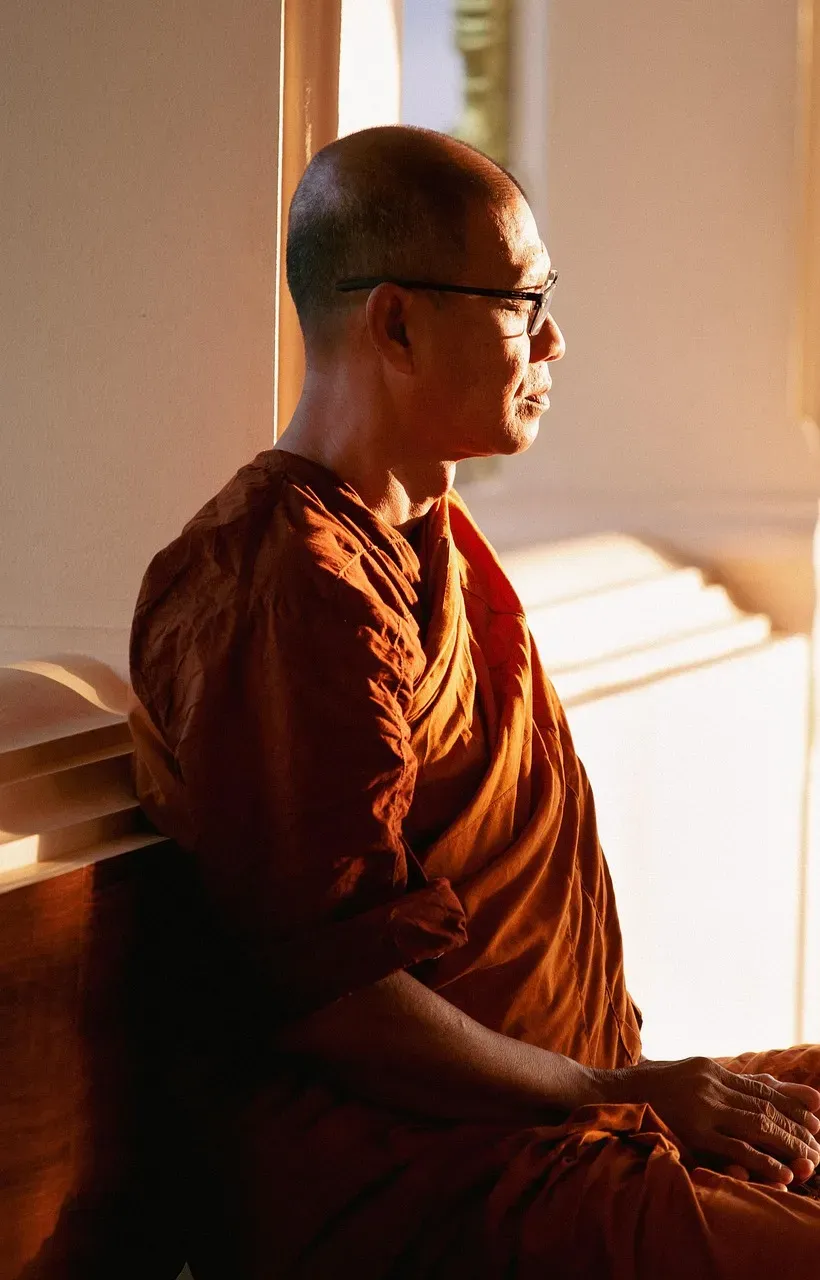
Letting go involves noticing where our mind is going, how it is drawn to certain painful thoughts, feelings or memories again and again and refocusing on the present moment. Here’s where the rubber meets the road. Most of us spend so much mental energy five steps ahead that we’re not actually living the life we have right now.
You know you’re trusting the process when you can focus on today’s tasks without spiraling into “but what about next year?” mode every fifteen minutes. Adults most commonly say stress (53%) and sleep (40%) have the biggest impact on their mental health. All that future-tripping isn’t planning – it’s anxiety wearing a productivity mask. When you stop rushing mentally through every possible scenario, you reclaim massive amounts of energy for what actually matters now.
The inability to let go relates to anxiety and dysphoria in independent samples of college students. Research consistently shows that people who struggle to release control over outcomes suffer more mental health challenges. They’re stuck in rumination, replaying scenarios, trying to force certainty in an inherently uncertain world.
The sign you’ve shifted? You start enjoying the journey instead of just fixating on destinations. That class you’re taking becomes interesting for what you’re learning now, not just for how it might look on a resume. That new friendship develops naturally instead of you calculating how it might benefit your network. You’re present. You’re engaged. You’re alive to the moment instead of mentally somewhere three months from now.
I think this is where real peace lives. Not in having everything figured out, but in trusting that you don’t need to have everything figured out. What’s meant for you will find you, even if the path looks nothing like what you planned. Maybe especially then.
Honestly, doesn’t that thought alone make you breathe a little easier? You don’t have to control every variable. You don’t have to force every door open. Letting go and watching life get better is an incredible way to build confidence in ourselves and the universe. Your only job is to show up authentically, do your best with what’s in front of you, and trust that if something is truly meant for your path, no amount of “wrong timing” will keep it from you. What’s yours won’t miss you – so you can finally stop running so hard to catch it.