
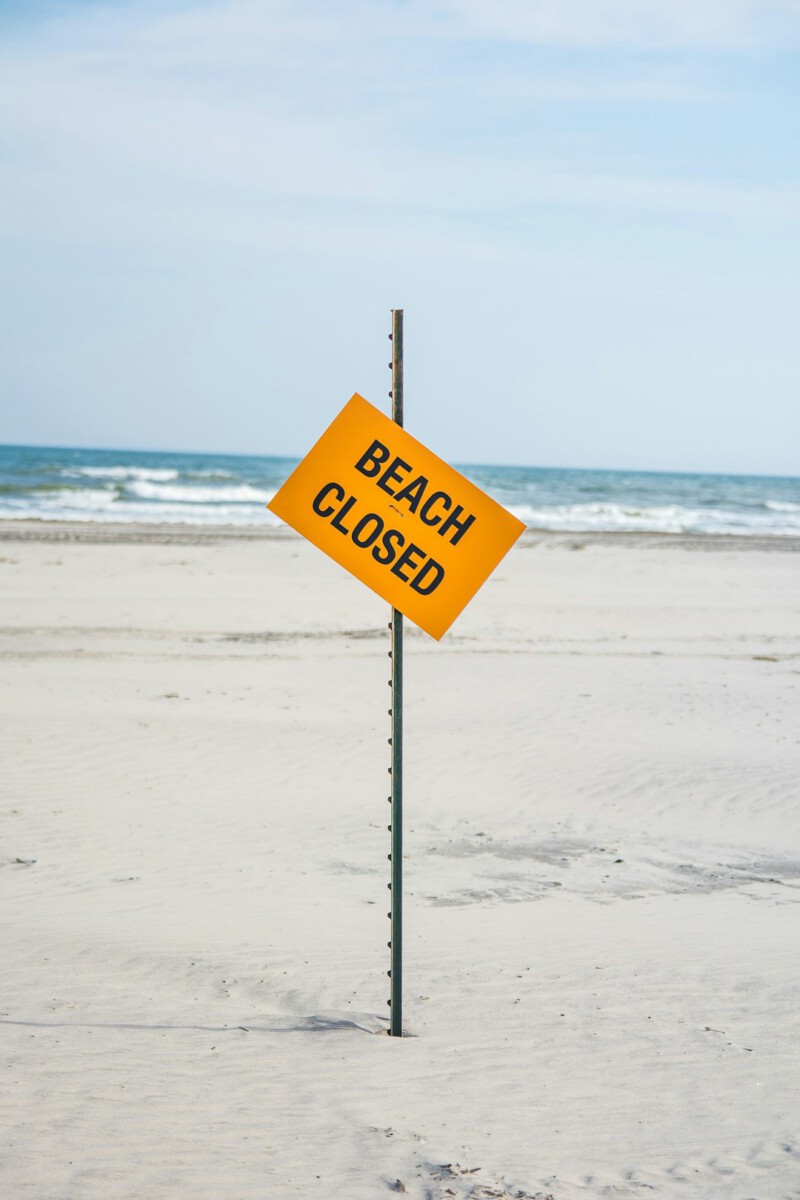


Winter Storm Leaves Lingering Hazards (Image Credits: Unsplash)
Los Angeles County – Recent heavy rains from a powerful winter storm have prompted health officials to issue a broad advisory, warning residents to steer clear of ocean waters at local beaches through early next week.
Winter Storm Leaves Lingering Hazards
The storm that swept through Southern California during New Year’s week dumped significant rainfall across the region, overwhelming storm drains and washing pollutants into coastal areas. Officials reported that the downpour, which began around December 24, 2025, led to elevated levels of bacteria in the ocean. This event echoed patterns seen in previous wet seasons, where urban runoff carried contaminants from streets and rivers directly to the shoreline.
By January 2, 2026, the Los Angeles County Department of Public Health had extended its ocean water quality rain advisory to cover every beach in the county. The measure addressed immediate risks from the prolonged wet weather, including a flood advisory that remained active until Thursday morning. Beach hazards statements also highlighted dangerous surf conditions persisting into the weekend, compounding the health concerns.
Understanding the Bacteria Risk After Rain
Rainfall in urban areas like Los Angeles accelerates the flow of untreated water through storm systems, picking up sewage, chemicals, and debris along the way. Health experts noted that bacteria such as enterococcus, a common indicator of fecal contamination, spike in these conditions, posing threats of gastrointestinal illness, skin infections, and respiratory issues to anyone entering the water. The advisory specifically targeted areas near discharging storm drains, creeks, and rivers, where concentrations proved highest.
Testing protocols kicked in shortly after the rains subsided, with samples collected to monitor bacterial levels. Officials emphasized that even seemingly calm waters could harbor invisible dangers for at least 72 hours post-rainfall. This precautionary approach aimed to protect swimmers, surfers, and waders from unnecessary exposure during the recovery period.
Full Coverage: No Beach Spared in the Advisory
The blanket advisory applied uniformly to all Los Angeles County beaches, from popular spots in Santa Monica to more remote stretches in Malibu and San Pedro. Public health announcements stressed avoidance of not just the surf but also wet sand and any standing water near the shore. Similar warnings extended to nearby bays, underscoring the widespread impact of the storm’s runoff.
Local media outlets, including the Los Angeles Times, amplified the message, reporting that the advisory would hold until at least 4 p.m. on Monday, January 5, 2026. Updates depended on further testing and weather patterns, with drier conditions expected to gradually improve water quality.
Safe Alternatives for Coastal Enjoyment
While ocean access remained off-limits, county officials encouraged alternative ways to enjoy the outdoors without health risks. Visitors could still stroll boardwalks, picnic on dry sand away from drainage points, or explore inland parks. Families planning New Year’s outings found solace in these options, maintaining the spirit of the season amid the disruptions.
To stay informed, residents checked the Los Angeles County Department of Public Health website for real-time updates on beach grades and advisories. The department recommended waiting for official all-clear signals before resuming water activities. In the meantime, simple precautions like handwashing after beach visits helped mitigate any residual exposure.
Here are some practical tips for navigating post-storm beach safety:
- Avoid all contact with ocean water, especially within 100 feet of storm drains or river mouths.
- Opt for dry activities like walking or sunbathing on higher, unaffected sand areas.
- Monitor weather forecasts to anticipate additional rain that could prolong advisories.
- Wash hands and any gear thoroughly if near runoff zones.
- Consult local health alerts before heading out, as conditions can change rapidly.
Key Takeaways
- Rain-driven runoff elevates bacteria levels, making ocean water unsafe for recreation until tested clear.
- The current advisory covers every LA County beach through January 5, 2026, prioritizing public health.
- Choosing land-based activities ensures enjoyment without the risks of contaminated waters.
As the storm’s effects fade, this advisory serves as a reminder of the delicate balance between enjoying California’s iconic coastline and safeguarding health in the face of environmental challenges. What steps will you take to stay safe during wet weather seasons? Share your thoughts in the comments.