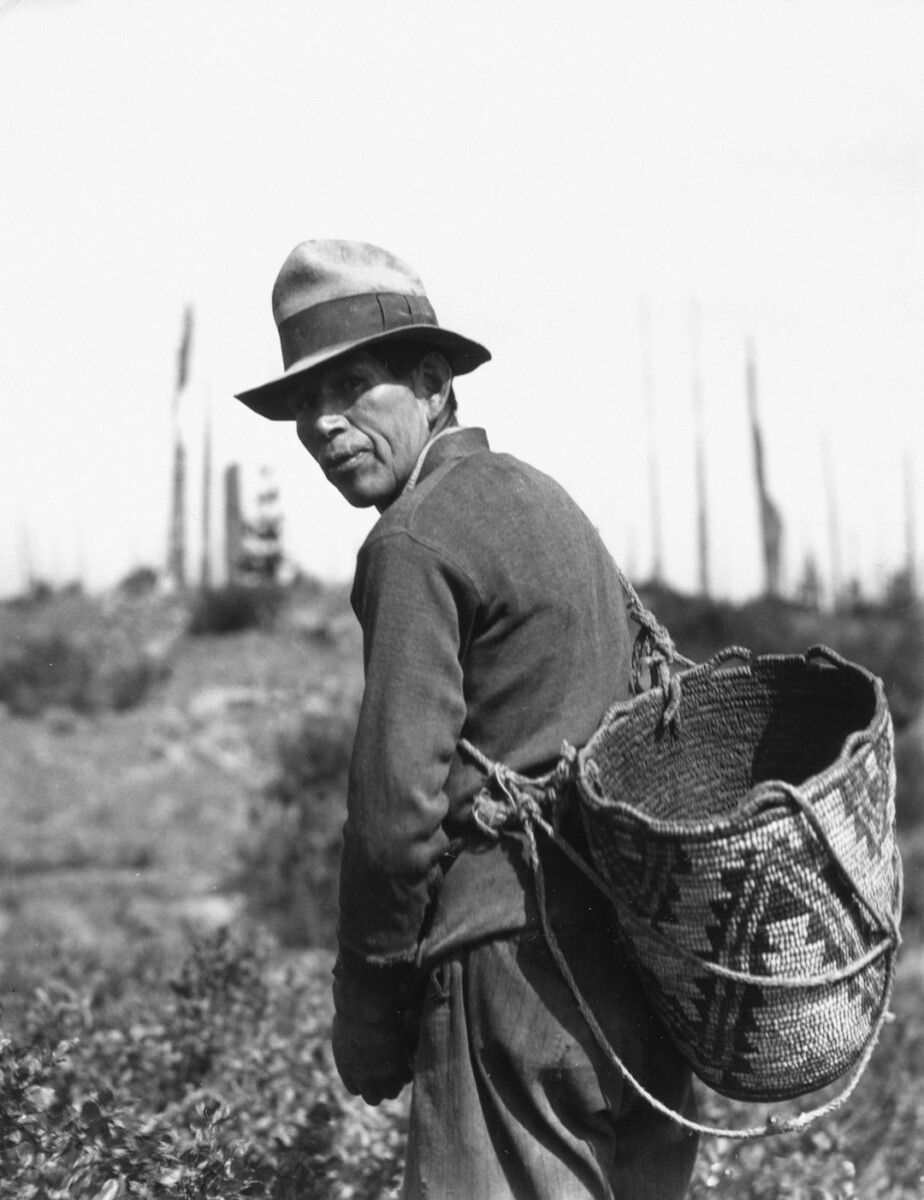


A Life Bent by Backbreaking Labor (Image Credits: Unsplash)
California’s vast fields stretch out under gray skies, where the earth turns to mud after relentless downpours, forcing workers to push through the chill and uncertainty.
A Life Bent by Backbreaking Labor
Imagine starting your day before dawn, your hands already calloused from years of picking fruits and vegetables under the scorching sun. That’s the reality for thousands of immigrant farmworkers in California, who harvest the food that ends up on our tables. These jobs demand endurance that few could sustain for long, yet they persist season after season.
The work isn’t just physically demanding; it shapes every aspect of their existence. Long hours in extreme weather leave little room for rest or recovery. Many come from far away, chasing the promise of stability, only to find the grind wears them down over time.
Recent reports highlight how this toil continues unabated, even as the state grapples with changing climates that bring more intense challenges.
When Hurricanes and Floods Hit Hard
Storms like the ones battering California don’t just soak the soil – they upend lives overnight. Flooded fields mean canceled shifts, and workers who rely on daily wages suddenly face empty pockets. In places like the Central Valley, heavy rains have turned orchards into swamps, delaying harvests and slashing incomes.
Take the aftermath of recent tropical systems; farmworkers wade through waterlogged rows, risking slips and strains just to salvage what they can. Homes in low-lying areas flood too, compounding the misery with damaged belongings and displaced families. It’s a double blow that hits the most vulnerable hardest.
Historical events, such as the storms in early 2023, showed how these disasters compound existing hardships, leaving communities scrambling for basic needs.
The Hidden Health Crisis in the Fields
Heat waves claim lives every summer, but storms add another layer of danger with cold, wet conditions that lead to illnesses like pneumonia. Despite regulations in place for over two decades, farmworkers still succumb to environmental hazards at alarming rates. The combination of exhaustion and exposure turns routine days into potential emergencies.
Many lack access to proper gear or breaks during bad weather, pushing their bodies to the limit. Chronic issues build up too – back pain, respiratory problems, and skin conditions from pesticides linger long after the shift ends.
Stories from the front lines reveal a workforce that’s resilient yet fraying, calling for stronger protections that actually reach those in the fields.
Families on the Edge of Uncertainty
For these workers, every lost day from a storm means tough choices at home. Rent goes unpaid, kids’ school supplies sit forgotten, and meals become simpler. Migrant families often live in crowded conditions, making recovery from floods even more daunting.
Immigrant status adds barriers; many fear seeking aid due to deportation worries. Programs exist, but navigating them feels like another full-time job amid the chaos.
Yet, their contributions keep California’s agriculture thriving, producing billions in crops annually despite the odds stacked against them.
Overlooked Voices and Systemic Gaps
Farmworkers’ pleas for better conditions often echo unheard in policy rooms. Unions like the United Farm Workers amplify their stories, from rainy-day delays in Sonoma County to pesticide exposures in Salinas. Social media posts capture raw moments, like ankle-deep mud in strawberry patches, underscoring the urgency.
Government aid after disasters rarely trickles down fully to this group. Undocumented individuals miss out on federal relief, widening the inequality gap. It’s a reminder that the backbone of the industry deserves more than seasonal sympathy.
- Extended unpaid days during floods disrupt family budgets.
- Limited access to health services for weather-related injuries.
- Pressure to work in unsafe conditions to meet quotas.
- Challenges in securing housing resilient to storms.
- Ongoing advocacy for expanded worker protections.
Toward a Fairer Harvest
Change starts with listening to those in the fields and enforcing rules that safeguard their well-being. Investments in better infrastructure, like drainage systems and emergency funds tailored for farmworkers, could ease the storm’s sting. Community efforts, from local aid drives to policy pushes, show promise in bridging the gaps.
Still, the path forward requires collective will to value the hands that feed us. As climate events intensify, ignoring this workforce isn’t an option – it’s a failure.
Key Takeaways
- Farmworkers face immediate job losses and safety risks from storms, amplifying daily hardships.
- Health protections lag, with heat and flood-related illnesses persisting unchecked.
- Targeted support, including inclusive aid programs, is essential for long-term resilience.
In the end, the true cost of California’s bounty lies not in the fields, but in the lives sustaining it – lives that deserve dignity amid the tempests. What steps do you think could make a real difference for these workers? Share your thoughts in the comments.